


Industrial power tariffs: PALSP urges govt to end structural anomaly
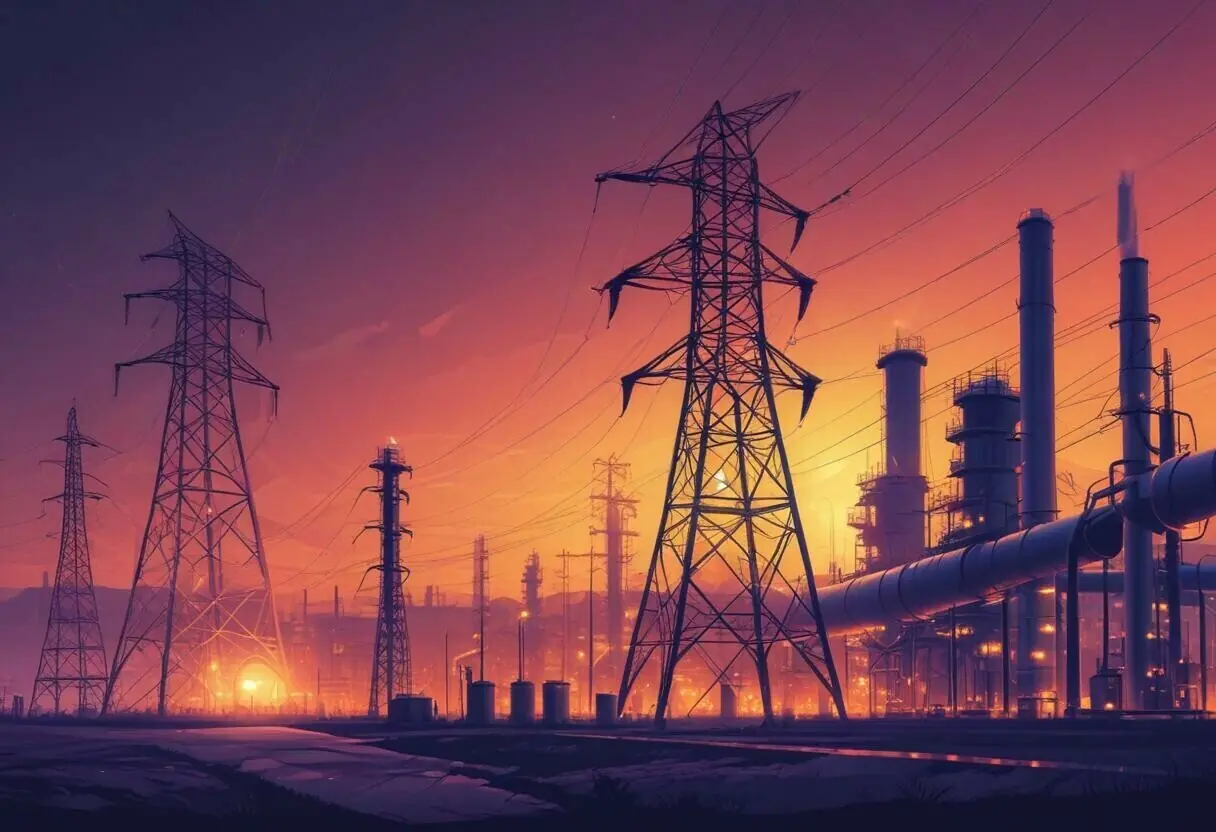
ISLAMABAD: The Pakistan Association of Large Steel Producers (PALSP) has urged the government to eliminate the long-standing structural anomaly in industrial electricity tariffs that threatens the survival of the country’s manufacturing sector, especially the steel industry.
Electricity serves as the second most critical raw material in steelmaking, accounting for a massive 20 percent of total production costs. As a highly energy-intensive sector consuming between 3 and 7 billion kWh of power annually, the steel industry is the primary victim of this flawed policy. Uncompetitive power pricing directly erodes the steel industry’s viability and halts essential industrial output.
According to PALSP, B3 and B4 high-voltage industrial consumers are currently paying approximately Rs 4 per kWh above their actual cost of service. This severe tariff distortion directly penalizes industrial efficiency, burdening Pakistan’s manufacturing sector with an unjustified annual financial load to the tune of billions of rupees.
READ MORE: PALSP team informs Aurangzeb: Tariff cut will result in closure of steel industry
The current framework is technically and economically flawed because B3 (11 kV) and B4 (132 kV) consumers draw bulk power directly from the high-voltage grid and maintain their own internal infrastructure, completely relieving utilities of low-voltage distribution costs. Despite reducing the grid’s financial load, they face a pricing penalty.
Although B3 and B4 categories represent just 1.2 percent of industrial connections, they consume 62 percent of industrial electricity. By penalizing this vital segment, the tariff severely harms domestic competitiveness. The PALSP strongly urged the government to restore equity by swiftly implementing a genuine cost-of-service framework to protect domestic manufacturing from collapse.
Copyright Business Recorder, 2026












Comments