


Mainland China, Hong Kong stocks slip as property shares drag
- The benchmark Shanghai Composite index fell 1%, while the blue-chip CSI300 index eased 0.8%
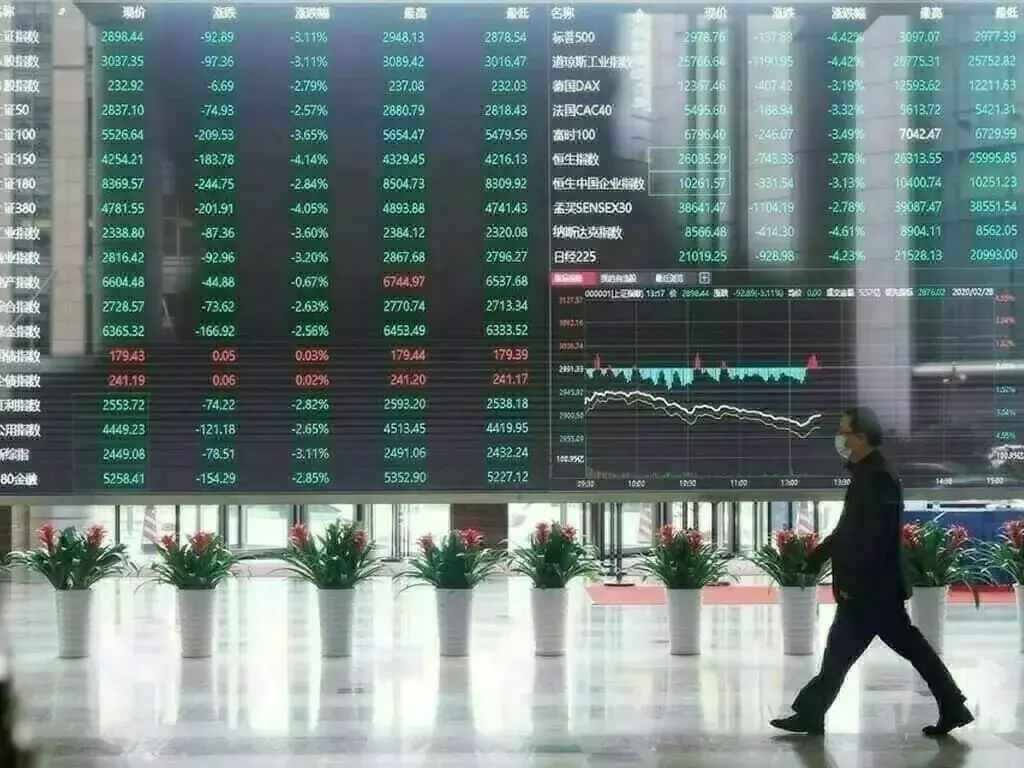
SHANGHAI: Mainland China and Hong Kong stocks slipped on Tuesday, led by property companies, as investors awaited guidance from minutes of the US Federal Reserve’s latest meeting and fresh domestic economic data.
By the midday break, the benchmark Shanghai Composite index fell 1%, while the blue-chip CSI300 index eased 0.8%.
In Hong Kong, the benchmark Hang Seng Index lost 0.4% and the city’s tech shares edged down 0.3%.
Property shares were the main drag in morning trading, with a sub-index tracking the sector declining 3.1%.
The World Bank projected China’s economic growth would ease to 4.4% in 2026 and to 4.3% in 2027 as the property sector continues to adjust to lower housing demand and consumers remain cautious.
Investors are awaiting a string of domestic economic data due for release in the coming week, hoping for a clearer picture of the broader economy.
China is due to report June inflation data on Thursday, followed by second-quarter gross domestic product (GDP) figures and other activity indicators next Wednesday.
“While high-frequency activity indicators likely stayed soft in June, we expect Q2 GDP growth to prove more resilient than monthly data may suggest, supported by its supply-side nature, as well as likely solid services consumption and tech capex during the period,” said Serena Zhou, senior China strategist at Mizuho Securities.
“We therefore expect Beijing’s policy support to remain measured and targeted, with the policy mix skewed toward fiscal measures.”
In overseas markets, focus is on minutes of the Federal Open Market Committee’s (FOMC) June meeting on Wednesday for clues about the US rate outlook.
Beijing and Hong Kong authorities announced a range of measures to bolster currency, bond and gold trading in Hong Kong, stepping up efforts to establish the city as a leading offshore yuan centre amid heightened geopolitical tensions.
Investor thinking on Chinese assets is changing, as steady returns through the turbulence of the Iran war and AI frenzy show how China has broken step with global markets, carving out a niche as a sandbag against volatility.


















Comments