


A preventable tragedy
A tragic fiery crash on the Islamabad-Murree Expressway killed 10, including five children, highlighting critical failures in road safety, vehicle standards, and traffic management in Pakistan.
- Vehicle safety failures and jammed doors in accidents.
- Prevalence and dangers of vehicle overloading.
- Road design and traffic management deficiencies.
- Urgent need for rigorous vehicle inspections and policy reforms.
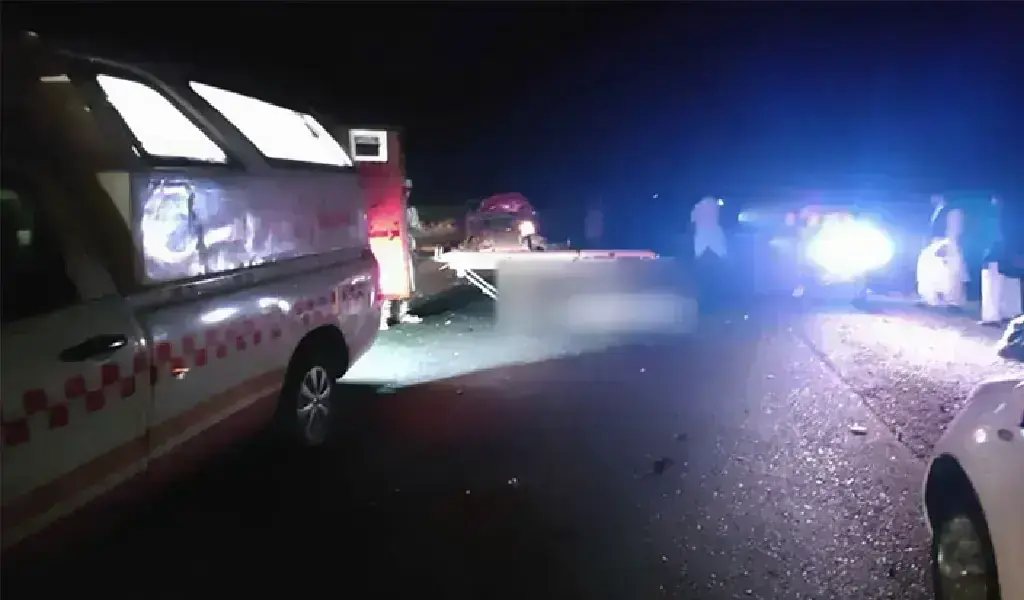
EDITORIAL: The horrific loss of at least 10 lives, including five children, in a fiery crash on the Islamabad-Murree Expressway is yet another grim reminder of the persistent shortcomings in road safety in Pakistan. The victims, members of the same family travelling from Multan to Murree for what was intended to be a joyful excursion, met a tragic end when their Hiace van veered off the road near Khajut, collided with a roadside wall, plunged into a nullah and burst into flames.
Beyond the immense grief and heartbreak suffered by the bereaved family, the tragedy raises serious questions about vehicle safety standards, road engineering, traffic management and emergency preparedness. Preliminary investigations indicate that the vehicle lost control while negotiating a sharp turn before crashing into a wall and catching fire. More disturbingly, the impact reportedly jammed the vehicle’s doors, trapping passengers inside as the flames spread. Such circumstances point to a catastrophic failure of safety mechanisms that should never occur in a passenger vehicle carrying dozens of people.
Equally concerning is the issue of overloading. Reports indicate that 23 people were travelling in the ill-fated wagon. While the exact circumstances remain subject to investigation, the widespread practice of carrying passengers beyond a vehicle’s safe capacity continues unabated on our roads. Overloaded vehicles are not only more vulnerable to accidents but also significantly reduce passengers’ chances of survival when emergencies come about.
Attention must also be directed towards conditions on the Murree Expressway. Last month, unusually heavy traffic was reported on the route after vehicles were diverted from Murree Road because of reconstruction work. Dense traffic, combined with sharp bends and mountainous terrain, demand heightened safety measures, stricter enforcement of speed limits, clearer warning signs and continuous monitoring by the relevant authorities. Any deficiencies in road design, maintenance or traffic management that may have contributed to the accident must be identified and rectified without delay.
The tragedy further underscores the need for a more rigorous vehicle inspection regime. Passenger vans operating on intercity routes should undergo regular and comprehensive safety checks covering doors, emergency exits, fuel systems and fire-safety equipment. Such precautions can mean the difference between life and death in critical situations. This heartbreaking incident must serve as a wake-up call for policymakers, transport regulators and highway authorities. Expressions of sympathy and monetary assistance for the victims’ families, while necessary, cannot substitute for meaningful preventive action. Unless decisive reforms are undertaken to strengthen road safety, enforce transport regulations and ensure safer vehicles and highways, we will continue to witness avoidable tragedies that leave families shattered and communities in mourning.
Copyright Business Recorder, 2026




















Comments