


South African rand weakens as hawkish Fed boosts dollar
- The rand traded at 16.50 against the dollar , about 0.3% down from its previous close
The South African rand weakened against a stronger dollar due to hawkish U.S. Federal Reserve signals, which dampened investor appetite for riskier assets and pushed U.S. interest rate expectations higher.
- U.S. Federal Reserve hawkish signals and market impact.
- Reasons for the dollar's rise to a one-year high.
- How expensive USD liquidity affects rand rallies.
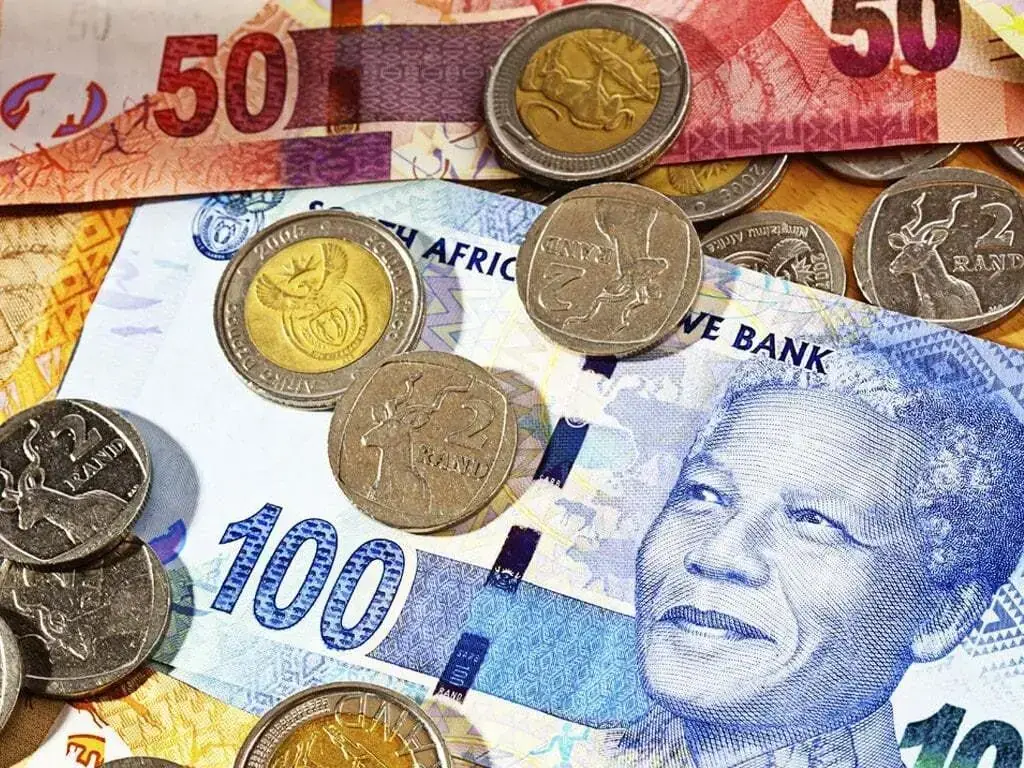

JOHANNESBURG: The South African rand weakened in early trade on Friday, pressured by a firmer dollar and hawkish signals from the US Federal Reserve that dampened appetite for riskier assets.
At 0613 GMT the rand traded at 16.50 against the dollar , about 0.3% down from its previous close.
The currency came under pressure as investors reassessed expectations for U.S. interest rates, with Fed officials signalling that borrowing costs may need to remain elevated for longer to curb inflation.
The greenback strengthened against a basket of currencies, rising to a one-year high.
Analysts have said that the USD’s advance reflects a sharp repricing of US rate risk rather than safe-haven demand.
“Upside surprises in payrolls and persistently low layoffs reinforced the view that the US economy can tolerate tighter policy, while cheaper Brent crude failed to offset higher short-term US yields. For South Africans, this keeps USD liquidity expensive and caps ZAR rallies,” said ETM Analytics in a note.
South Africa’s benchmark 2035 government bond was also weaker in early deals, as the yield rose 5 basis points to 8.32%.























Comments