




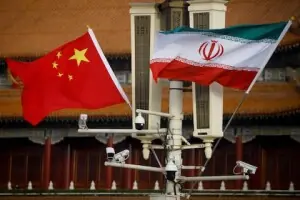
Optimism regarding the potential for a peace agreement between the United States and Iran has increased in the market, leading to a decline in the appeal of the US dollar as a safe haven asset on Friday.
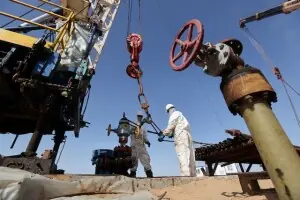
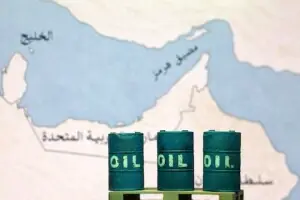
This anticipated resolution has resulted in a nearly unprecedented decrease in oil prices, which fell by 8.1 percent by the end of trading on the New York market, the most rapid decline since the onset of the conflict.
The future trajectory of these developments will heavily depend on the speed with which both parties can reach a consensus. An announcement within the week may further bolster market confidence. Conversely, any delays could aggravate market eagerness and hinder the recovery process.
However, achieving such progress may prove to be a difficult task. An immediate requirement would be the reopening of the Strait of Hormuz, along with measures to curtail Iran’s nuclear and uranium production to the greatest extent feasible. Furthermore, Iran’s involvement in proxy conflicts must be minimized. In return, Iran is likely to seek the unfreezing of its assets, an end to sanctions, the ability to sell oil without restrictions, and non-aggression toward its interests.
Iran’s demands may cover comprehensive protection of its national interests, and the situation concerning Lebanon could play a pivotal role in presenting both current and future challenges.
Nevertheless, these assertions are preliminary and dependent upon the actual progression of negotiations. Any delays or additional demands from either side could jeopardise the recently established positive momentum. The overall reaction from asset markets has not exhibited significant positivity, indicating a degree of hesitation among investors to respond proactively to market news.
This suggests that participants are awaiting clearer guidance, and until a definitive consensus is achieved between the conflicting parties and is endorsed by credible global institutions/participants, market players are likely to adopt a wait-and-see approach.
In the context of these developments, gold and silver have emerged as notable beneficiaries of the news suggesting a potential easing of tensions. Gold prices have surged nearly $ 200 from their lows near $ 4024, attracting medium- to long-term investors who had been anticipating a dip to around $ 4000.
However, I would caution against declaring that the price has reached a bottom until gold rises above $ 4440. Volatility should be expected, and the possibility of corrections remains until a formal agreement is finalised.
The risk persists that any disagreements or delays could trigger aggressive sell-offs in precious metals.
Similarly, silver has risen by approximately 9 percent, closing just below the $ 68 mark after previously dipping to $ 61.46.
This week presents further significance as global central banks prepare to announce their policy rates, coinciding with the evolving peace process in the Middle East.
Oil remains a primary factor affecting global economic stability, distorting economic data and projections. The marketplace is collectively optimistic about potential outcomes.
Last week, as previously anticipated, the European Central Bank raised its interest rate by 0.25 percent.
This peace-related development is particularly pertinent as the State Bank of Pakistan (SBP) is poised to announce its policy rate today. I anticipate that the SBP will maintain its current rate of 11.5 percent, following a recent 100 basis point increase on April 27, grounded in concerns related to the Middle Eastern conflict.
In May, year-over-year inflation rose to 11.7 percent, significantly surpassing the State Bank’s medium-term target of 5 percent to 7 percent, driven by increased costs of oil, transportation, and insurance.
Amid reports of progress toward a US-Iran peace accord, in which Pakistan plays a crucial role, there is a widespread expectation for the final text of the agreement.
This context lends support to the argument for the monetary policy committee (MPC) to adopt a wait-and-see approach for further clarity, as a successful peace agreement could lower oil prices by an additional $ 5 to $ 10 before any recovery. The moderation of oil prices would indeed contribute to the alleviation of imported inflation.
Strategically pausing policy rates would represent a prudent approach, allowing flexibility for future meetings. However, the economic framework makes it necessary to monitor foreign exchange reserves, current account balances which are in deficit, balance of payments, import costs, capital flows, exchange rates, and inflation expectations.
Meanwhile, the Bank of Japan (BOJ) is scheduled to meet on Tuesday, with the market anticipating a 97 percent probability of a rate increase, a 25 basis point hike would elevate rates to 1 percent.
The Federal Open Market Committee (FOMC) will convene on Wednesday for the first meeting under Chairman Kevin Warsh.
Despite his previous bearish stance on interest rates, I anticipate the Federal Reserve will adopt a cautious approach, likely refraining from alterations to US interest rates unless there is a significant market surprise.
Given the shifting geopolitical landscape, a shift away from the previously discussed tightening bias at the May meeting appears unlikely.
The Bank of England (BOE) is expected to meet on Thursday, likely opting to maintain its interest rate at 3.75 percent due to geopolitical developments, while maintaining a cautious stance.
However, should inflationary pressures continue to mount, the BOE may consider a rate increase in the earlier part of the second half of the year.
WEEKLY OUTLOOK - Jun 15-19
#GOLD @ $ 4219- Gold faces a tough road ahead. To continue its upward momentum, it must rise above $ 4298 to hit $ 4360 or higher. On the other hand, falling below $ 4090 could lead to a test and potential drop to $ 3970. Gold is definitely on track for another volatility week.
#EURO @1.1569- Euro must surpass 1.1675 to reach 1.1720. If it drops below 1.1490, it may drive down to 1.1410.
#GBP @ 1.3407- Pound Sterling must climb past 1.3495 in order to approach 1.3550. If it fails to exceed this level, there is a risk of dropping to 1.3325 or even 1.3280.
#JPY @ 160.23- The $/Yen pair might test the 160.80 level and requires a definitive break above 161.20 to move towards 162. However, a drop below 159.20 could pave the way for a move down to 158.50 or 157.70. I anticipate fluctuations in the price.
Copyright Business Recorder, 2026
The writer is former Country Treasurer of Chase Manhattan Bank. The views expressed in this article are not necessarily those of the newspaper
He tweets @asadcmka

















Comments