


Agriculture sector: Budget reflects fiscal discipline, stability goal
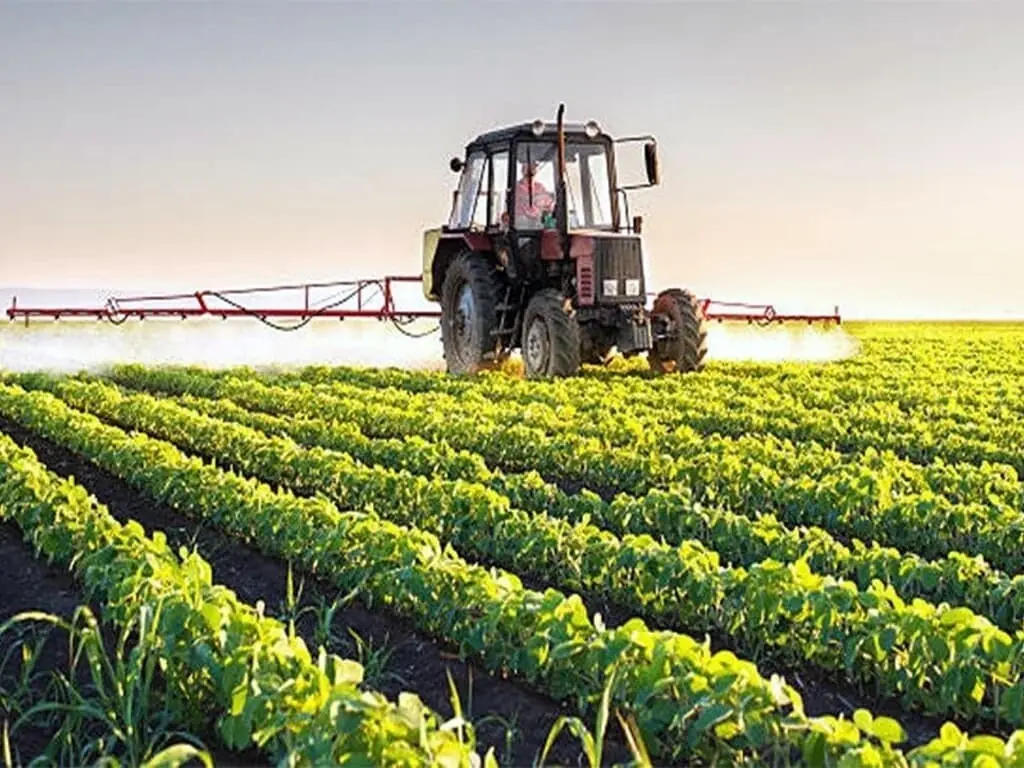

LAHORE: Agriculture Republic, a think tank reflecting on agri issues, has claimed that the Finance Bill 2026-27 reflects the government’s commitment to maintaining macroeconomic stability and fiscal discipline while preserving existing tax reliefs for the agriculture sector.
However, Pakistan now needs a stronger focus on agricultural transformation, climate resilience, and post-harvest infrastructure to unlock long-term growth.
Aamer Hayat Bhandara, a progressive farmer, and Co-Founder of Agriculture Republic while talking to Business Recorder said that the continuation of tax concessions on seeds, fertilizers, tractors, livestock inputs, and agricultural machinery will help avoid further increases in production costs for farmers. However, these measures largely maintain existing support rather than introducing major new interventions.
“At a time when Pakistan’s agriculture is facing increasing threats from climate change, water scarcity, heat stress, droughts, floods, and declining productivity growth, there is a need for a more comprehensive climate finance framework for farmers,” Aamer added.
He emphasized that since climate change, food security, and water management fall within the federal government’s policy domain, greater coordination is needed among the Ministry of Climate Change, Ministry of National Food Security, Research, and Ministry of Water Resources to facilitate climate-smart investments, adaptation financing, water-efficient technologies, climate risk insurance, and resilient agricultural systems.
Bhandara welcomed initiatives such as Zarkhez and broader efforts under the Special Investment Facilitation Council (SIFC), which aim to attract investment into agriculture, improve value chains, and modernize the sector.
He noted that these initiatives can play an important role in improving productivity and strengthening food security if implemented effectively and made accessible to farmers. He further stressed that one of the most overlooked challenges in Pakistan’s agriculture sector remains post-harvest losses. Significant quantities of fruits, vegetables, grains, and other commodities are lost every year due to inadequate storage, cold chain facilities, processing capacity, and logistics.
Copyright Business Recorder, 2026




















Comments