


Petroleum Levy target looks easily achievable
The FY27 budget heavily relies on petroleum levies, targeting Rs1.7 trillion, implying a significant increase in per-litre charges. This growing dependence on fuel taxation carries fiscal risks.
- Projected petroleum levy collections for FY27.
- Implications of the Rs100/litre effective levy on fuel.
- IMF's consistent push for heavier fossil fuel taxation.
- Risks of growing dependence on petroleum taxation.
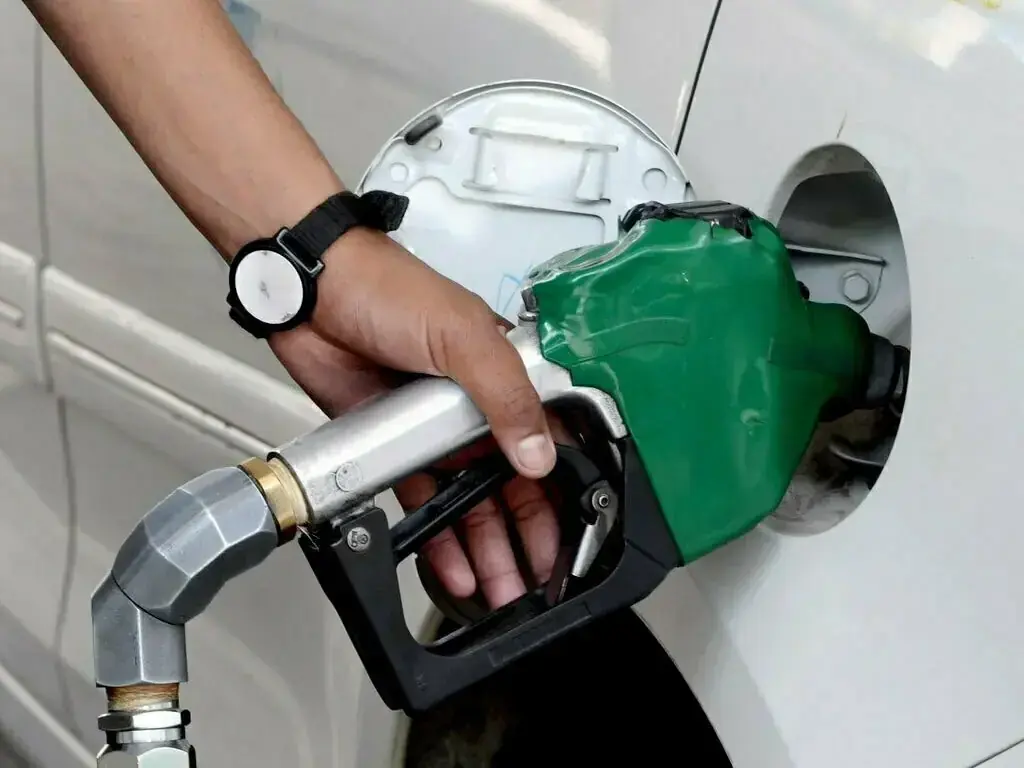

The FY27 budget leaves little room for ambiguity. In line with IMF expectations, the government has pencilled in petroleum levy (PL) collections of Rs1.7 trillion, up 27 percent from the estimated actual collection in FY26. With domestic petroleum sales assumed to remain broadly unchanged at around 17 billion litres, the math points towards an effective levy requirement of close to Rs100/litre each on petrol and high-speed diesel (HSD).
Add the existing pricing structure and the combined PL take would need to approach Rs180/litre, compared to roughly Rs160/litre currently being extracted from consumers. The government has, in recent years, shown little hesitation in maximising PL collections, even if it means lowering taxes on HSD and cross-subsidising it through higher charges on petrol.
One interesting deviation from expectations is the absence of any upward revision in the Carbon Support Levy (CSL) target. The previous trajectory implied collections doubling to around Rs48 billion, effectively raising the levy from Rs2.5/litre to Rs5/litre. That increase has, for now, been shelved, and it is difficult to imagine that happening without the IMF’s acquiescence.
The broader direction, however, remains unchanged. The IMF has consistently pushed for heavier taxation of fossil fuels, viewing it as a way to internalise the environmental and economic externalities associated with hydrocarbon consumption. Pakistan, unlike many jurisdictions, does not levy GST on petroleum products, and even after the recent increases, the tax burden still falls short of what the Fund and its development partners typically consider appropriate for transportation fuels.
From a revenue standpoint, the target looks attainable, particularly if international crude prices soften over the course of FY27. Lower oil prices create fiscal space for the government to capture a larger share through levies without triggering an immediate consumer backlash. There is also the possibility of some demand recovery if pump prices remain contained.
Yet the bigger story is the growing dependence on petroleum taxation to keep the fiscal engine running. Levies on fuel have increasingly become the backbone of non-tax revenue mobilisation, making the government’s finances more exposed to demand destruction, fuel substitution, or supply disruptions. With geopolitical tensions once again threatening volatility in global energy markets, putting an ever-larger share of the fiscal burden on petroleum consumption is not without risk.




















Comments