


Mothers, children: Climate change increasingly triggering mental health crisis
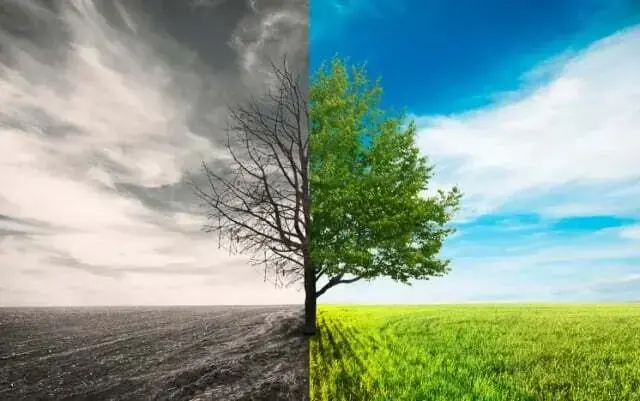

ISLAMABAD: Climate change is increasingly triggering a mental health crisis among Pakistani mothers and children, with experts warning that recurring floods, heatwaves, droughts and displacement are leaving deep psychological scars on vulnerable communities across the country.
Researchers and mental health professionals say climate-induced disasters are not only damaging homes, schools and livelihoods but are also fueling anxiety, depression, trauma and chronic stress, particularly among women and children who are often the most exposed to the social and economic consequences of environmental shocks.
According to studies reviewed by the Sustainable Development Policy Institute (SDPI) and other regional research organizations, Pakistan’s growing exposure to climate extremes is contributing to a rise in mental health challenges, especially among populations affected by repeated disasters.
A study published in the journal Disaster Medicine and Public Health Preparedness found a significant association between climate change anxiety and poor mental health outcomes among children in Pakistan. Researchers noted that fears about future disasters, loss of homes and disruption of education were contributing to heightened levels of stress and emotional distress among young people.
Pakistan remains among the countries most vulnerable to climate change despite contributing less than one percent to global greenhouse gas emissions. The catastrophic floods of 2022 affected more than 33 million people, including millions of children, and caused widespread displacement and loss of livelihoods.
Executive Director of SDPI, Dr Abid Qaiyum Suleri, has repeatedly emphasized that climate resilience strategies must go beyond infrastructure rebuilding and incorporate social protection, public health and community well-being measures.
“Climate impacts are multidimensional. Recovery efforts should address both physical reconstruction and the human costs borne by affected communities,” he said at various policy forums on climate resilience.
Zainab Naeem, Head of Ecological Sustainability and Circular Economy Unit SDPI noted that climate anxiety is emerging as one of the least discussed yet fastest-growing consequences of climate change in Pakistan. While floods, heatwaves and droughts destroy physical infrastructure, they also leave lasting psychological impacts on children, adolescent girls, mothers and entire communities, she added.
The 2022 floods, she said affected over 33 million people, displaced nearly 8 million and impacted approximately 16 million children. “For many children, climate disasters mean repeated disruption of education, loss of homes, displacement from communities and uncertainty about their future,” Zainab Naeem said.
Similarly, she added that recurrent heatwaves, with temperatures exceeding 45–50°C in several parts of Pakistan, are making daily life increasingly stressful. “Imagine a young child travelling to school, a university student commuting through extreme heat, or a working woman standing at overcrowded bus stops with little shade, cooling or safe public transport,” she said, ading that these experiences contribute to chronic stress, exhaustion, anxiety and reduced productivity.
For adolescent girls and women, she said climate impacts are often compounded by mobility and safety challenges. During floods and heatwaves, access to schools, universities, workplaces and healthcare facilities becomes increasingly difficult. Pregnant women face heightened anxiety regarding access to maternal healthcare, nutrition, drinking water and safe shelter, she added. Climate-induced displacement and migration further intensify these concerns as families are uprooted from their social support networks and livelihoods, she said.
“The WASH dimension is equally critical. Following floods, contaminated water supplies, damaged sanitation systems and poor hygiene conditions increase disease risks, particularly among children and mothers. The constant fear of accessing safe drinking water, maintaining menstrual hygiene and protecting children from waterborne diseases creates additional psychological distress. Though Pakistan has gender climate action plan, but the plan does not address mental health as a climate impact,” she noted.
Zainab Naeem emphasised that Pakistan’s climate response must therefore move beyond infrastructure and disaster relief. Adaptation planning should incorporate mental health and psychosocial support, climate-resilient schools, gender-responsive mobility systems, child-friendly spaces, resilient WASH services and social protection mechanisms at union council level, she said.
Mental health experts believe children are particularly vulnerable because they often struggle to process the uncertainty and fear associated with climate disasters.
Professor of Climate Change and Sustainable Development at the University of Waterloo, Dr Sarah Lowe, whose work focuses on disaster-related mental health, has noted that children exposed to repeated climate shocks are at higher risk of anxiety disorders, post-traumatic stress symptoms and long-term emotional difficulties.
Similarly, renowned climate and health researcher Dr Kristie Ebi has argued that climate adaptation policies must include mental health services, especially for women and children who experience disproportionate impacts from environmental crises.
Women often face additional pressures during and after disasters as primary caregivers responsible for securing food, water, shelter and healthcare for their families.
A study examining the psychosocial impacts of climate disasters in Pakistan found that many women displaced by floods reported symptoms of anxiety, depression and persistent fear regarding future climate events.
For many families, climate anxiety has become part of daily life. Shazia Bibi, a resident of Sindh displaced during the 2022 floods, said the experience continues to affect her family years later.
“Whenever heavy rain starts, my children become frightened. My younger son still asks whether floodwater will return and force us to leave our home again,” she told APP.
Twelve-year-old Ahmed, whose family spent several months in a temporary shelter following the floods, said he still worries about losing access to school.
“When dark clouds appear, I become nervous. I think about what happened before and whether we will have to leave everything again,” he said.
In southern Punjab, where recurring heatwaves and water shortages have become more common, Nazia, a mother of three, said climate-related concerns dominate conversations at home.
“We worry about water availability, crop losses and rising temperatures. The children listen to these discussions and start worrying about the future,” she said.
Regional evidence suggests similar patterns across South Asia. Studies conducted in Bangladesh and India have documented increasing levels of climate-related anxiety, ecological grief and psychological distress among children and young people exposed to floods, cyclones and displacement.
Experts say the region’s limited mental health infrastructure makes addressing these challenges even more difficult.
Executive Director of the Centre for Climate Change and Development (ICCCAD) in Bangladesh, Dr Saleemul Huq (late), had consistently advocated integrating mental health support into climate adaptation programmes, arguing that emotional recovery should be treated as an essential component of disaster resilience.
International organizations including UNICEF have also warned that climate change poses a growing threat to children’s mental and emotional well-being. The agency has stressed that climate-related shocks can affect children’s sense of security, disrupt education and undermine healthy development.
Mental health specialists recommend expanding school-based counseling services, establishing community support networks, strengthening psychological first aid programmes and incorporating trauma-informed approaches into disaster response mechanisms.
They argue that climate resilience should not be measured solely by rebuilt roads, homes and infrastructure but also by the capacity of communities to recover emotionally from increasingly frequent climate shocks.
As Pakistan continues to face rising temperatures, erratic weather patterns and extreme climate events, experts warn that addressing the psychological consequences of climate change among mothers and children will be critical for building long-term resilience and safeguarding future generations.
Copyright Business Recorder, 2026

























Comments