


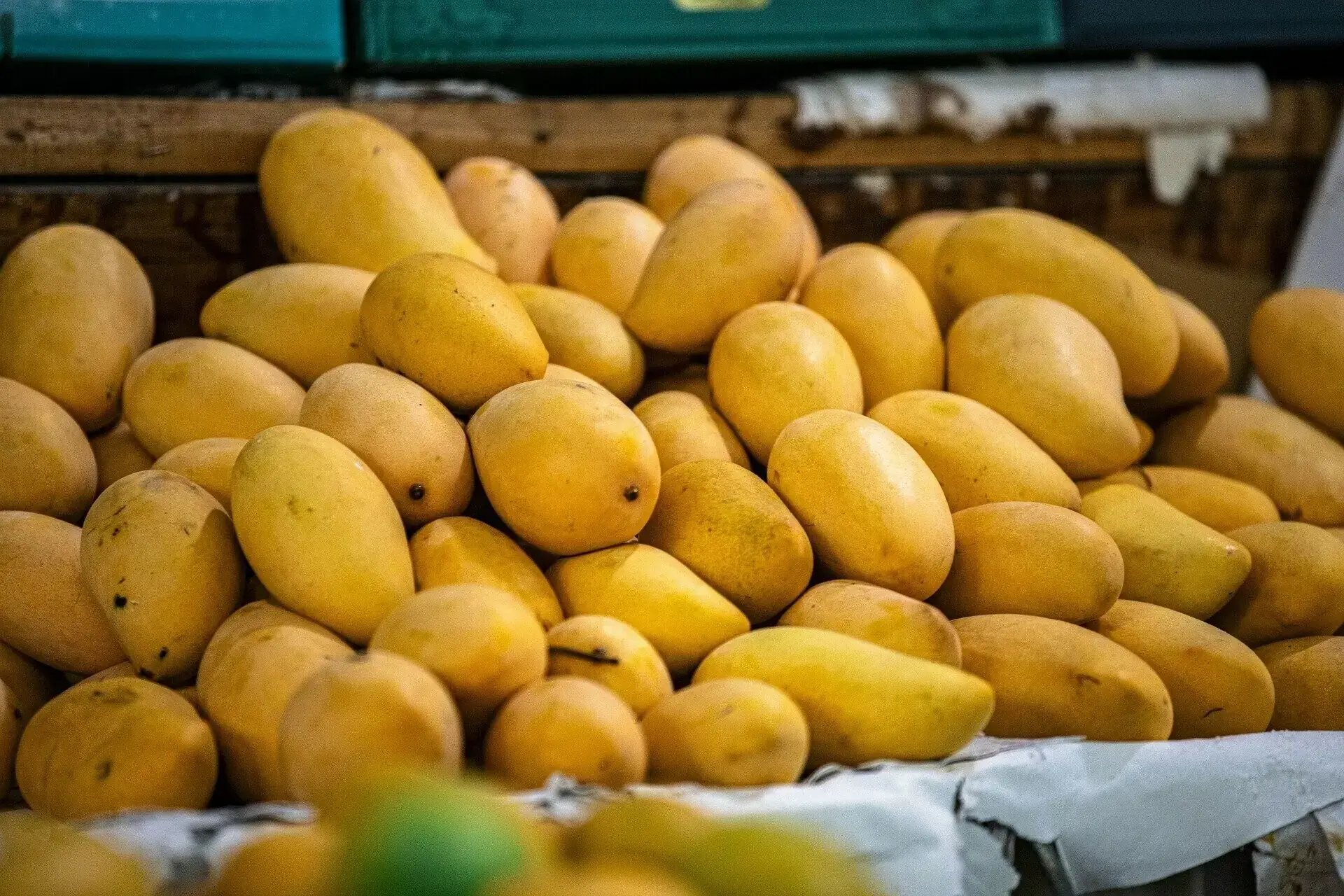

ISLAMABAD: Unexpec-ted rains in April badly hit the wheat and mango crops and the farmers fearing that the ongoing heat wave and any shortfall in the rain s during the monsoon season can damage the rice and cotton crops as well.
“Untimely rains in April badly damaged the mango crop and the output would be 40 percent less than what it was last year,” Khalid Khokhar, President of the Kissan Ittehad told Business Recorder. He said that Sindhri and Daesari somehow was damaged slightly but crops of chuansa, anwer Retol, and langra have been damaged by almost 40 percent.
Replying to query that why the local market flooded with mangoes, he said since there is no export of mangoes going on to Afghanistan and Iran, the growers are compelled to sell their crops in the domestic market. However, he said since Chuasa and Anwer Retol arrives in mid June and there is likelihood that the local market would witness a shortfall and higher prices of these varieties.
Waheed Ahmed, Patron-in-Chief of Pakistan Fruit and Vegetable Exporters, Importers and Merchants Association (PFVA) also admitted the fact that not only decline in mange production the exporters are also grappling with unprecedented logistical and financial hurdles as regional instability disrupts access to key Gulf markets, the largest destination for Pakistani mangoes.
“In view of the extraordinary challenges facing the trade, the export target has been reduced to 80,000 tons from last year’s 110,000 tons,” Ahmed said.
The decline is expected to significantly impact export earnings. Pakistan generated around USD 110 million from mango exports last season, but revenues this year are projected to fall to between USD75 million and USD 80 million.
The revised wheat target of 29.68 million tons also unlikely to be achieved as the total production of wheat likely to remained around 29.31 million tons during the 2025–26 Rabi season, slightly below the target of 29.678 million tons.
Khalid Khokhar said that the wheat crop target was mainly missed because of higher prices of DAP fertilizer and untimely rains in the upper parts of Punjab which produced around one million tons of wheat. He said the small farmers were not in position to buy DAP and they relied on traditional urea and natural fertilizers in their wheat which kept their yields low. He said if the government wants to increase production of wheat next year it increase the support price of wheat significantly.
Muzzammil Chappal, Chairman of the Cereal Association of Pakistan (CAP) that the shortfall in the wheat target may increase the prices of wheat if the government did not allow private sector to import wheat. “Right now the price of wheat in Punjab is PKR100 per kg, in Sindh PKR 108 and PKR 110 in KPK and PKR 115 per kg in Balochistan, but if the import of wheat was not allowed, then the prices may go up by PKR 15 -20 per kg,” he cautioned. He said the import of wheat will keep the price of flour on the present level and any delay in decision may spike the flour prices from present level PKR118-130 to PKR-150-180 per kg.
Copyright Business Recorder, 2026






















Comments