


Talks with business tycoons on budget: PM outlines plans to spur industry, create jobs
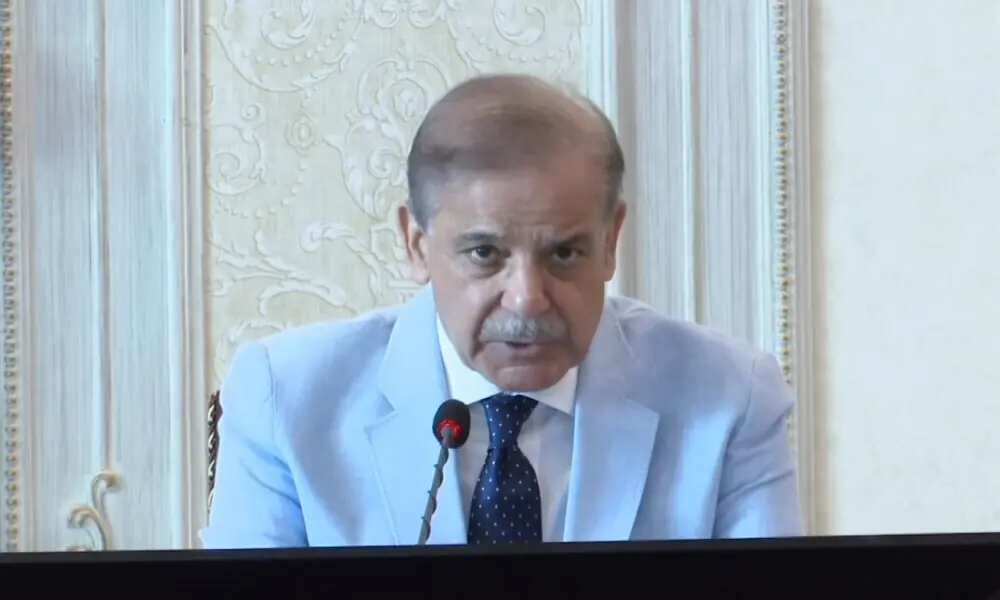

ISLAMABAD: Prime Minister Shehbaz Sharif on Wednesday reaffirmed the government’s commitment to an export-led growth strategy, tax reforms and enhanced collaboration with the private sector, describing these measures as central to the country’s economic recovery and investor confidence.
Addressing business and policy priorities for the upcoming fiscal year 2026-27, Sharif outlined initiatives aimed at expanding industry, creating jobs, and modernising both physical infrastructure and digital systems.
The remarks were made during a high-level meeting with leading business tycoons, convened ahead of the federal budget for 2026-27 next week to discuss ongoing economic reforms and budgetary priorities.
READ MORE: PM Shehbaz pledges inclusive economic policy in meeting with top business leaders
Welcoming the delegation, the prime minister referred to its members as “ambassadors of Pakistan” representing the country’s identity on the global stage.
He expressed gratitude for their support during challenging economic conditions and stressed the need for sustained public-private partnership in driving national development.
“A strong partnership between the government and the private sector is a guarantee of economic development,” he said, adding that consultation with the business community in policymaking is “extremely important.” The prime minister emphasised that Pakistan was moving towards “an export-led growth path,” which he called “the central focus of our economic policy.”
He also outlined steps to broaden the tax base by integrating segments of the informal economy, while ensuring public relief measures in the forthcoming budget.
He said business-friendly policies had helped stabilise the economy and restore confidence among foreign investors, creating conditions conducive to industrial growth and domestic production.
Sharif underlined that sectors such as industry, agriculture, and information technology would play a pivotal role in generating employment and strengthening economic resilience.
He noted that technical and vocational training programmes had been launched to equip young people with marketable skills, enabling them to participate effectively in the workforce and contribute to national development.
In a briefing to the business delegation on measures taken by the government to promote business, industry, and trade, officials outlined ongoing reforms aimed at improving the business environment and streamlining economic governance.
They said that tax tribunals, for instance, are being restructured to ensure faster resolution of cases, with appointments conducted transparently.
Copyright Business Recorder, 2026




















Comments