


Austerity steps: NA Secretariat achieves Rs4.5bn saving
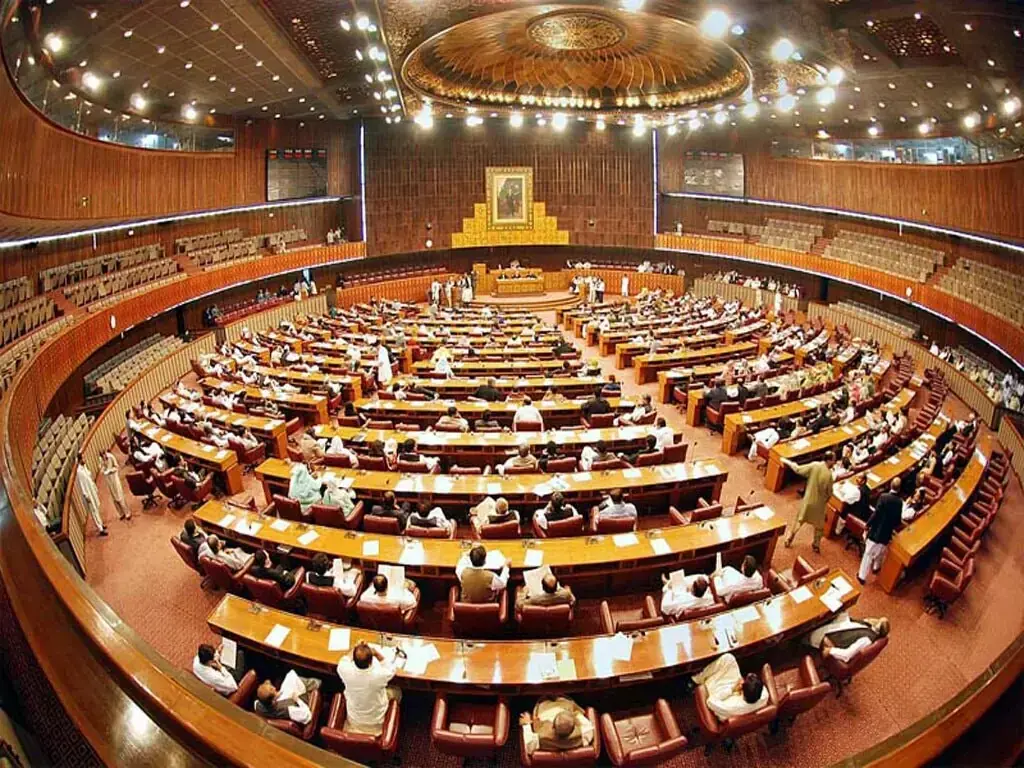

ISLAMABAD: The National Assembly Secretariat achieved budgetary savings of 27.3 percent, amounting to Rs 4.5 billion, during the current fiscal year through the implementation of austerity measures, fiscal discipline, enhanced transparency, right-sizing initiatives, and the adoption of modern institutional technologies.
According to the National Assembly Secretariat, under the visionary leadership of Speaker of the National Assembly Sardar Ayaz Sadiq, the National Assembly Secretariat has successfully implemented a comprehensive right-sizing, fiscal discipline, and institutional modernization programme aimed at enhancing efficiency, promoting transparency, and ensuring the prudent utilisation of public resources.
As a result of these austerity reforms, the Secretariat is on track to achieve savings of approximately Rs 4.5 billion, representing 27.3 percent of its total budgeted expenditure for FY 2025–26.
The total projected expenditure of the National Assembly Secretariat for FY 2025–26 was Rs 16.3 billion, comprising Rs 9.4 billion in employee-related expenditure, including salaries, allowances, and payments to Members of the National Assembly and Secretariat officials, and Rs 6.9 billion in non-employee-related expenditure covering operational costs, utilities, maintenance, procurement, transport, and other administrative expenses.
Through a series of targeted austerity and efficiency measures, the National Assembly Secretariat has generated estimated savings of Rs 2.0 billion in employee-related expenditure and Rs 2.5 billion in non-employee-related expenditure.
As part of the right-sizing initiative, the sanctioned strength of the National Assembly Secretariat is being reduced from 1,725 posts to 1,344 posts. Of the targeted reduction of 381 posts, 301 positions have already been abolished, while the remaining 80 posts are scheduled to be abolished during FY 2026–27.
These reforms reflect Speaker National Assembly Sardar Ayaz Sadiq’s commitment to creating a more efficient and performance-oriented institution capable of delivering high-quality services while reducing the burden on the national exchequer. However, it may be clarified that, while doing so, not a single employee was laid off or forced to resign. This reflects effective human resource management.
Significant savings in non-employee expenditure have resulted from strengthened financial oversight, cost-effective procurement practices, energy conservation measures, tighter controls on operational spending, and the adoption of modern administrative systems. A major contributor to these savings has been the implementation of the Speaker’s vision of a Paperless Parliament. Through extensive digitization of parliamentary business, including the electronic circulation of agendas, bills, reports, parliamentary papers, and committee documents, the Secretariat has substantially reduced paper consumption, printing costs, record-management expenses, and administrative delays.
The transition to a digital working environment has not only improved efficiency but has also supported environmental sustainability.
In line with the modernisation agenda, the National Assembly has become the first AI-enabled Parliament through the integration of advanced digital tools and technology-driven solutions to improve legislative research, document management, information accessibility, and administrative efficiency.
These initiatives are helping to transform parliamentary operations, strengthen institutional capacity, and enhance service delivery for Members and stakeholders.
The Secretariat has also undertaken strict austerity measures regarding official transport and travel expenditure. Enhanced monitoring and rationalization of the official transport fleet, optimization of vehicle utilisation, reductions in fuel consumption, and tighter controls on maintenance and operational costs have generated substantial savings.
Speaker of the National Assembly Sardar Ayaz Sadiq has reiterated that financial discipline, transparency, digital transformation, institutional modernization, and responsible governance remain key priorities of the National Assembly. He emphasized that the savings achieved through these reforms demonstrate Parliament’s commitment to the effective stewardship of public funds and to leading by example in promoting efficiency and accountability across public institutions.
The National Assembly Secretariat will continue to pursue reforms that enhance operational efficiency, strengthen accountability, embrace innovation, and ensure the optimum utilization of national resources.
Copyright Business Recorder, 2026





















Comments