


PTC for competitive budget steps to revive exports & industries

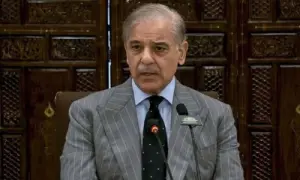
ISLAMABAD: Pakistan Textile Council (PTC) Chairman Fawad Anwar has urged the government to adopt the textile and apparel industry’s budget recommendations for FY2026-27, warning that these proposals represent the minimum requirements necessary to preserve the viability of Pakistan’s largest export sector.
Speaking on behalf of the country’s leading textile and apparel associations, Fawad Anwar said that the cost of doing business in Pakistan has increased continuously over the last three years due to higher energy tariffs, rising taxation, increased statutory labour contributions, withdrawal of export support mechanisms, and mounting compliance costs.
He said while Pakistan’s competitors including Bangladesh, India, Vietnam and China have strengthened incentives for exporters, rationalized tax structures and provided competitive energy tariffs to industry, Pakistan’s manufacturers have been subjected to steadily rising costs, resulting in a widening competitiveness gap.
“The textile industry is not asking for special treatment or subsidies. We are only seeking parity with our regional competitors. These recommendations are not wish-list demands; they are the minimum requirements needed to keep the industry operational and competitive,” said Fawad Anwar.
He cautioned that if corrective measures are not taken in the upcoming budget, the country’s export sector would face severe consequences.
“If these minimum recommendations are not accepted, many industrial units will become unsustainable. The industry is already operating under immense pressure. Continued policy inaction will lead to further closures, loss of employment, decline in exports and reduced foreign exchange earnings. Simply put, the industry will struggle to survive,” he added.
The Chairman highlighted that exporters are currently facing one of the highest cost structures in the region. Industrial electricity tariffs remain significantly above competing countries while gas prices for industry are among the highest in Asia. He reiterated the industry’s demand for electricity at 8 cents per unit and gas at $7 per MMBtu, along with the removal of the off-grid levy and other distortionary surcharges.
Fawad Anwar further noted that exporters are suffering from an unprecedented liquidity crisis due to delayed refunds and excessive front-loaded taxation. According to industry estimates, approximately PKR 828 billion of exporter capital remains trapped within the regulatory framework through outstanding refunds, blocked advance taxes and GST locked in inventories.
Copyright Business Recorder, 2026















Comments