


Canada enters surprise technical recession amid tariff uncertainty
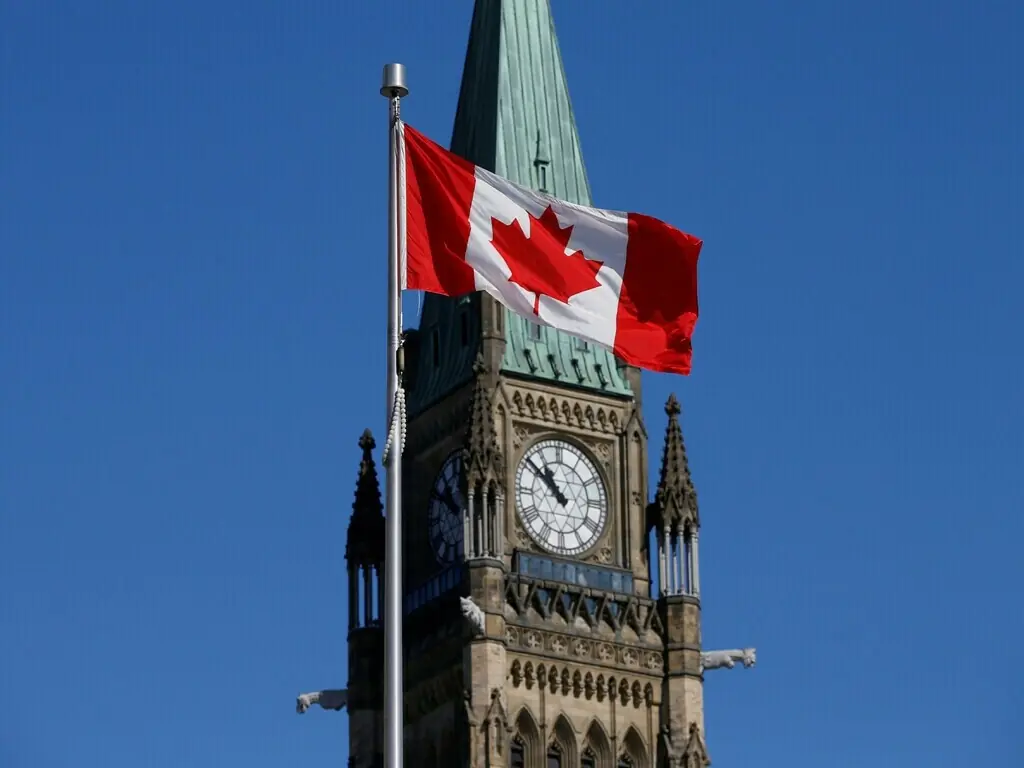

OTTAWA: Canada’s economy posted a surprise contraction in the first quarter versus the year before, making it two straight quarters of annualized decline - which some economists call a technical recession - as the country struggles with US tariff uncertainty.
Gross domestic product declined at an annualized rate of 0.1 percent in the first quarter, Statistics Canada said on Friday, compared with a downwardly revised contraction of 1 percent in the fourth quarter of last year.
Analysts polled by Reuters and the Bank of Canada had predicted first-quarter growth of a robust 1.5 percent. On a quarterly basis, first-quarter GDP was unchanged against a decline in the fourth quarter of last year.
Canada’s economy has largely withstood trade uncertainty and tariff impacts for more than a year, but the knock-on effects of tariffs have sapped investments, hiring and expenditure, and driven up prices.
The upcoming review of the North American free trade deal and the crude price shock due to the Middle East war have added more layers of uncertainty.
The last two times Canada was in a technical recession were during the start of the pandemic in 2020 and during the oil shock in the beginning of 2015.
At that time there were two consecutive quarters of decline, both on an annualized basis and quarterly basis, StatsCan said. Economists were divided on whether Canada is in a recession or not.
“The trade-induced contraction in GDP last quarter meant the economy tipped into a technical recession at the start of the year,” said a note from Capital Economics, though rising oil and gas activity mean the economy likely rebounded in April.
Randall Bartlett, deputy chief economist with Desjardins Group, said the group is not prepared to call the data a recession as the weakness in the Canadian economy was not widespread.




















Comments