


Govt urged to evolve strategy aimed at developing local industry
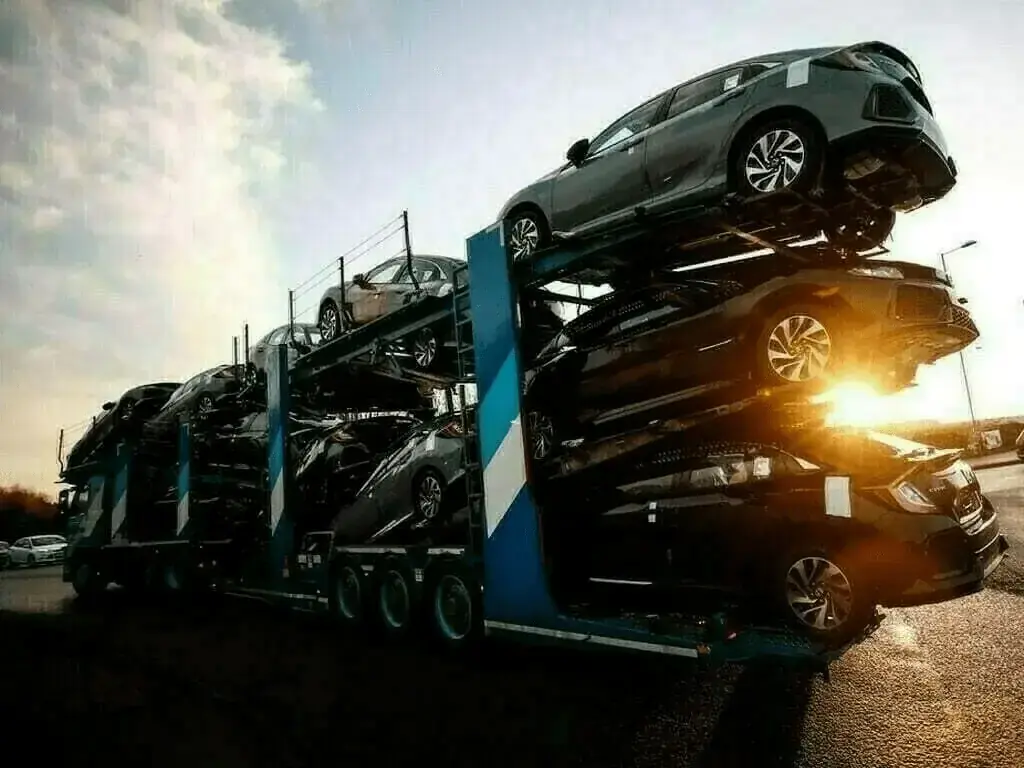
ISLAMABAD: The Pakistan Association of Automotive Parts & Accessories Manufacturers (PAAPAM) welcomes constructive debate on the upcoming Auto and Auto Parts Manufacturing Policy 2026–2031. However, the suggestion that local parts manufacturers are merely protecting legacy assemblers does not reflect the ground realities of Pakistan’s automotive industry.
PAAPAM is not opposed to new entrants, Chinese brands, Korean brands, BEVs, HEVs, PHEVs, REEVs, or technological transformation. Our members are prepared to supply all assemblers and all technologies. The real question is whether the upcoming policy will build manufacturing capability inside Pakistan or simply make imported kits and used vehicles easier to sell.
Usman Aslam Malik, Chairman PAAPAM, stated, “Pakistan must transition toward advanced mobility and electric vehicles, but this transition should strengthen local manufacturing instead of replacing it with import dependency. Localization is not resistance to change; it is the foundation of sustainable industrial growth.”
It is also incorrect to assume that Pakistan’s auto parts industry has no role in the EV ecosystem. A significant portion of components remains common across ICE, hybrid, and electric platforms, including glass, tyres, seats, trim, rubber parts, weatherstrips, body components, suspension systems, braking parts, lighting, wiring, plastic parts, fasteners, sheet metal, tooling, and many other systems. Pakistani vendors already manufacture several of these components under strict OEM standards.
Shehryar Qadir, Senior Vice Chairman PAAPAM, added, “The issue is not whether Pakistani vendors can manufacture EV-relevant parts. The issue is why new entrants are not being meaningfully encouraged or obligated to source these components locally.”
The experience of recent policies is clear. While Pakistan attracted new assemblers and increased model variety, deep localization did not follow. Where import concessions existed without enforceable localization requirements, the commercial preference naturally shifted toward imported kits instead of local vendor development. This is not industrialization; it is import-based assembly.
For this reason, PAAPAM believes localization commitments must be binding rather than symbolic. Incentives should be linked to model-wise localization plans, vendor development, technology transfer, audited local content targets, and measurable compliance mechanisms. Without both incentives and accountability, policies unintentionally reward short-term import dependence over long-term industrial capability.
PAAPAM supports consumer affordability, but affordability cannot come at the cost of dismantling the local supply chain. Vehicle pricing in Pakistan is influenced by exchange-rate depreciation, taxation, energy costs, financing constraints, interest rates, and production volumes. Temporary tariff relaxations or unrestricted used-car imports may create short-term price relief, but they weaken domestic production, reduce employment, increase foreign-exchange pressure, and discourage future localization.
Used vehicle imports are particularly damaging because they generate no vendor orders, no tooling investment, no technology transfer, no manufacturing employment, and no long-term industrial ecosystem. No serious automotive manufacturing economy treats large-scale used imports as a sustainable industrial policy.
PAAPAM’s position remains straightforward: support technology transition, support BEVs, support competition, support exports, and support new entrants — but ensure every concession is tied to local value addition. EV incentives should help establish a local EV supply chain instead of merely subsidizing imported CKD kits. Similarly, PHEVs and REEVs should not be treated identically to pure BEVs where such treatment undermines localization objectives and fiscal balance.
Copyright Business Recorder, 2026













Comments