


MoC reviewing joint budget proposals of textile industry
Pakistan's textile industry has submitted budget proposals for 2026-27, seeking reduced duties and removal of anti-dumping duties on polyester staple fiber, citing market distortion and high effective tax rates hindering export competitiveness.
- Customs and anti-dumping duties on polyester staple fiber.
- High effective tax burden on textile exporters.
- Impact of the minimum tax regime on exporters.
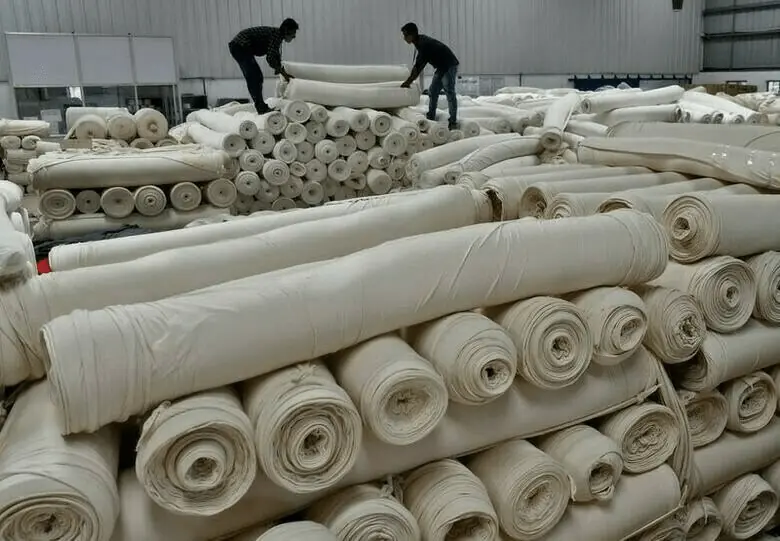

ISLAMABAD: The Tax Policy Unit of the Ministry of Finance is reviewing budget proposals jointly submitted by the textile industry and six other associations linked to the sector for the 2026-27 budget, seeking a reduction in duty and the removal of anti-dumping duty on polyester staple fiber (PSF).
According to the joint proposals (2026-27) of the industry, the existing seven percent customs duty, coupled with anti-dumping duties ranging up to 11.51 percent on imports from China and up to 12.47 percent on imports from Chinese Taipei, Indonesia, and Thailand, has severely distorted the domestic market.
Consequently, Pakistan has remained overly reliant on cotton-based exports, despite a rapidly expanding and higher-value global MMF market.
READ MORE: Budget proposals to be shared with IMF, govt assures textile sector
The effective tax burden in Pakistan is significantly higher than in competing economies.
Although the statutory corporate income tax rate stands at 29 percent, exporters are also subject to additional levies, including the super tax, Workers’ Welfare Fund (WWF), Workers’ Profit Participation Fund (WPPF), PESSI, etc.
For exporters, the effective tax rate has increased to 68.27 percent because of the above cumulative obligations and 2 percent Advance Tax on their turnover. The shift of exporters from the final tax regime (FTR) to the minimum tax regime (MTR) has adversely affected competitiveness and export viability.
The joint proposals revealed that the advance income tax on exporters including 1 percent minimum tax (advance tax under Section 154) and an additional 1 percent advance tax under Section 147. This has severely affected exporters’ cash flow. Manufacturers involved in the domestic textile trade pay only 1.25 percent advance tax, while exporters bear a heavier burden, they added.
Copyright Business Recorder, 2026




















Comments