


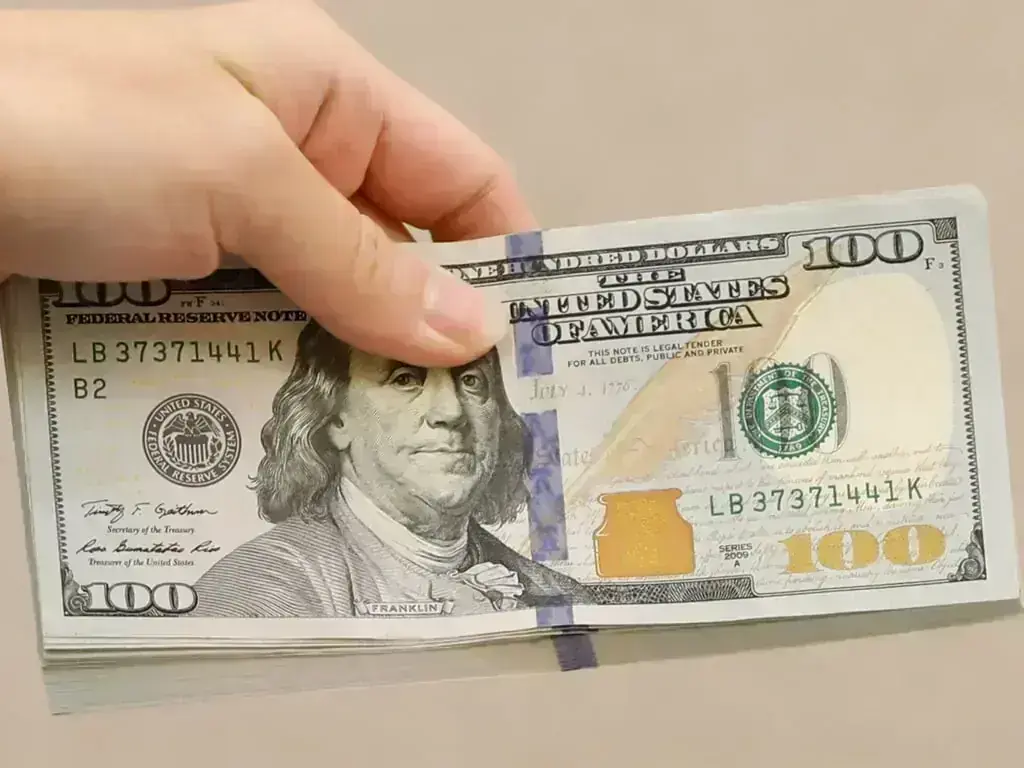

NEW YORK: The US dollar strengthened on Tuesday as investors focused on a possible hawkish shift by the Federal Reserve to curb energy-driven inflation, while uncertainty over a potential peace deal in the Middle East also weighed on sentiment.
US President Donald Trump said on Monday there was now a “very good chance” of reaching a deal limiting Iran’s nuclear programme. However, the terms of Tehran’s latest peace proposal, as described in the Iranian reports, appeared little changed from Iran’s previous offer, which Trump rejected last week as “garbage.”
The dollar surged in March after Iran’s effective closure of the Strait of Hormuz pushed oil prices higher, weighing on oil-dependent economies such as Japan and the euro zone while boosting safe-haven demand for the US currency.
Oil prices fell on Tuesday on Trump’s comments.
The greenback is now also being supported by higher yields, driven by inflation fears and uncertainty over how new Federal Reserve Chair Kevin Warsh will respond if price pressures continue to accelerate.
“We’re now back to fundamentals, which is, what’s going on with inflation and what does that mean for bonds and where does that leave the Fed,” said Eric Theoret, a foreign exchange strategist at Scotiabank.
At the same time, traders are pricing in less aggressive monetary tightening in Europe and Britain, which is also boosting the dollar, Theoret said.
The dollar index, which measures the greenback against a basket of currencies including the yen and the euro, rose 0.32 percent to 99.30.
Fed funds futures traders are pricing in roughly 50 percent odds that the US central bank could hike rates by December although many analysts said a rate increase is unlikely unless inflation is seen in core consumer prices and inflation expectations break higher.
The euro fell 0.38 percent to USD1.1611. Sterling weakened 0.26 percent to USD1.3398.
British government borrowing costs fell for a second consecutive day on Tuesday, after reports indicated that the most likely challenger to Prime Minister Keir Starmer would not overhaul the country’s borrowing rules.
The Japanese yen weakened 0.14 percent against the greenback to 159.05 per dollar.
Data on Tuesday showed that Japan’s economy grew by an annualised 2.1 percent in the first quarter, supporting expectations for a Bank of Japan rate increase in June.
Markets are also awaiting details of the government’s supplementary budget plan, which could further strain Japan’s already deteriorating public finances and weigh on the yen.
Japanese Finance Minister Satsuki Katayama told reporters on Monday that Japan stands ready to act against excessive currency volatility, while ensuring that any intervention to support the yen does not push up US Treasury yields.
Investors have been watching closely for further signs of intervention to support the yen, which remains slightly stronger than it was before Japanese officials last month launched their first foray into the currency market in nearly two years.

























Comments