


Rising costs push packaging, paper industry into crisis
Pakistan's packaging and paper industry faces severe economic pressure from soaring raw material and energy costs, coupled with market resistance to price increases, threatening its stability and vital role.
- Rising raw material and energy costs for manufacturers.
- Global supply chain disruptions and geopolitical impacts.
- Calls for government intervention and policy support.
- Threats to packaging quality and industry stability.
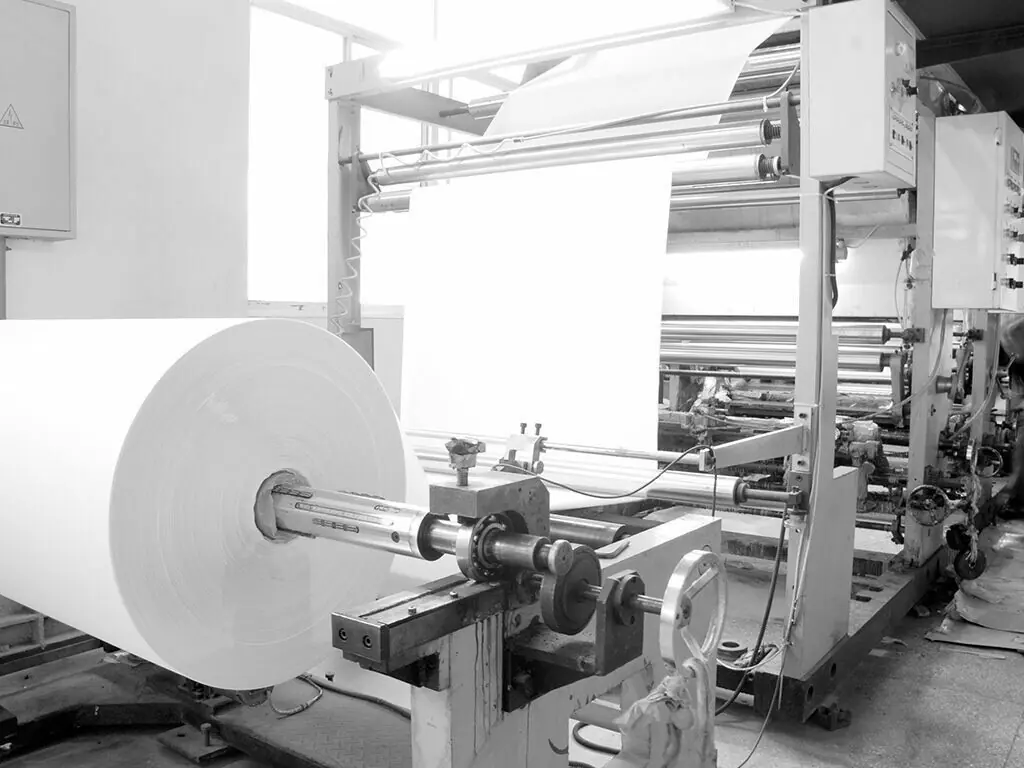

LAHORE: Pakistan’s packaging and paper industry is facing mounting economic pressure as soaring raw material and energy costs continue to squeeze manufacturers, while resistance to price increases in the market threatens the stability of a sector considered vital to the country’s industrial economy.
Industry stakeholders say the prices of key inputs, including kraft paper, pulp, adhesives, inks, and fuel, have risen sharply over the past year due to global supply chain disruptions, inflation, and currency fluctuations.
At the same time, increasing electricity tariffs have significantly raised manufacturing and transportation costs, leaving manufacturers with shrinking profit margins.
Kraft paper, one of the sector’s most essential raw materials, witnessed major price volatility amid rising global demand and constrained supply.
Industry experts noted that paper accounts for nearly 70 percent of total raw material costs in packaging production, making manufacturers highly vulnerable to any increase in prices.
READ MORE: Shipping agents and freight forwarders: APPMA slams ‘illegal’ charges, FBR ‘inaction’
All Pakistan Paper Merchants President (North Zone) Hassan Raza said that rising fuel and energy costs, along with the recent Iran-US geopolitical conflict, were major factors behind the surge in paper and paper product prices.
e warned that continued tensions had disrupted supply chains and inflated import costs, placing further pressure on the industry. Raza urged the government to stabilize energy prices and provide relief to traders, warning that unchecked price hikes could seriously impact the publishing, packaging, and stationery sectors nationwide.
Arshyan Tayyab described the situation as both operationally and financially challenging. He said packaging remained the backbone of almost every industry and stressed the importance of maintaining a reliable supply chain.
He noted that the burden of rising input and energy costs was already severe and expected to intensify further. With fuel prices climbing and the monsoon season likely to create additional logistical difficulties, Tayyab warned that paper prices could rise further in the coming months.
He stressed that a collaborative and realistic pricing approach was necessary to ensure long-term supply chain stability and uninterrupted delivery of quality packaging products.
Ibrahim Tawab also highlighted worsening conditions for manufacturers, saying rising fuel costs were significantly affecting the supply of recycled materials used in paper production.
Tawab called on the government to intervene by reducing interest rates and introducing transport subsidies to ease the financial burden on manufacturers. He warned that without meaningful policy support, the paper manufacturing sector would continue to face severe economic strain.
Industry experts also warned that prolonged financial pressure could negatively affect packaging quality standards. They noted that packaging plays a crucial role in ensuring product safety, extending shelf life, and protecting brand reputation.
Experts said maintaining quality standards requires continuous investment in modern machinery, skilled labour, and high-grade raw materials, all of which have become increasingly expensive.
While manufacturers are adopting cost-cutting measures and operational efficiencies to absorb some of the pressure, industry leaders maintained that internal adjustments alone would not be enough to address the scale of the crisis. They stressed the need for transparent communication between manufacturers and customers, timely pricing adjustments, and greater collaboration across the supply chain to ensure long-term stability.
Copyright Business Recorder, 2026




















Comments