


Govt seeks Chinese IPPs consent for revised deals to unlock Rs1.225trn facility
Pakistan is urging Chinese CPEC power producers to accept renegotiated payment terms, including discounts, to access a Rs1.225 trillion facility and clear over Rs560 billion in outstanding dues amidst rising circular debt.
- Government's push for Chinese IPPs to accept renegotiated payment terms.
- Over Rs560 billion owed to Chinese power producers under CPEC.
- Threat of power plant shutdowns due to mounting payment backlogs.
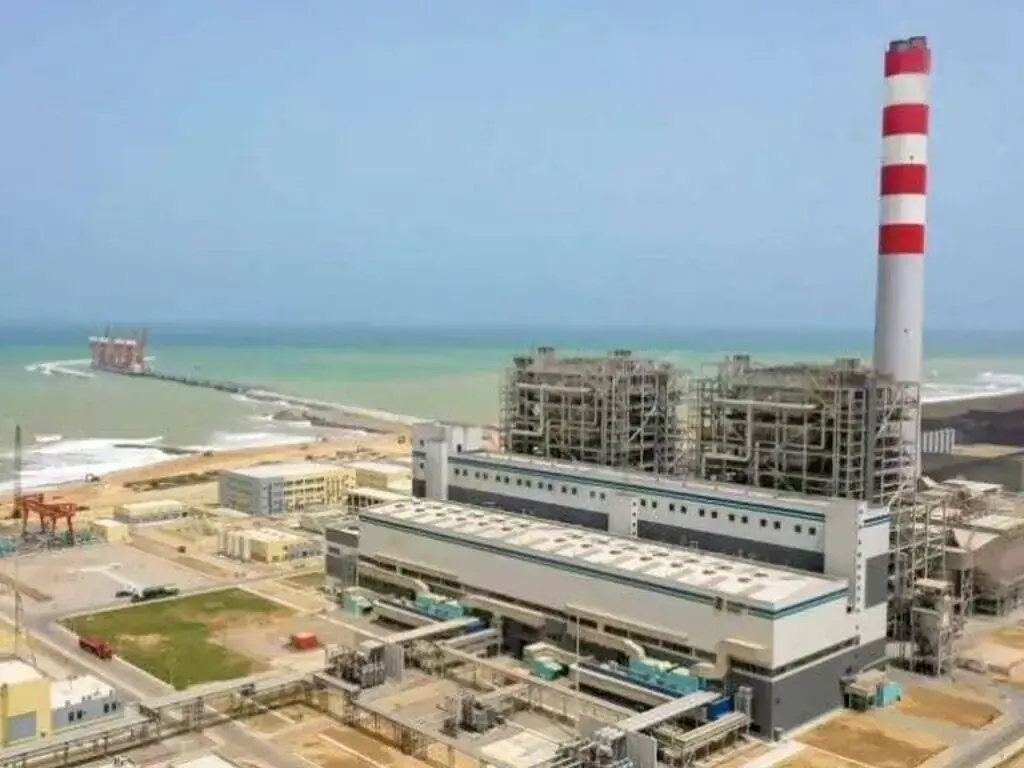
ISLAMABAD: The government is making efforts to persuade Chinese Independent Power Producers (IPPs) under the China-Pakistan Economic Corridor (CPEC) to sign renegotiated settlement agreements similar to those concluded with other IPPs to enable disbursement of the remaining amount from Rs1.225 trillion facility arranged from commercial banks, well-informed sources told Business Recorder.
The National Energy Task Force, headed by Minister for Power Sardar Awais Ahmed Khan Leghari and comprising Adviser to the Prime Minister on Privatisation and Lt-Gen Zafar Iqbal, completed its homework on a proposed mechanism for Chinese IPPs.
According to sources, the Central Power Purchasing Agency-Guaranteed (CPPA-G) currently owes over Rs560 billion (around USD2 billion) to Chinese IPPs up by Rs130 billion from Rs430 billion as of June 30, 2025.
READ MORE: Payments to Chinese IPPs: PQEPC seeks help of Aurangzeb
However, payments have been delayed due to the government’s financial constraints. Chinese IPPs are reportedly using multiple forums, including the CPEC Secretariat, to press for clearance of their dues.
“We have asked Chinese IPPs to avail the opportunity to clear their receivables from the Rs1.225 trillion facility raised to retire circular debt, for which they will have to sign agreements similar to those already concluded with other IPPs, however they are resisting the move” the sources said.
Earlier, the government had paid Rs100 billion to around 16 Chinese power projects, including coal-fired plants, ahead of Prime Minister Shehbaz Sharif’s visit to China on August 31, 2025. However, authorities are currently reluctant to extend similar ad hoc payments to appease the Chinese IPPs.
The government had secured a Rs1.225 trillion loan from 18 commercial banks to reduce the circular debt stock, which currently stands at around Rs1.8 trillion. However, a significant portion of the facility remains undisbursed as CPEC IPPs have not agreed to offer any discount on their outstanding payments.
“The federal cabinet had decided that funds cannot be disbursed unless CPEC projects agree to a discount,” an insider revealed.
Sources said the government has finalised proposals to renegotiate payment terms with CPEC projects, or alternatively proceed with payments under existing arrangements, provided the stakeholders agree to a discount.
During a recent public hearing at National Electric Power Regulatory Authority (NEPRA), CPPA-G CEO Rihan Akhtar stated that delays in disbursement of the bank facility were a key factor behind the increase in circular debt.
Meanwhile, Port Qasim Electric Power Company (PQEPC) CEO, in a letter to the finance minister, conveyed “significant discontent” among shareholders, including Chinese and Qatari investors, over the mounting payment backlog and urged urgent measures to reduce outstanding dues.
He warned that the current level of receivables entitles PQEPC to suspend operations under Section 9.10 of the Power Purchase Agreement (PPA), without liability for liquidated damages.
“Almost all Chinese IPPs established under the CPEC framework are approaching the authorities for payments so they can remit returns to shareholders,” said another insider.
According to the International Monetary Fund (IMF), circular debt—estimated at Rs1.764 trillion in early 2026—has prompted the government to commit to key reforms under its programme. These include regular tariff adjustments, phasing out untargeted subsidies, converting the accumulated stock into CPPA-G liabilities, and introducing additional surcharges to retire the principal amount.
While these measures aim to restore financial sustainability in the power sector, they are expected to create short-term affordability challenges for consumers. Looking ahead, annual electricity tariff rebasing will remain a critical component of the reform agenda.
Copyright Business Recorder, 2026














Comments