


Representatives of leather industry share concerns with Jam Kamal
- Facing high costs and complex taxes, Pakistan's leather sector seeks urgent reforms to boost its global export potential and streamline operations
Pakistan's leather industry faces significant challenges including high production costs, complex taxation, and import duties, hindering its export competitiveness. The Commerce Minister met with industry leaders to discuss reforms and collaboration.
- High production costs and fragmented compliance.
- Multiple taxation and costly import financing.
- Proposals for streamlined compliance and tariff adjustments.
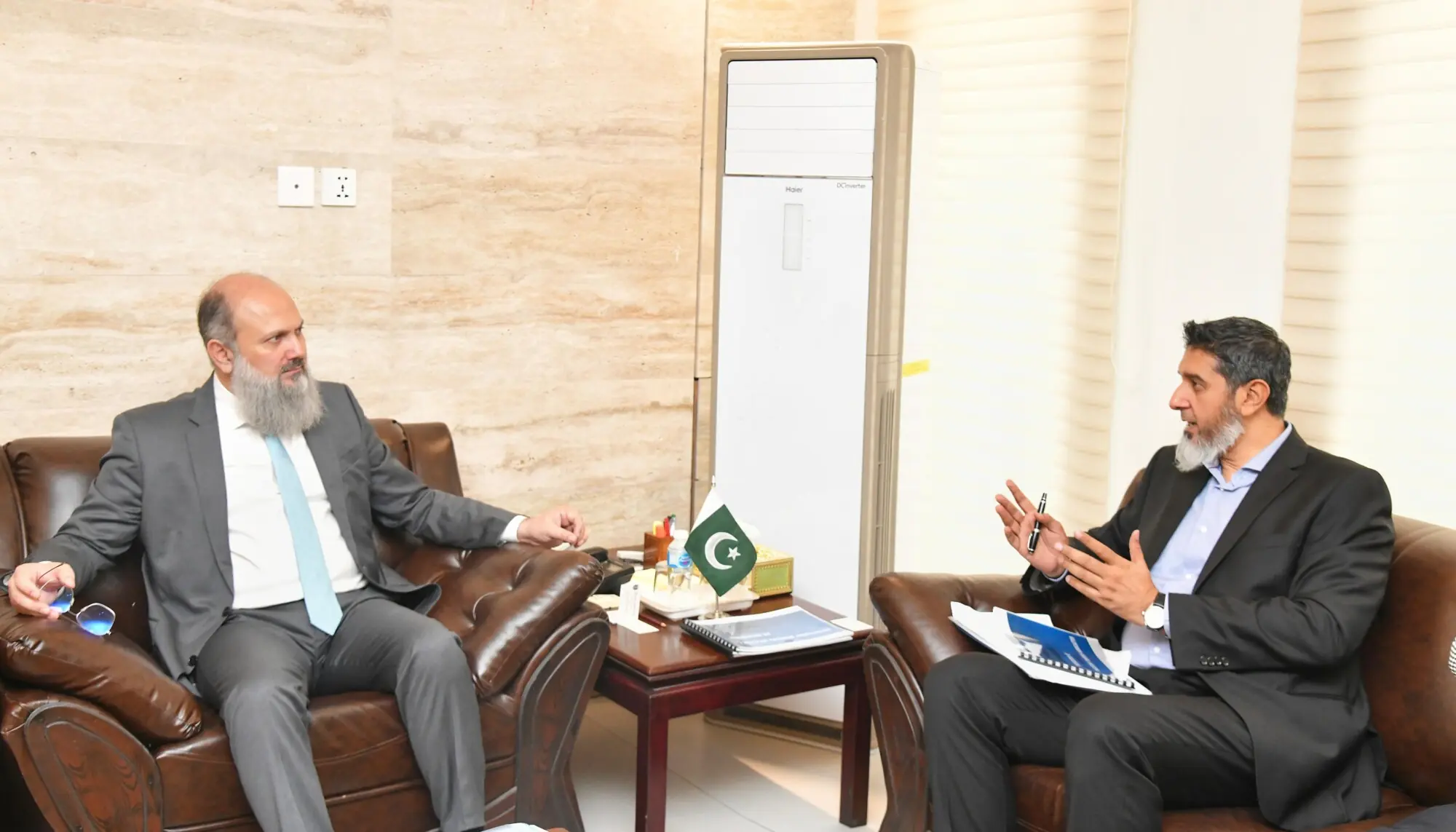
Representatives of the leather industry raised concerns on Thursday over high production costs, fragmented compliance requirements, multiple taxation, costly import financing, and duties on raw materials affecting export competitiveness.
Federal Minister for Commerce, Jam Kamal Khan, held a detailed consultative meeting with representatives of Pakistan’s leather industry to discuss the sector’s export performance, competitiveness challenges, taxation pressures, market access issues, and reform proposals aimed at strengthening industrial growth and export potential, as per a statement.
Industry representatives noted that despite Pakistan’s strong livestock resources, well-established manufacturing expertise, and export strength in leather garments, gloves, footwear, handbags, and other value-added products, the sector continues to struggle with several structural challenges.
These include high production costs, fragmented compliance requirements and high taxation rates.
READ MORE: Leather & footwear industry seeks ban on used shoes import
The delegation expressed concerns over the growing burden of multiple inspections, approvals, certifications, and overlapping taxes imposed by federal, provincial, and municipal authorities.
They stressed the need for a streamlined and harmonized compliance system, along with a one-window taxation mechanism, to improve ease of doing business and reduce operational inefficiencies.
The rising cost of doing business remained a major concern during the discussion with the stakeholders pointing to challenges in import financing and the high rate of duties on industrial raw materials, which they stated were adversely affecting export competitiveness and limiting the sector’s ability to expand in international markets.
“Industry representatives also shared preliminary budget proposals, including tariff rationalization, duty adjustments on raw materials, and tax relief measures for export-oriented manufacturing units.
Participants stressed that exporters must be facilitated across the broader industrial ecosystem, including affordable access to inputs, financing facilities, improved market access, and greater regulatory efficiency,” as per the press release.
The leather industry also underscored opportunities to boost exports through better utilization of Pakistan’s livestock potential, strengthening the value chain, and expanding its presence in regional and global markets.
Acknowledging the concerns raised by stakeholders, the minister emphasized that enhancing Pakistan’s export competitiveness required not only immediate facilitation measures but also long-term structural reforms in areas such as taxation, market access, financing, and industrial productivity.
READ MORE: Jam apprised about levy issues facing carpet sector
He reaffirmed the Ministry of Commerce’s commitment to maintaining close engagement with industry stakeholders to support practical reforms and strengthen Pakistan’s export-oriented manufacturing sectors.
As per the press release, the meeting concluded with a shared understanding on continued public-private collaboration to address sectoral bottlenecks and unlock the full export potential of Pakistan’s leather industry.












Comments