


Deficit down — fault lines remain
The government's improved fiscal deficit and primary surplus are misleading, driven by excessive taxation, SBP profits, and petroleum levies, masking underlying structural weaknesses and expenditure challenges.
- The misleading nature of the government's improved fiscal position.
- Over-reliance on SBP profits and petroleum levies for revenue.
- Challenges in broadening the tax base and controlling core expenditures.
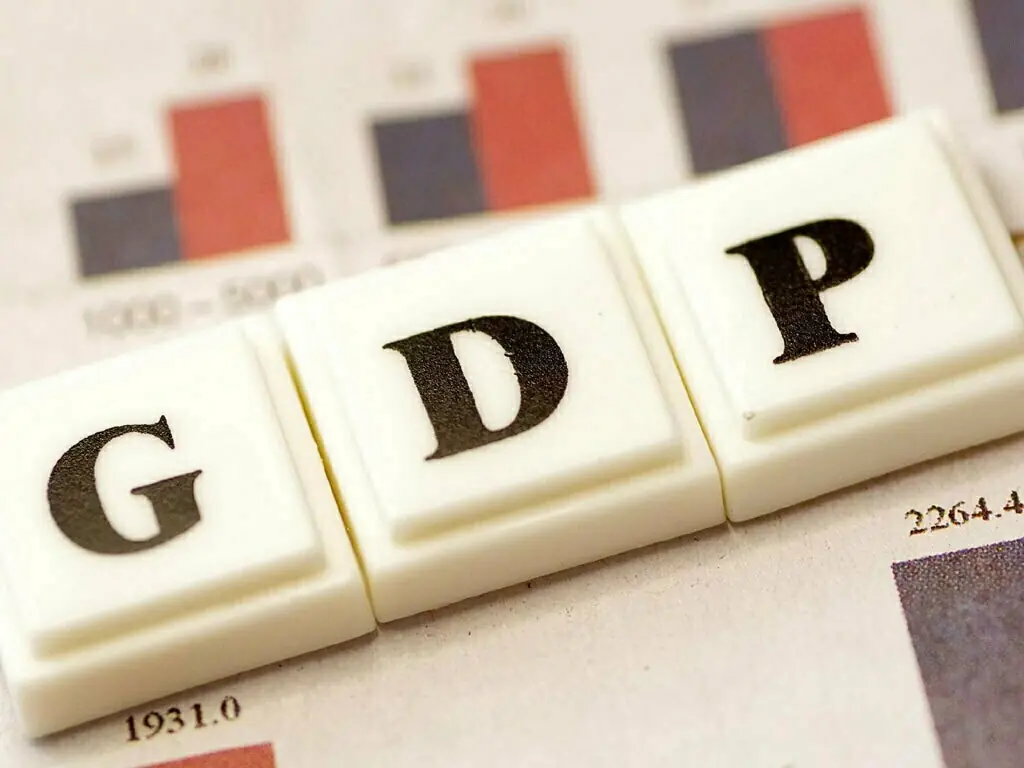

The overall fiscal position continues to improve. The government posted an overall budget deficit of 0.7 percent of GDP (Rs856 billion), while the primary surplus stood at 3.2 percent of GDP (Rs4.09 trillion). The primary surplus is the highest, and the fiscal deficit the lowest, in the past thirty years, and perhaps in history.
However, this does not mean the country is in a strong fiscal position. The improved numbers are largely due to excessive taxation of the formal sector, exceptionally high profits from the State Bank of Pakistan, and very high levies on petroleum products.
Another reason for the stellar performance is the unusually high negative statistical discrepancy, which stood at minus Rs444 billion (0.34 percent of GDP), the highest as a share of GDP since FY14. Interestingly, in the past, statistical discrepancies have remained high in negative territory whenever the PML-N, especially Dar, has been in control of fiscal matters.
After adjusting for these discrepancies, the overall fiscal deficit increases to 1.2 percent of GDP, while the primary surplus narrows to 2.7 percent of GDP.
Total consolidated fiscal revenues rose 10.7 percent in 9MFY26 to Rs14.8 trillion, while federal tax revenues grew 10.1 percent. On the other hand, provincial tax revenues performed reasonably well on a low base, rising 26 percent to Rs861 billion, though they still account for less than 10 percent of total tax revenues.
Non-tax revenues grew 9.5 percent to Rs4.7 trillion, making up almost one-third of total revenues. More than half of these non-tax revenues came from SBP profits, which transferred Rs2.4 trillion to the federal government, compared to Rs2.5 trillion last year. The government is increasingly relying on OMO injections, which have crossed Rs16 trillion. This is effectively note-printing, with the bulk of the debt-servicing cost being passed on to the central bank.
Growth in non-tax revenues is mainly coming from the petroleum levy, which increased 45 percent to Rs1.2 trillion. The government has not imposed GST on petroleum products, as more than half of GST revenue would have to be shared with provinces. Instead, it has replaced GST with the petroleum levy, which is not shared under the NFC Award. This explains its growing use. When oil prices were falling, this was a useful strategy. However, it is now adding unnecessary inflationary pressure and exposing the fiscal limitations of the federal government.
On the expenditure side, total spending declined 4.2 percent, mainly due to a fall in debt-servicing costs, which dropped 23 percent to Rs5.0 trillion. This is the main driver of the improved fiscal deficit and reflects the sharp decline in interest rates. However, rates have recently started moving up again, which could increase debt-servicing costs going forward.
The key challenge is to increase tax revenues by broadening the base. Despite sharply higher tax rates, FBR revenues have marginally declined as a share of GDP.
Another priority is to reduce core expenditure, excluding debt servicing and statistical discrepancies, which rose 15 percent to Rs11.2 trillion in 9MFY26. Defence expenditure increased 19 percent to Rs1.7 trillion amid higher regional tensions. The larger increase was in subsidies, mainly to the power sector, which rose 36 percent to Rs631 billion, almost double the federal PSDP.
Therefore, the better fiscal performance is not as strong as it appears, especially given the overreliance on the formal sector for tax revenues and the growing dependence on the petroleum levy.
Provincial revenues are growing, but their share remains too low, and provinces have failed to tax property and agricultural income according to their potential. At the same time, they continue to receive the lion’s share of revenues. Thus, Pakistan’s lopsided fiscal structure remains intact.























Comments