


Fed's Collins says rate hikes may be needed to quell inflation
Boston Fed President Susan Collins suggests potential interest rate hikes if inflation persists, citing the Middle East conflict and resilient demand as key factors delaying inflation's return to 2%.
- Potential for further interest rate hikes.
- Impact of Middle East conflict on inflation.
- U.S. economy's resilience and inflation outlook.
- Fed's changing stance on anticipated rate cuts.
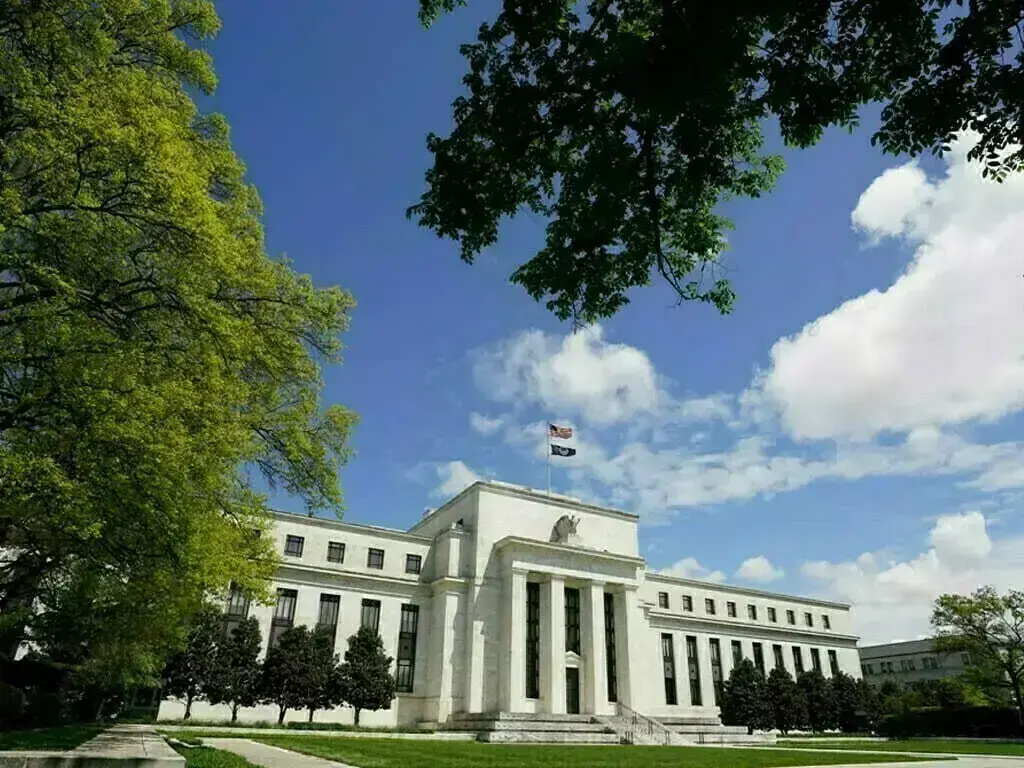
Boston Federal Reserve President Susan Collins said on Wednesday the U.S. central bank may need to raise interest rates if inflation pressures do not abate.
“While it is not in my most likely outlook, I could envision a scenario in which some policy tightening is needed to ensure that inflation returns durably to 2% in a timely manner,” Collins said in the text of a speech to be delivered to the Boston Economic Club.
Collins said a large part of the outlook for monetary policy comes down to how long the war in the Middle East lasts, noting that the longer the conflict goes on, the greater the risks become, particularly on the inflation front.
“I see the stance of monetary policy as well positioned to adjust to the evolving outlook and balance of risks,” said Collins, adding that “given this outlook and the balance of risks, I believe it will likely be important to maintain the current slightly restrictive monetary policy stance for some time.”
She said that while changes in the U.S. economy have left it better placed to withstand energy shocks, the fact that the latest round of upward inflation pressures has come on top of already persistently strong price pressures changes her outlook somewhat.
“More than five years of above-target inflation has reduced my patience for ‘looking through’ another supply shock,” Collins said, adding that it is critical in the current moment to keep inflation expectations in check.
Resilient economy
Collins warned that even a swift resolution of the U.S.-Israel war with Iran will leave global supply chains roiled and under pressure. And, “although the U.S. economy is relatively insulated, the longer the conflict persists, the greater the likelihood of more substantial negative spillovers,” she said.
The Boston Fed president said her current economic outlook points to “resilient demand,” “solid” growth and the prospect of a “modest” rise in unemployment in a job market currently defined by low-hire, low-fire conditions. Collins said she does not expect the current high levels of inflation to abate this year, though that could begin to happen in 2027.
She, however, noted “the likelihood of other scenarios - with higher and more persistent inflation, more adverse labor market outcomes, or both – has increased.”
Collins is not currently a voting member of the central bank’s rate-setting Federal Open Market Committee, which left its interest rate target range unchanged in the 3.50%-3.75% range at a policy meeting late last month.
Fed officials have backed away from expectations laid out in the spring that they could resume the rate cuts later this year, with inflation pressures tied to the war driving up inflation to well above the Fed’s 2% target.
The case for Fed policy easing was dealt another blow on Friday when data showed surprisingly strong job growth in April, which gave policymakers some space to focus on inflation. Meanwhile, some other Fed officials have flagged the possibility that higher rates may be needed to bring inflation back to the 2% target.














Comments