


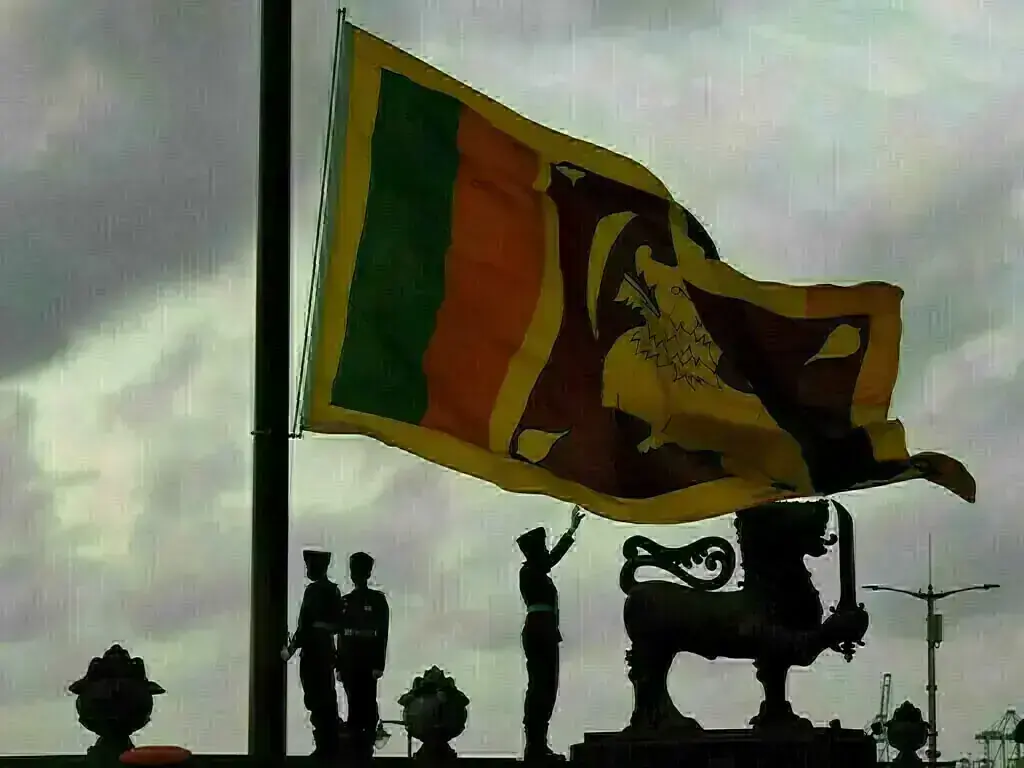
COLOMBO: Sri Lanka will increase electricity rates by up to 18 percent from Monday to offset the additional costs of generating power using thermal plants due to the Middle East war, the Public Utilities Commission said.
Consumers using more than 180 units (kilowatt hours) of electricity a month will have to pay an additional 18 percent from Monday, while those using less than that will not see their bills affected.
“The increase will apply to industries, hotels, businesses and government institutions and religious places of worship consuming more than 180 units a month,” the commission said in a statement Sunday.
The measure is the latest in a series of steps taken by the island nation following the war in the Middle East.
The latest hike comes on top of a 40 percent tariff increase introduced last month.
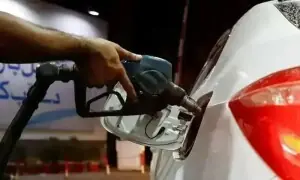
Sri Lanka has also raised fuel prices by more than 35 percent and rationed the same following energy supply disruptions.
Higher energy prices have pushed inflation to more than double, reaching 5.4 percent in April, according to official data.
Sri Lanka has been slowly emerging from the 2022 economic meltdown, when it ran out of foreign exchange reserves to pay for essential imports such as food, fuel and medicines.
It was hit hard by a cyclone last year that killed at least 643 people and affected more than 10 percent of the island’s population of 22 million.
The storm caused an estimated $4.1 billion in direct physical damage to buildings and agriculture, according to the World Bank.
The country has been stabilising its fragile economy with the help of a $2.9 billion IMF bailout agreed in early 2023, but high energy prices have posed a serious challenge to recovery efforts.










Comments