


Petroleum pricing: IMF's RSF inflows come with a cost
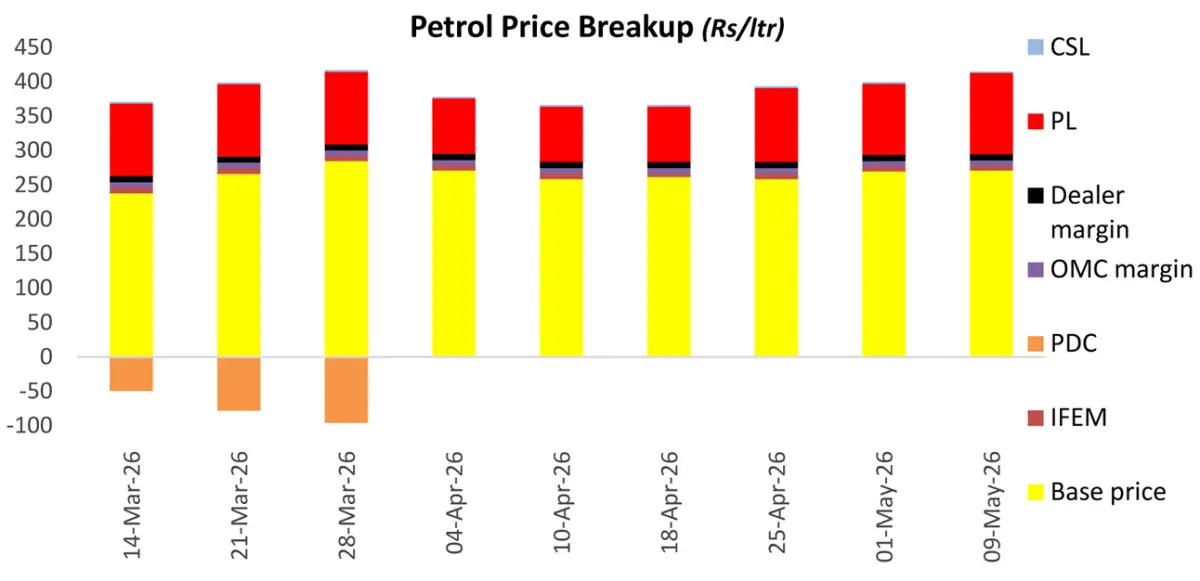
Pakistan's petroleum prices have surged to Rs415/litre, driven by global shocks and, crucially, structural taxation mandates from its IMF Resilience and Sustainability Facility program.
- Significant increase in Pakistan's petroleum prices.
- Government's struggle to absorb rising fuel costs.
- IMF's Resilience and Sustainability Facility (RSF) mandates.
- Fossil fuel taxation as a key IMF climate reform.
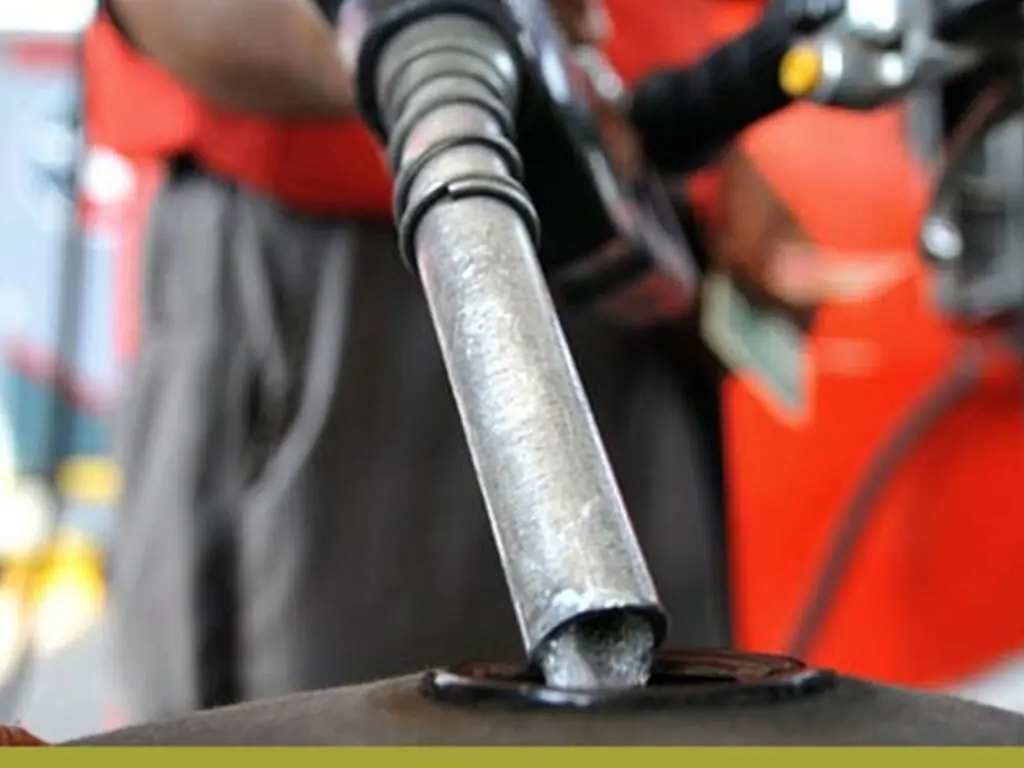

Petroleum prices have been revised upward again. Both petrol and HSD now sit at Rs415 per litre. Before the war, petrol was at Rs258. HSD at Rs275. That is not a rounding error. That is a structural shock.
The government tried to absorb the hit. For a month, it held prices artificially low — burning through close to Rs125 billion in the process. The calculation was simple: wait out the war. The war did not oblige. The buffers ran dry. Prices had to move.
Now come the familiar complaints. Pass on only the international price increase, people say. Strip out the duties. Strip out the levies. Look at what the neighbours are charging.
This comparison is lazy. Pakistan is not in the same position as its neighbours. It does not have the fiscal space. It does not have the external cushion. It does not have the luxury of choice. The buffers that would allow it to absorb price shocks — on both the fiscal and external fronts — simply do not exist beyond a very limited point.
But there is a more fundamental constraint. One that gets far less attention than it deserves.
Pakistan is currently under not one but two IMF programs. Most commentary focuses on the Extended Fund Facility. The second program — the Resilience and Sustainability Facility, or RSF — is quietly the more binding of the two in this context.
The RSF is not a conventional bailout. It is explicitly tied to climate-related reform. The IMF views fossil fuel taxation as a primary tool of that reform. This is not incidental. It is central to the facility’s design.
Pakistan has so far complied with only two of the 13 reform measures the RSF lays out. The road ahead is long. The Carbon Surcharge Levy introduced last year was a direct RSF conditionality. It is now set to double starting July 2026. The RSF also mandates a Petroleum Levy, at all times, on petrol, HSD, and furnace oil. There is no escape clause.
This is categorically different from a conventional EFF, where a government can theoretically trade off lower fuel taxes against spending cuts or revenue from elsewhere. Under the RSF, fossil fuels are the target. That pressure does not ease. It compounds.
Pakistan entered this program with full knowledge of what it entailed. Elevated fossil fuel taxation was part of the deal, and not a side effect of it.
So when Islamabad celebrates IMF board approvals and tranche releases under the RSF, the jubilation should come with a footnote. Those tranches are not grants. They are not goodwill. They are disbursements tied to a reform agenda — one that keeps fuel taxes structurally elevated for the foreseeable future.
The choice was made. The program was signed. The price trajectory was always baked in. There is no free lunch, and at Rs415 a litre, there is no pretending otherwise.




















Comments