


Fuel sales decline
OMC sales declined in April 2026 amid global oil supply disruptions and high prices. The government relies heavily on petroleum levies to address revenue shortfalls, despite public discontent and IMF pressure.
- Government's increasing reliance on petroleum levy for revenue.
- Decline in oil sales and FBR's significant revenue shortfall.
- Abolition of the petroleum levy cap and its implications.
- Strategies to meet stringent IMF program financial targets.
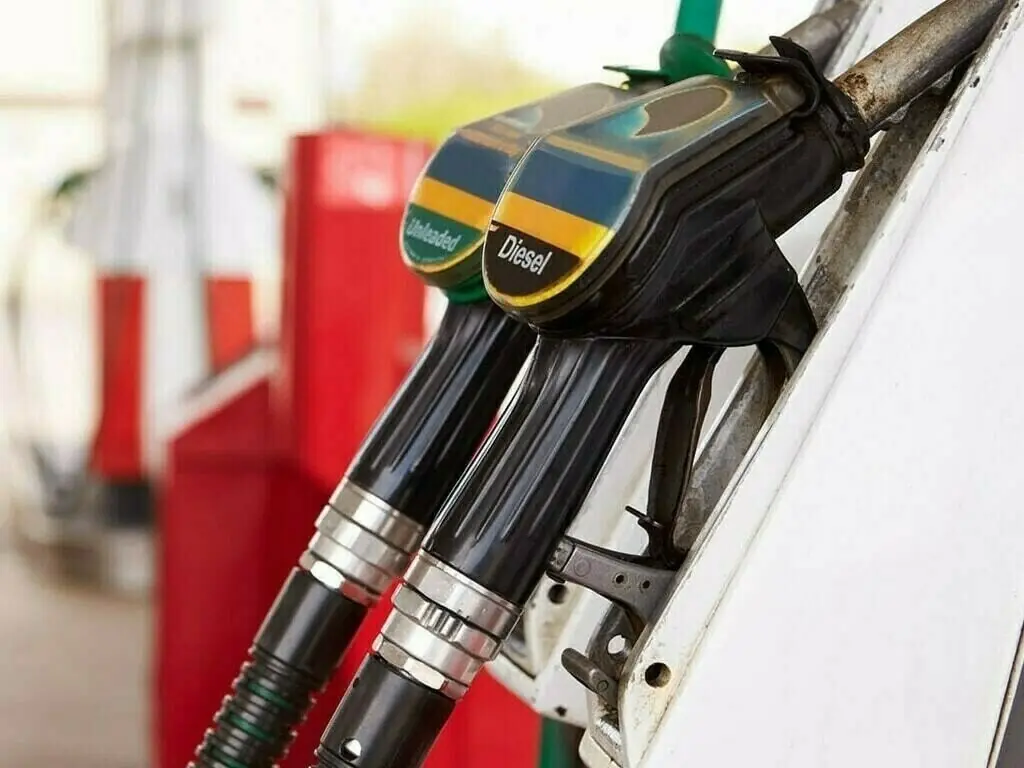
EDITORIAL: The Oil Marketing Companies April data reveals a 7 percent decline in sales year-on-year and a 6 percent decline from March 2026 due to global oil supply disruptions as a consequence of the ongoing Middle East war.
The impact of a rise in oil prices on householders no doubt contributed significantly to the decline in sales; however, what must be a source of serious concern to not only the authorities but also to the International Monetary Fund (IMF) that has consistently refused to phase out the harsh upfront conditions that could have eased the burden on the common man is the increasing reliance on petroleum levy as a revenue source by successive administrations for two reasons: it is not only easy to collect but is also not shared with the provinces even though it is a sales tax that is a component of the divisible pool.
This was widely believed to be the reason why the government introduced a presidential ordinance in April 2026, abolishing the Fifth Schedule of Petroleum Products (petroleum levy) Ordinance 1961, which had capped the levy. Today the only deterrent to raising the levy is visible public discontent which accounts for Prime Minister Shehbaz Sharif halving it to 80 rupees per litre from the 2 April levy announced a day earlier.
The budgeted total collection from the levy in the current year is a high of 1468.3 billion rupees – a 26 percent rise from the revised collections in the year before. Notwithstanding the supply disruptions compelling governments, including the Pakistan government, to raise prices the government by mid-April had collected between 1.234 trillion rupees to 1.33 trillion rupees, or over 90 percent of the budgeted collection. With more than two and half months remaining for the end of the fiscal year the collections under this head are likely to exceed the budgeted target. The question is why did the government think it appropriate to raise the levy form 80 rupees per litre to around 160 rupees per litre in early April?
The Federal Board of Revenue (FBR) budgeted to collect 14 trillion rupees is running a shortfall of 683 billion rupees July-April 2026 – a shortfall projected to rise during the remaining two months of the current fiscal year due to lower imports and sales as a result of the Middle East conflict.
The country is on an extremely rigid, harsh and upfront IMF programme and the pressure on the authorities to meet this shortfall either through existing measures or to begin implementation of the contingency measures (higher taxes on some items) agreed with the Fund must be immense. It would be safe to assume that seeing the healthy collections under petroleum levy led the authorities to up the levy, a low-hanging fruit, rather than to focus on the challenging task of raising direct taxes, which are based on the ability to pay principle, or widen the tax net.
In this context the Chairman FBR, Rashid Mahmood Langrial, convened an urgent internal meeting on 4 May to discuss new revenue mobilisation measures to overcome the shortfall. Business Recorder has been suggesting to successive administrations that the best way forward would be to slash current expenditure (not the development outlay which is cut during the year to meet the targets set by the Fund – a cut that is factored in at the time the budget is announced) that would not only reduce the need for borrowing (internally and externally) but also give time to the FBR to implement meaningful tax reforms that render the system fair, equitable and non-anomalous as well as leverage to negotiate a less harsh upfront IMF programme than at present.
Copyright Business Recorder, 2026




















Comments