


An endless nightmare in India
Jagtar Singh Johal, a Scottish Sikh activist, remains detained in India since 2017, despite UN experts condemning his treatment as psychological torture and a profound miscarriage of justice, reflecting deeper systemic issues.
- UN experts' condemnation of prolonged detention as psychological torture.
- Serious allegations of physical abuse and coerced confessions during custody.
- Implications for India's democratic institutions and treatment of minorities.
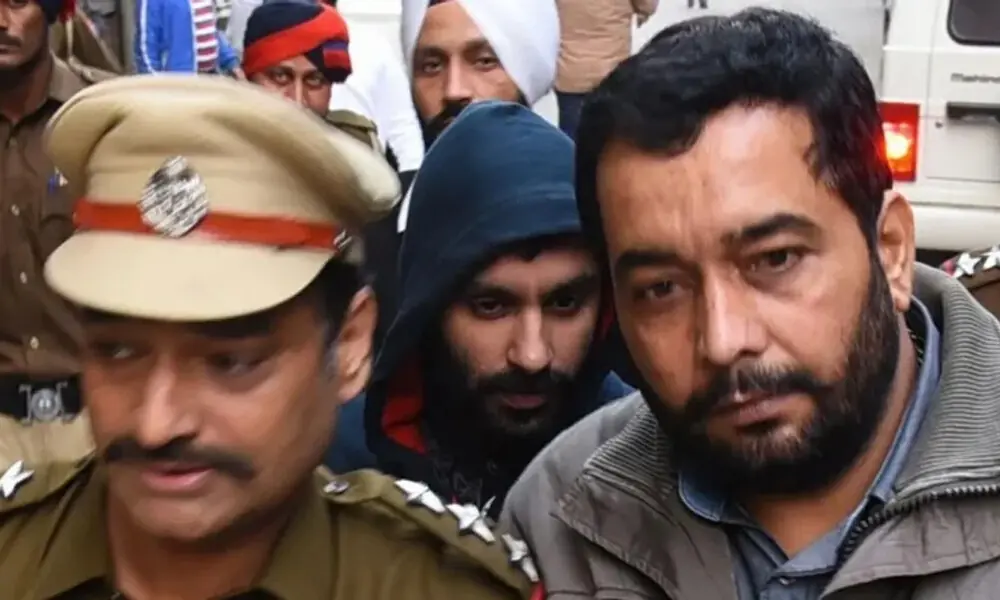
EDITORIAL: The prolonged detention of a Scottish Sikh blogger and activist Jagtar Singh Johal is emblematic of deeper structural concerns about governance and justice in India. The 39-year-old was arrested by Indian authorities in 2017, just weeks after his wedding, and has remained in custody ever since.
After nearly eight years in detention — despite acquittal in one case — and amid persistent allegations of torture, his continued imprisonment has drawn sharp criticism from UN experts, who now describe his treatment as a form of psychological torture and a “profound miscarriage of justice.” This is not routine diplomatic censure; it is a serious indictment.
It is difficult to view this case in isolation from the broader political climate under the far-right Hindu nationalist BJP government led by Prime Minister Narendra Modi. India’s democratic institutions have come under sustained strain in recent years, with growing concerns about judicial independence, the treatment of minorities, and the use of security laws to detain individuals for prolonged periods without resolution. Within this context, Johal’s case is less an aberration than a reflection of systemic erosion. Equally significant is the recognition by UN experts that prolonged uncertainty itself can amount to psychological torture. Years spent in detention without a clear resolution inflict severe mental suffering, eroding not only an individual’s well-being but also public confidence in the justice system. This is not a peripheral concern; it lies at the core of international human rights law.
To describe this situation as “justice delayed” would be to understate its severity. As the ten UN experts — independent human rights specialists appointed by the UN Human Rights Council, including members of the Working Group on Arbitrary Detention —make clear, this is a case of justice denied. The multiplication of near-identical charges, reliance on contested evidence, and the absence of accountability for credible allegations of torture collectively point to a process that has veered far from accepted norms of fairness and due process. Johal’s continued detention, despite the absence of a conclusive legal outcome, reinforces the view that the system is being used punitively rather than judiciously.
The allegations of torture—ranging from physical abuse, including electric shocks, to coercion into signing blank confessions and recording incriminating videos—are particularly alarming. Such acts constitute grave violations of both domestic protections and international human rights obligations. The failure to adequately investigate these claims only deepens the sense of impunity. The case also raises troubling questions about the treatment of minorities. Serious claims that Johal may have been targeted because of his Sikh identity demand transparent and impartial scrutiny.
The call by UN experts for Johal’s immediate release and the dropping of remaining charges is therefore not merely a legal recommendation; it is a test of India’s commitment to the rule of law. If ignored, it will further entrench concerns that justice in the so-called “world’s largest democracy” is no longer functioning as it should.
Copyright Business Recorder, 2026




















Comments