


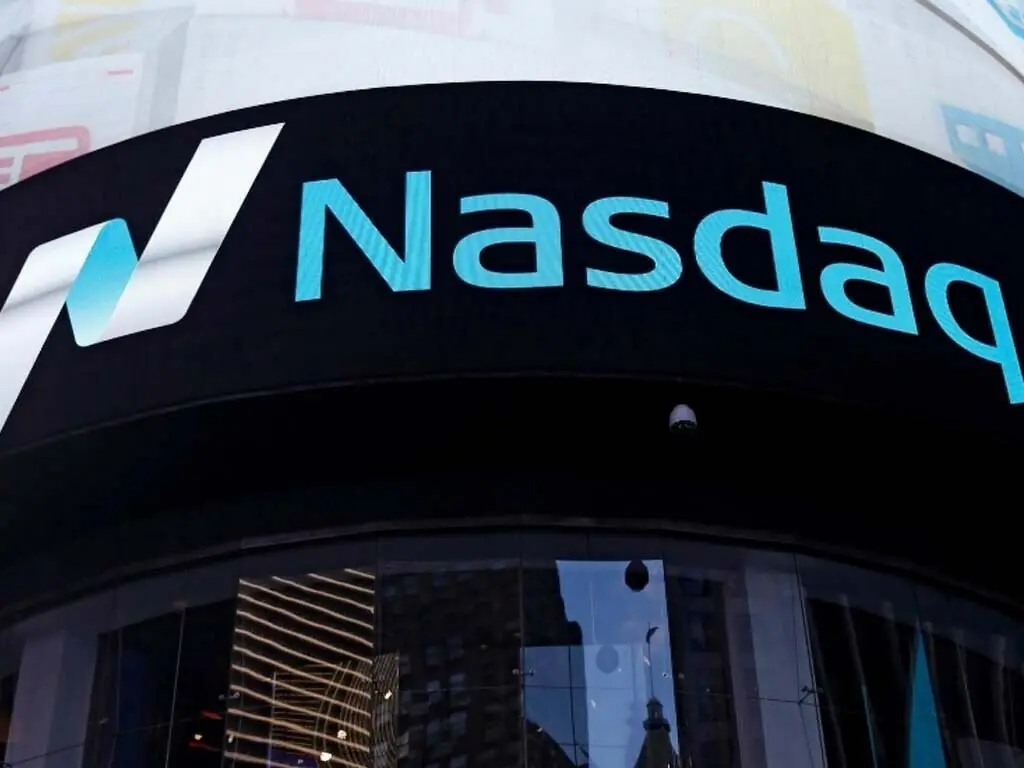

NEW YORK: The Nasdaq Composite fell on Tuesday, underperforming the benchmark S&P 500 and the blue-chip Dow, after a report that said OpenAI had missed its internal revenue target raised fresh concerns about the AI spending spree.
The Wall Street Journal reported that AI heavyweight OpenAI had missed internal targets for weekly users and revenue, and executives had raised concerns over the ChatGPT parent’s ability to support its massive spending on data centers.
Although OpenAI is privately held, its fortunes are closely tied to several major technology stocks. Its financial performance is often viewed as a gauge of AI demand and could have wide-ranging implications for public equity markets.
Shares of Oracle, whose reliance on OpenAI for its cloud computing ambitions has been under scrutiny, fell 4.1 percent.
Chip stocks also dropped, with Nvidia, AMD and Arm Holdings down 3.5 percent, 5 percent and 8.8 percent, respectively. Nvidia-backed CoreWeave slid 6.2 percent.
“Any misstep involving AI-related demand or capital budget expenditures from one of the four Magnificent 7 companies reporting Wednesday could easily give this market second thoughts about how far it has run in the past month,” wrote Dennis Follmer, chief investment officer at Montis Financial.
Amazon, Meta, Microsoft and Google-parent Alphabet are among several companies reporting results on Wednesday.
At 11:49 a.m. ET, the Nasdaq Composite dropped 357.34 points, or 1.44 percent, to 24,529.76. The S&P 500 slipped 55.80 points, or 0.78 percent, to 7,118.11, while the Dow Jones Industrial Average rose 60.16 points, or 0.12 percent, to 49,227.01.
The S&P 500 information technology sector slipped 2.2 percent, the biggest laggard on the benchmark. Six of the eleven major S&P sectors were in the red.
The Philadelphia SE Semiconductor Index dropped 4.7 percent and was on course for its second day of losses after an 18-day winning streak during which it gained 47.2 percent.
The US-Iran war remains an overhang on equities, shaping market sentiment even during the busiest week of the corporate earnings season this quarter. There are mounting concerns that the impasse in negotiations could keep oil prices elevated for longer.


























Comments