


10cc syringes banned: Kamal announces increased govt funding to deal with HIV challenge
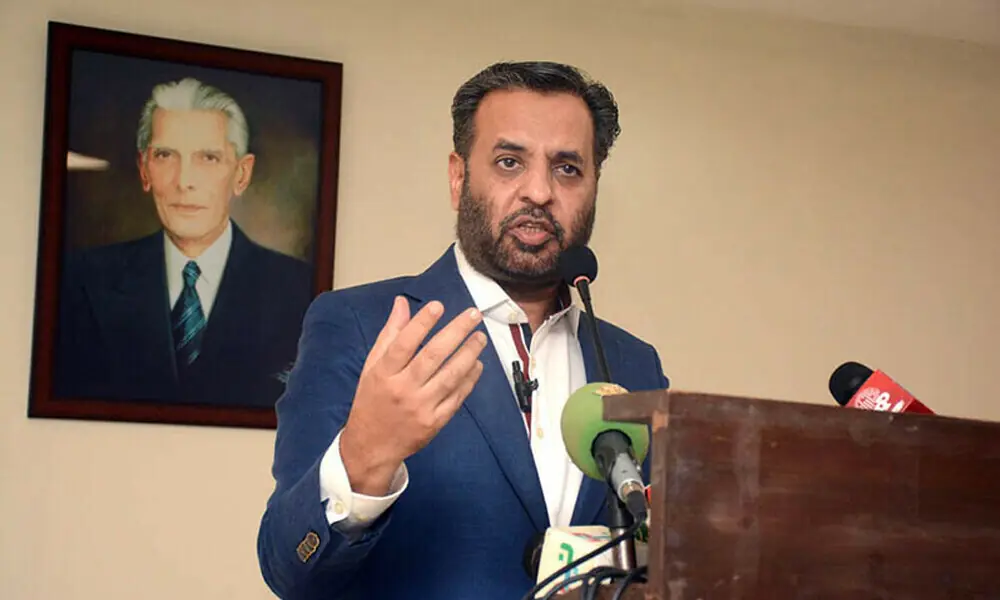

ISLAMABAD: Federal Minister for National Health Services and Regulations Mustafa Kamal on Tuesday announced increased government funding to tackle the spread of HIV in Pakistan and unveiled a nationwide ban on 10cc syringes as part of a broader “single-use only” policy.
Speaking at a press conference, the minister said the government would investigate alleged irregularities in global funds allocated to external bodies for HIV programmes, stressing that stricter monitoring was needed to ensure transparency and accountability.
“Pakistan today stands markedly different from its position two months ago, having effectively responded to challenges and strengthened its global standing,” he said, noting improvements in disease surveillance and treatment access.
Providing regional updates, he said that no new HIV cases had been recorded in Taunsa this year, while Islamabad accounted for 618 cases, including 208 local and 408 referred from other areas.
He said authorities would continue expanding screening services, improving transparency, and strengthening prevention and treatment nationwide.
He outlined the 2024-26 HIV programme, which received $65 million in funding. Of this, only $3.9 million was directed to the government, while $61.1 million went to the United Nations Development Programme (UNDP) and a private NGO.
He said the ministry had no access to detailed expenditure by these external organisations.
Highlighting progress in testing, Kamal said that in 2020, 37,944 people were screened at 49 centres, with 6,910 positive cases detected.
By 2025, he said that 97 centres conducted 374,126 tests, identifying 14,182 HIV-positive individuals. Currently, Pakistan has 84,000 registered HIV patients, 61,000 of whom are receiving treatment, while many cases remain untraced.
He stressed that HIV is a manageable condition with timely treatment, which also significantly reduces transmission risks.
He noted new long-acting treatments available every six or twelve months, while medications remain accessible only through government-designated centres.
The minister warned that expert estimates suggest up to 369,000 HIV cases could exist nationally, though the current prevalence rate is 0.1%, below the global average of 0.5%.
Investigations into past financial irregularities in global funding are nearing completion, he added.
He also highlighted reforms in Pakistan’s health sector, including restructuring the Pakistan Nursing and Midwifery Council to address the country’s nursing shortage and meet global demand.
He said Pakistan faces a deficit of 900,000 to 1.3 million nurses, while globally over 2.5 million are needed.
He outlined broader health initiatives, including integrated polio eradication campaigns, expansion of indigenous vaccine production with self-sufficiency targeted by 2030, and regulatory reforms to speed drug and medical device approvals.
The ministry has set a five-year pharmaceutical export target of $30 billion, building on current annual exports of around USD457-500 million.
He supported the target with regulatory reforms at the Drug Regulatory Authority of Pakistan (DRAP), which cut medical device registration timelines from 18-36 months to just 20 days and approved more than 500 devices.
“Achieving a polio-free Pakistan and strengthening our health sector requires modern, integrated strategies that address challenges head-on,” he said, citing recent immunisation campaigns targeting over 45 million children.
Copyright Business Recorder, 2026




















Comments