


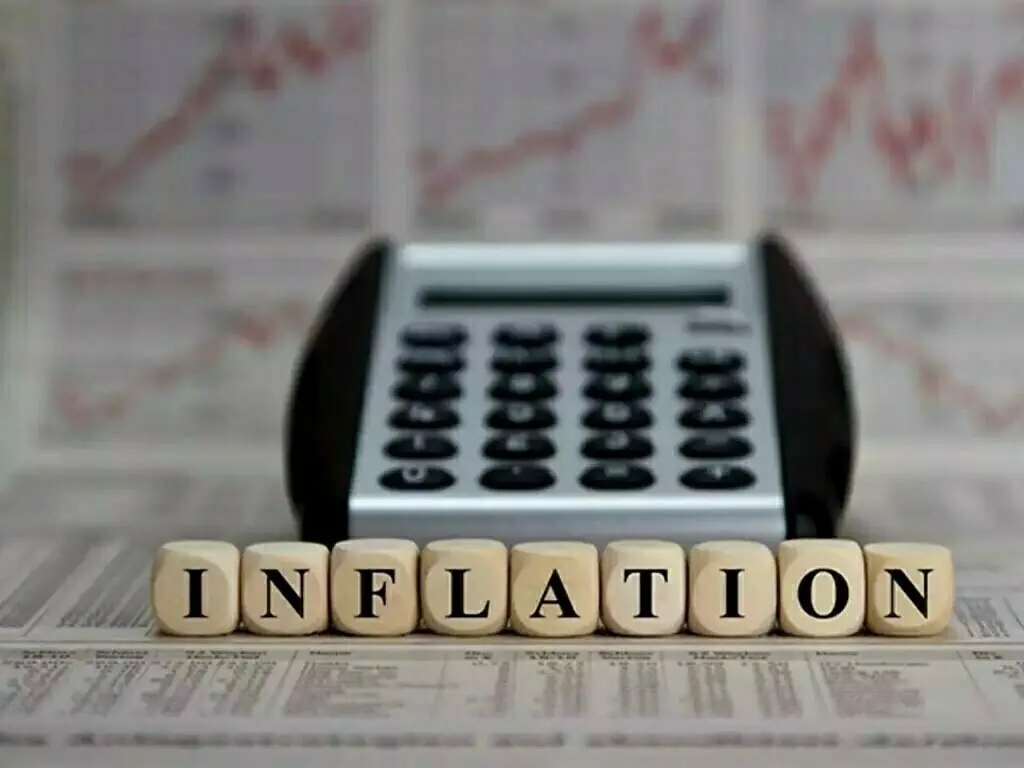

KARACHI: The State Bank of Pakistan (SBP) expects inflation to rise in the coming months and to remain above its 5-7 percent target range for most of FY27, driven by higher oil prices and their second-round effects.
The SBP mentioned that the current inflation spike is largely being driven by external energy prices and geopolitical developments, the central bank’s primary concern is the emergence of second-round effects, including pass-through into core inflation, broader price adjustments, and the risk of inflation expectations becoming unanchored. The tightening is therefore aimed at containing these risks early.
According to SBP, headline inflation rose to 7.3 percent in March, while core inflation also inched up to 7.8 percent.
Inflation was projected to increase up to the upper bound of the target range before the start of the Middle East conflict, mainly due to adverse base effect.
READ MORE: Pakistan’s fuel surge could push inflation over 15%, spark policy rate hike
Subsequently, the energy price shock has led to a surge in fuel prices, which have already begun to seep into core inflation via transport fares, though contained food inflation amidst ample supplies is likely to offset some of the impact on headline inflation.
Nonetheless, going forward, the MPC assessed that the current supply shock may push inflation to double digits in the coming months before it starts to ease subsequently. However, inflation is expected to stay above the upper bound of the target range of 5-7 percent for most of FY27.
The MPC noted that inflation outlook is subject to multiple risks, particularly the duration and intensity of the ongoing conflict, extent of pass-through of changes in global energy prices to domestic economy, and potential fiscal slippages.
The SBP said that while the current inflation spike is largely driven by external energy prices and geopolitical developments, its main concern is the emergence of second-round effects, including pass-through into core inflation, broader price adjustments, and the risk of inflation expectations becoming unanchored. Therefore, the policy tightening is aimed at containing these risks at an early stage.
Copyright Business Recorder, 2026



















Comments