


Dollar holds near 1-1/2-week high as Iran-US standoff persists
- The single currency is headed for a 0.4% decline in the week, its first drop in four weeks

HONG KONG: The dollar wobbled near a 1-1/2-week high on Thursday as a standoff between Iran and the U.S. in the Middle East war and lack of progress in peace talks pulled oil prices back above $100 per barrel, weighing on investor sentiment.
Tehran seized two ships in the Strait of Hormuz on Wednesday, escalating tensions after US President Donald Trump extended a ceasefire with Iran indefinitely with no sign of peace talks restarting.
The two sides now remain divided on a ceasefire, blockade, nuclear issues and control of the strait, leaving the strategic waterway still effectively shut and triggering an energy shock in a blow to economies across the world.
The euro was fetching $1.1712, having touched its lowest since April 13 earlier in the session. The single currency is headed for a 0.4% decline in the week, its first drop in four weeks. Sterling stood at $1.3497.
The Australian dollar was steady at $0.7165, not far from the four-year high it touched last week. The New Zealand dollar traded at $0.59045 . Against the yen , the US dollar nudged down 0.02% to 159.48 yen.
The dollar benefited in March on safe-haven demand as the war erupted but the prospect of a peace deal and a ceasefire at the start of this month spurred a risk-on rally, with the greenback giving up most of its gains.
The US dollar index , which measures the currency against a basket of six major peers, was at 98.644, near its highest level since April 13. The index is on track for a moderate 0.4% gain this week following two weekly drops.
“Despite Trump’s ceasefire extension, tensions remain elevated with Iran refusing to reopen Hormuz while US naval blockades persist, raising the risk of prolonged supply disruption,” Skye Masters, head of markets research at National Australia Bank, said in a note.
Tail risks are under-priced, and inflation pressures will linger well into year-end, Masters said.
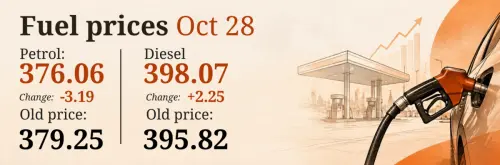
The nearly two-month war in the Middle East has led to soaring fuel prices, eroding consumer confidence to a record low and wiping out market pricing for rate cuts this year.
The U.S. Federal Reserve will wait at least six months before cutting interest rates this year, according to a Reuters poll of economists, as war-driven energy shocks reignite already-elevated inflation.
Focus will be on US weekly initial jobless claims and PMIs due to be released later on Thursday for clues on whether the impact of soaring energy prices is filtering through to the broader economy.



















Comments
Comments are closed for this article.