


India flips AB InBev from witness to target in antitrust probe, triggering court fight
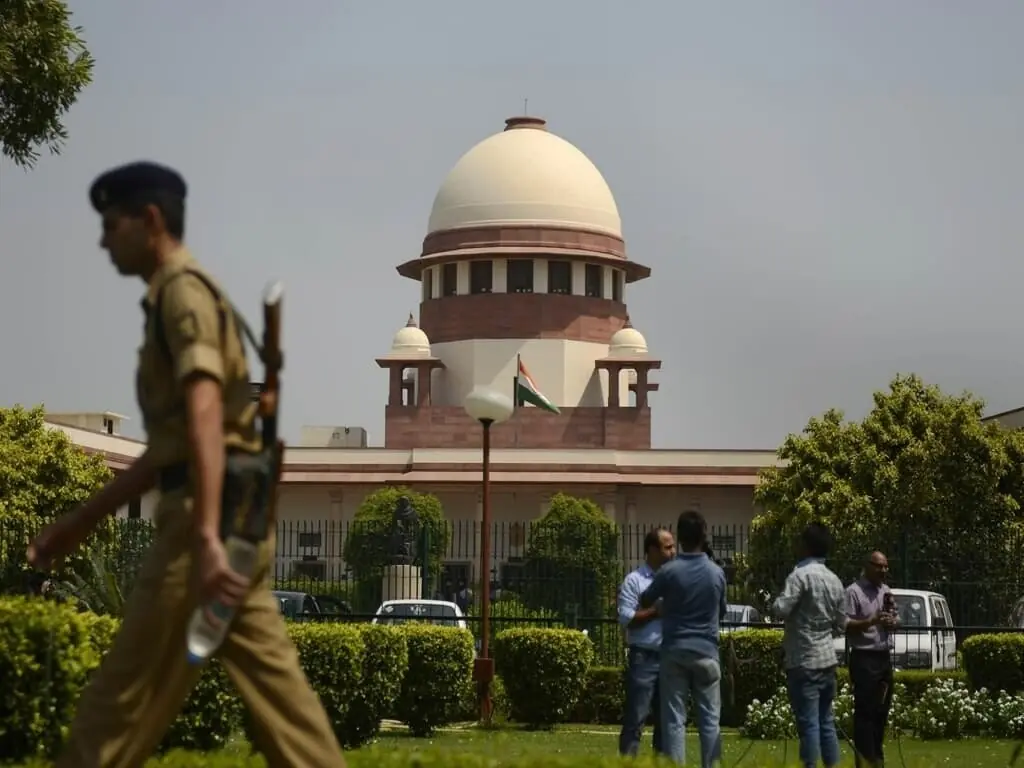

NEW DELHI: India’s antitrust agency has made Anheuser-Busch InBev a target of a cartel investigation after the world’s leading brewer cooperated for four years as a witness, leading to a court battle in which AB InBev has obtained a temporary injunction, according to two sources and documents.
Since 2022, the Competition Commission of India (CCI) has been investigating 42 alcohol retailers in Telangana, India’s largest beer consuming state, for allegedly forming a cartel to exclude AB InBev’s (ABI.BR), opens new tab rivals, leading to a surge in market share for the Belgium-based maker of beers including Budweiser and Corona.
Make sense of the latest ESG trends affecting companies and governments with the Reuters Sustainable Switch newsletter.
As part of the case, AB InBev was raided in 2024, but no other details have been previously made public in line with CCI’s rules on its investigation of alleged cartels.
AB InBev’s status in the case was changed from a third-party to “party under investigation” in November 2025, which was illegal as “no prior notice, hearing, or reasoned order preceded this drastic alteration,” the company said in a court filing that was reviewed by Reuters.
In a brief court hearing on April 16, a judge in southern Karnataka state put the investigation against AB InBev on hold, two sources with direct knowledge of the decision told Reuters.
The court order has not yet been made public, but one of the sources said the court took the decision as it saw merit in AB InBev’s concerns.
AB InBev, the world’s largest brewer, did not respond to Reuters requests for comment. Nor did the CCI. The sources declined to be named as the case details were confidential.
Making a company a “party under investigation” from a third-party is a significant change in any case and is done when investigators feel they have discovered some evidence against an entity, according to lawyers familiar with the process.
“Your rights of defence are compromised. Now the company needs to defend itself,” said Avaantika Kakkar, head of competition practice at Indian law firm Cyril Amarchand Mangaldas, which is not involved in the case.

























Comments