


ME conflict: agri sector hit hard by supply disruptions
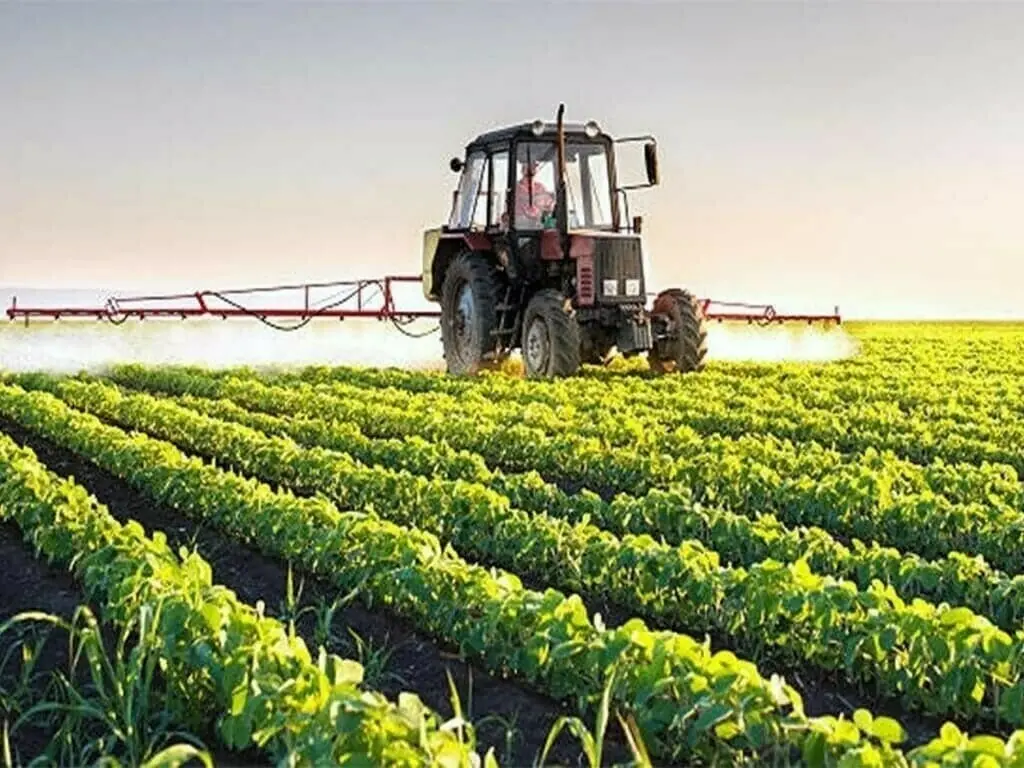

LAHORE: Agriculture and basmati rice trade have emerged as the worst-hit sectors following the recent Gulf conflict as supply chain disruptions in energy and agro-inputs threaten crop cycles across South Asia and beyond, industry stakeholders warned.
The global basmati trade which peaked at 6.85 million tons (combined exports of India and Pakistan) in FY2024-25 is now projected to decline to around 6.4–6.5 million tons. The downturn is primarily attributed to an estimated 9pc drop in Indian exports due to war-related disruptions, including delayed shipments, stranded cargoes, and higher ocean freight and insurance costs, and payment bottlenecks, particularly involving West Asian markets.
Analysts noted that Indian basmati exports to the region may partially recover in the first half of FY2026-27, contingent upon the resumption of oil imports from India, which could ease longstanding payment issues with Iran.
Hamid Malik, an agro-trade especially rice trade analyst told the Business Recorder that beyond trade flows, the conflict has triggered deeper concerns for agricultural production, particularly the upcoming Kharif season. Major rice-producing countries, including India, Bangladesh, and Thailand, are collectively projected to lose between 11 to 13 million tons of rice output, representing nearly 2.5–3pc of global production estimated at 560 million tons.
Although improved crop prospects in China, Indonesia, and Pakistan may provide limited relief, experts caution that a significant production gap is looming. The next two to three weeks are considered critical for summer rice sowing as timely availability of key inputs will determine yield outcomes.
“The situation hinges on the restoration of fertiliser, LNG, and diesel supplies through the Strait of Hormuz,” he said, adding that prolonged disruption could severely impact countries collectively known as the “global rice bowl.”
Fertiliser supply remains a central concern. Urea, a nitrogen-based fertiliser essential for vegetative growth, is heavily dependent on hydrocarbons. Its production requires hydrogen derived from natural gas (LNG) and nitrogen extracted from the atmosphere. Approximately 70pc of global urea or its feedstock LNG is sourced from the Gulf region.
With the exception of a few major producers such as China, Russia, Ukraine, and the United States, most countries, including India, Thailand, Vietnam, the Philippines, and several West African nations, rely on imports of either processed urea or LNG from the Middle East, Hamid added.
Copyright Business Recorder, 2026












Comments