


Developing countries in Europe, Central Asia face slowdown, World Bank says
- the conflict posed a substantial risk to the global economy, including developing and emerging countries
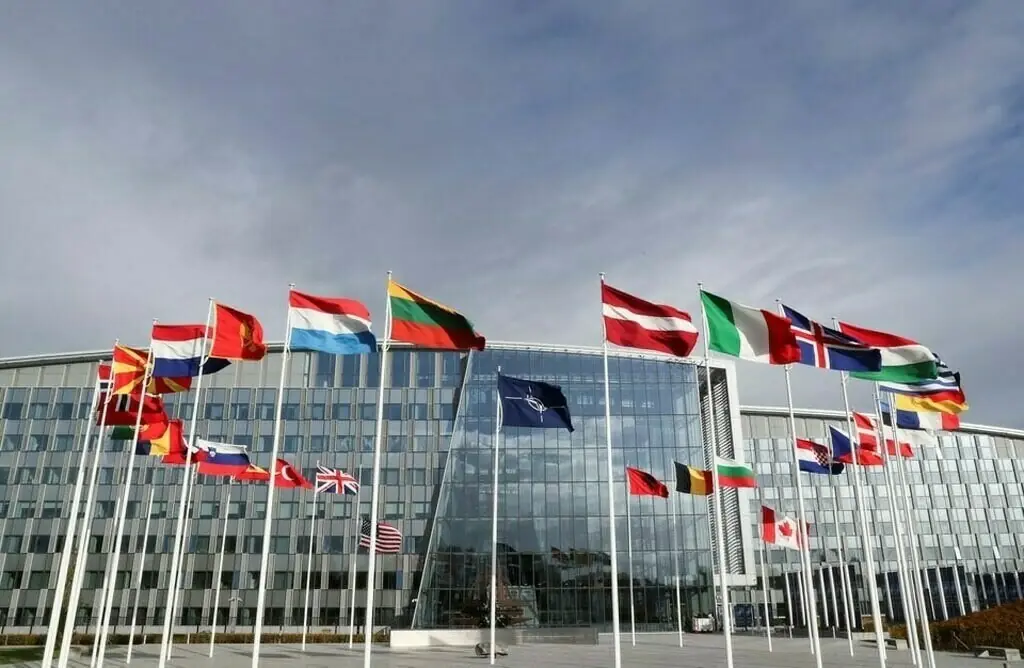

Emerging and developing economies in Europe and Central Asia face a sharp slowdown this year under a scenario of a large but temporary rise in energy prices from the conflict in the Middle East, the World Bank said on Wednesday.
The Iran war, which broke out in late February, has hit global oil supplies and sent prices soaring, lifting companies’ costs and hitting people at the fuel pump. Tehran and Washington agreed a two-week ceasefire late on Tuesday.
In an updated outlook, the World Bank said the conflict posed a substantial risk to the global economy, including developing and emerging countries in Europe and Central Asia.
The region includes nearly two dozen countries from Kazakhstan and Uzbekistan in Central Asia to European Union members Poland and Romania, Albania and Serbia in the Balkans, and Russia, Turkey and Ukraine.
World Bank slashes 2026 Middle East growth forecast after energy sector turmoil
While energy exporters are likely to benefit temporarily from rising commodity prices, most countries are energy importers and likely to face increased fiscal and current account pressure.
As a whole, growth across the region is expected to slow to 2.1% in 2026, from 2.6% in 2025. Growth would be a touch higher at 2.9% if Russia were excluded, the World Bank said in its report. In January, the World Bank forecast growth of 2.2% for this year.
The lender’s baseline scenario sees Brent oil prices averaging $88–$100 per barrel this year, as well as higher gas and fertiliser prices.
Russia’s growth is forecast to slow to 0.8%, from 1.0% in 2025, despite higher oil and gas prices, with fiscal space remaining narrow under Western sanctions on Moscow for its 2022 invasion of Ukraine.
“Any windfall gains from higher oil and gas revenues are likely to be used to contain the deficit, rather than finance additional spending,” the World Bank said.
World Bank says South Asia growth to slow to 6.3% in 2026 amid Middle East conflict
With the war continuing into a fifth year, Ukraine’s growth is expected to slow to 1.2% from 1.8% in 2025.
The lender sharply lowered its growth outlook for Turkey as higher energy and food costs weigh on consumption. Turkey’s economy is now expected to grow 2.8% this year, compared to 3.7% in the World Bank’s January report.
Polish growth was seen dipping to 3.1%. Both economies grew by 3.6% in 2025.




















Comments