



ISLAMABAD: The poverty level in the country increased by 7 percent between 2018–19 and 2024–25, with around 70 million people estimated to be living below the national poverty line.
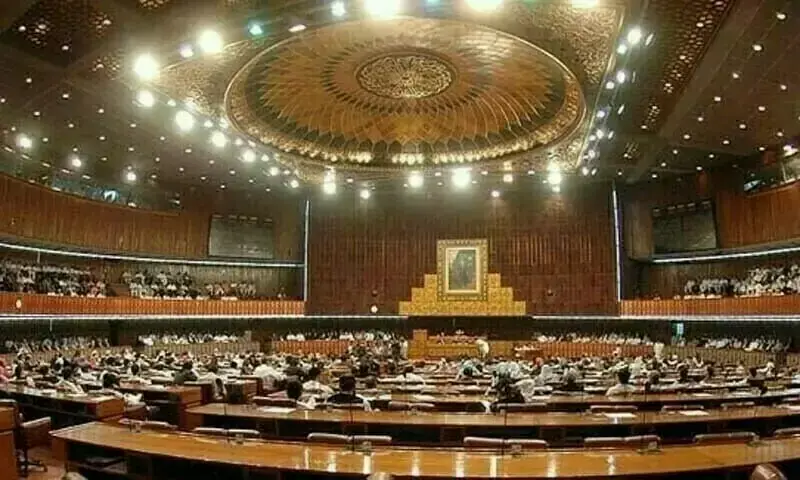
This was disclosed by senior Planning Commission officials during the meeting of the National Assembly Special Committee on Gender Mainstreaming held here on Tuesday under the chairpersonship of MNA Dr Nafisa Shah.
During the briefing, the Planning Commission provided information about the poverty measurement methodologies currently in use, with particular emphasis on the integration of gender-disaggregated data to support inclusive and evidence-based policymaking.
The chairperson of the committee observed that the data was extremely painful and deeply disturbing, noting with grave concern that nearly every second household appears to be living below the poverty line. She termed the situation alarming and called upon the Ministry to provide a comprehensive explanation for the sharp rise in poverty across the country, along with practical, result-oriented proposals aimed at poverty reduction and eventual eradication.
The committee further observed that rapid population growth has adversely affected service delivery mechanisms, thereby exacerbating the prevailing poverty situation on the ground. Members noted that the widening gap between available resources and the growing needs of the population continues to intensify socioeconomic vulnerabilities. The committee expressed concern over the institutional response and overall attitude of departments tasked with addressing poverty-related challenges, emphasising the need for greater coordination, efficiency, and responsiveness.
The members expressed concern that ongoing international developments and global economic uncertainties could further exacerbate poverty levels. They urged the relevant departments to adopt a proactive, solution-oriented approach and implement timely interventions to mitigate the anticipated impact. Special attention was also drawn to the adverse effects of climate change on livelihoods, food security, and economic stability, which disproportionately affect vulnerable populations. The Committee emphasised the need for climate-resilient policies and timely planning to address poverty-related challenges arising from environmental and climatic factors.
The Committee was briefed by the Additional Secretary, Ministry of Poverty Alleviation and Social Safety, and the Director General of the Pakistan Poverty Alleviation Fund (PPAF) on the organization’s performance, with particular focus on its outreach to women beneficiaries. The briefing highlighted PPAF’s vision, mandate, institutional structure, and its poverty graduation approach aimed at enabling vulnerable households, especially women and marginalized communities, to transition from dependency towards sustainable livelihoods and economic self-reliance. It was further informed that PPAF’s initiatives are aligned with the national development agenda, particularly in the areas of women’s empowerment, financial inclusion, social protection, and community-based development through livelihood support, skills development, microfinance, and social safety interventions.
During the discussion, the members raised critical questions regarding the effectiveness, transparency, and sustainability of PPAF’s interventions, particularly their impact on poverty reduction and women’s empowerment. The Committee sought clarity on the number of beneficiaries who had graduated out of poverty, the assessment criteria, and gender-disaggregated, district-wise data to evaluate outreach in rural and underserved areas.
After a detailed discussion, the Committee deferred further deliberation on the agenda item and decided that a comprehensive briefing by the PPAF, addressing the questions and concerns raised by the members, shall be arranged in a subsequent meeting. The committee also decided to undertake a visit to the relevant offices/field projects of PPAF to obtain first-hand insight into the implementation and impact of its programmes, particularly those concerning women beneficiaries and poverty alleviation initiatives.
The Committee deferred the briefing on Pakistan Bait-ul-Mal to the next meeting for detailed consideration.
The Committee constituted a Sub-Committee under the convenorship of Shaista Pervaiz, MNA. The sub-committee shall comprise Shahida Rehmani, MNA; Shahida Begum, MNA; Munaza Hassan, MNA; and Senator Khalida Ateeb. The Sub-Committee was tasked to review the issues raised during the briefing, undertake the proposed visit, and submit its recommendations to the main Committee for further deliberation.
Copyright Business Recorder, 2026




















Comments