


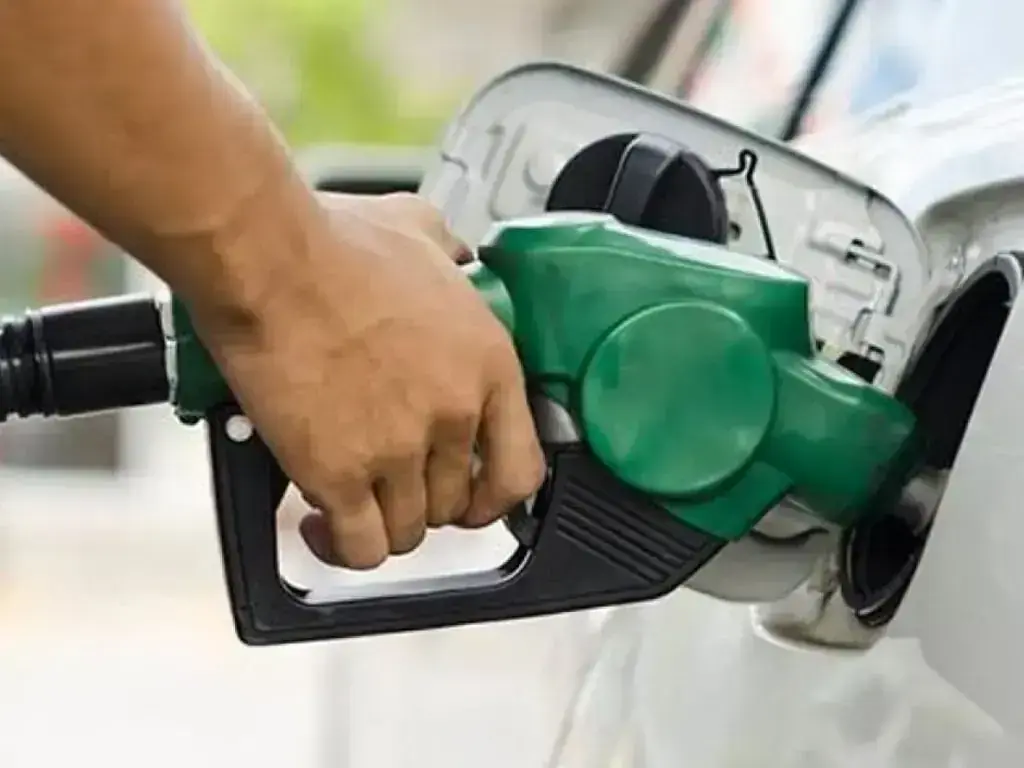

There is a moment in every crisis that defines a leader. For Prime Minister Muhammad Shehbaz Sharif that moment has stretched across the past three weeks. Global oil markets spiralled into their worst turbulence in decades, and Pakistan’s economy found itself caught in the crossfire of a storm it did not start. The PM’s response, to put it simply, has been extraordinary.
It started with a decision that most leaders would have struggled to justify. As oil prices climbed day after day, fuelled by the escalating conflict in the Middle East, PM Shehbaz Sharif made a clear directive: not a single rupee of the additional cost would be passed on to the public. The government stepped in and bore Rs 129 billion from its own coffers to keep prices stable, shielding households, farmers, and small businesses during the sacred Eid period and beyond.
Now consider what was happening in the rest of the world. Countries with far larger reserves and far stronger currencies were imposing emergency fuel rationing. Citizens in multiple nations stood in petrol lines stretching for kilometres. And in Pakistan? Not a single fuel station ran dry. Not a single supply line was disrupted. This was not a stroke of luck. This was the direct result of PM Shehbaz Sharif’s hands-on style of governance. He demanded daily situation reports from the Petroleum Ministry. He ensured proactive coordination with refineries and importers. And he made it clear that the people of Pakistan would not suffer while the world around them did.
When oil prices crossed all historical benchmarks and the fiscal burden became untenable even for the national exchequer, the Prime Minister did not retreat behind closed doors. Instead, he took a step that has few precedents in Pakistan’s political history. He brought together the leadership of all four provinces, Gilgit-Baltistan, and Azad Jammu and Kashmir, alongside the federal government, to craft a nationally unified response to the petroleum crisis.
What emerged from this national consultation was a comprehensive, targeted relief programme that showed both fiscal responsibility and genuine compassion. Motorbike owners, the backbone of Pakistan’s working class, received a Rs 100 per litre subsidy. Small and large trucks received monthly assistance of Rs 70,000. Public transport buses were allocated Rs 100,000 per month to prevent fare hikes that would have hit the poorest commuters hardest. Small farmers received Rs 1,500 per acre to ease the crushing weight of rising input costs. Economy-class railway fares were frozen entirely.
And yet, even after mobilising this national response, PM Shehbaz Sharif felt it was not enough. On Friday night, in a televised address that reflected both the gravity of the moment and the depth of his concern for ordinary Pakistanis, he announced an immediate Rs 80 per litre reduction in the petroleum levy on petrol. The price dropped from Rs 458 to Rs 378 per litre, effective midnight. He also extended the salary sacrifice of Federal Cabinet members from two months to six months, with every rupee going straight to the national exchequer.
It is a deeply personal, compassionate, and systematic engagement with the daily struggles of 240 million people. From the very first day the Middle East crisis began rattling global fuel markets, PM Shehbaz Sharif took ownership. Without waiting for the crisis to overwhelm the nation, he moved early to secure supply lines. He absorbed the fiscal shock so families could celebrate Eid. He called an unprecedented national consultation when things escalated further. And when even that proved insufficient, he cut the levy by Rs 80 because he believed, firmly, that the burden on the common man must be reduced by every available means.
Pakistan faces uncertain weeks ahead as the Middle East conflict continues to shake energy markets. But its people can draw strength from a simple truth: they have a Prime Minister who has shown, time and again, that he will not stand by while they suffer. PM Shehbaz Sharif is a man of action in a time of crisis, and his record over the past three weeks speaks for itself.
Copyright Business Recorder, 2026
The writer is a senior poverty reduction specialist based in Paris




















Comments