


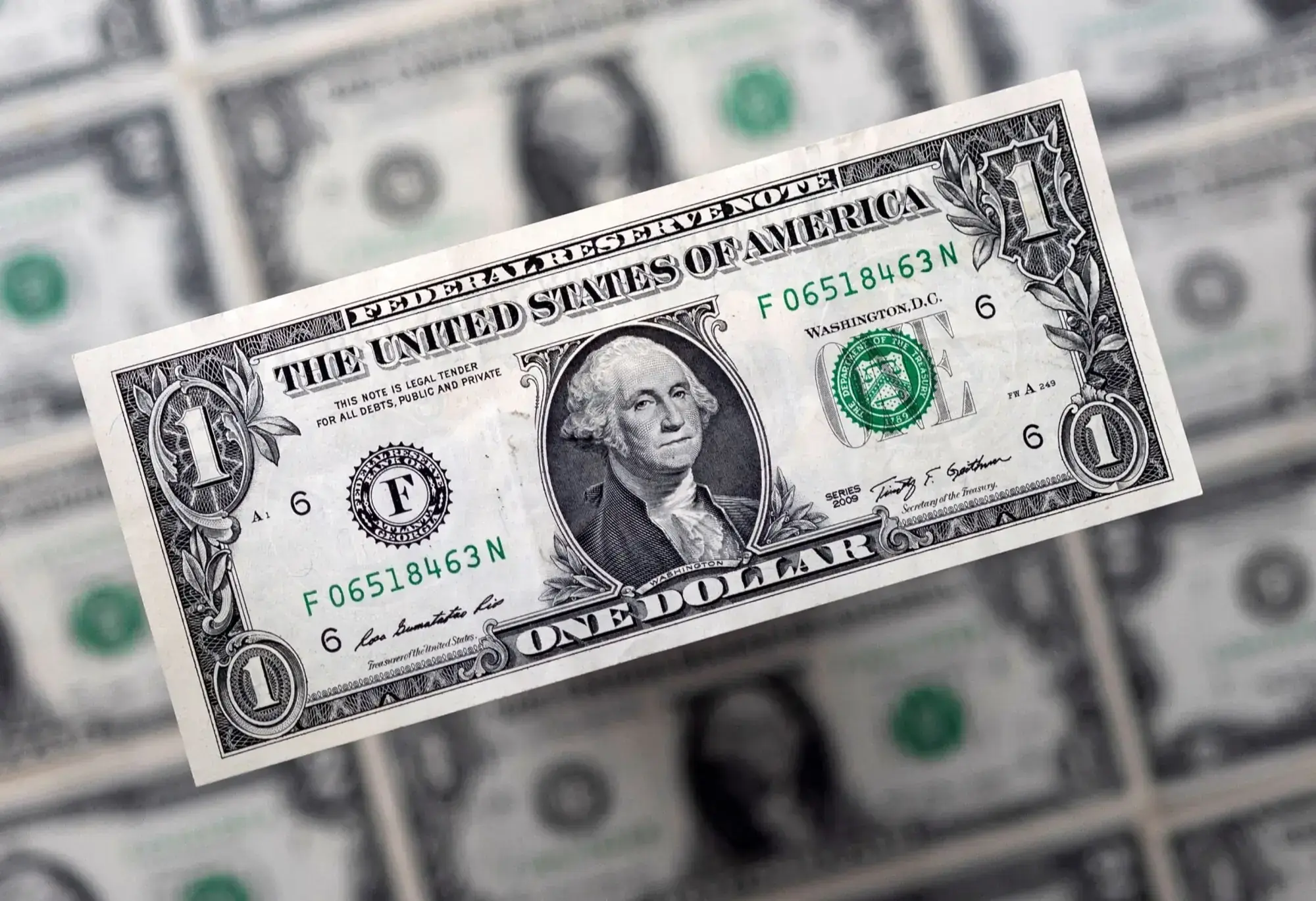

NEW YORK/ SINGAPORE: The US dollar fell on Monday, while the yen flirted with the crucial 160 per dollar level, as investors took stock of the escalating Iran war, with all eyes on the latest deadline from US President Donald Trump to reopen the Strait of Hormuz.
In an expletive-laden Easter Sunday social media post, Trump threatened to target Iran’s power plants and bridges on Tuesday if the strategic waterway is not reopened, setting a precise deadline of 8 p.m. Eastern Time (0000 GMT Wednesday).
“Every new ultimatum makes the disruption look longer, stickier and more macro-negative,” said Charu Chanana, chief investment strategist at Saxo in Singapore.
However, investors were also left weighing the possibility of a ceasefire after a media report suggested a last-ditch push from negotiators was underway.
The euro was at USD1.1563, while sterling last fetched USD1.326. The dollar index, which measures the US currency against six others, edged down to 99.809. With many Asian and European markets closed on Monday, liquidity is likely to remain thin.
The Australian dollar was 0.7 percent higher at USD0.6932, wobbling near last week’s two-month low. In the kind of mixed messaging that has baffled supporters, foes and financial markets alike, Trump told Fox News on Sunday that Iran was negotiating, with a deal possible by Monday. Axios reported that the US, Iran and regional mediators are discussing terms of a potential 45-day ceasefire that could lead to a permanent end to the war.
Global markets have been rattled since the US-Israel war against Iran broke out at the end of February, with Tehran effectively closing the Strait of Hormuz, through which about a fifth of the world’s total oil and liquefied natural gas passes.
“If the US escalates, expect global markets to reprice sharply,” said Prashant Newnaha, senior rates strategist at TD Securities.
The Hormuz closure has pushed oil prices well above USD100 per barrel, stoking fears of high inflation and upending the outlook for interest rates across the world. Worries about the hit to economic growth have also weighed as stagflation risks swirl.
Traders are now no longer pricing a rate cut from the Federal Reserve until well into the second half of 2027, compared with expectations of two reductions in 2026 at the start of the year.
The Japanese yen was nearly flat at 159.455 per US dollar, not far from the 21-month low hit last week as traders watch for indications of Tokyo intervening in the wake of strong warnings from officials in the past few days.
Japanese Finance Minister Satsuki Katayama on Friday put currency traders on notice, saying the government stands ready to act against speculative moves in foreign exchange markets as volatility has risen “significantly.”
Still, many doubt the firepower of any intervention at a time when geopolitical turmoil in the Middle East is fueling relentless demand for the safe-haven dollar. The yen is down 1.5 percent since the war started, stuck close to the 160 level.
“The conditions for material intervention to support the yen by Japanese officials do not appear present and the market does not appear to have given up on fishing for the official pain threshold,” said Marc Chandler, chief market strategist at Bannockburn Global Forex, in a research note.




















Comments