



The latest spike in global oil prices—triggered by escalating tensions in Iran—has once again exposed a structural weakness in Pakistan’s economy: our dependence on imported fuel. Every geopolitical tremor in the Middle East translates, almost immediately, into pressure on Pakistan’s balance of payments, inflation, and electricity tariffs. This time should be no different—unless we choose to respond differently.
Pakistan’s vulnerability is not abstract—it is measurable. Energy imports already account for a significant share of the country’s import bill, and analysts estimate that sustained high oil prices could add $8–9 billion to annual imports. At the same time, a large portion of Pakistan’s power generation remains tied to imported fuels such as furnace oil, LNG, and coal, making electricity tariffs highly sensitive to global price movements and exchange rate fluctuations.
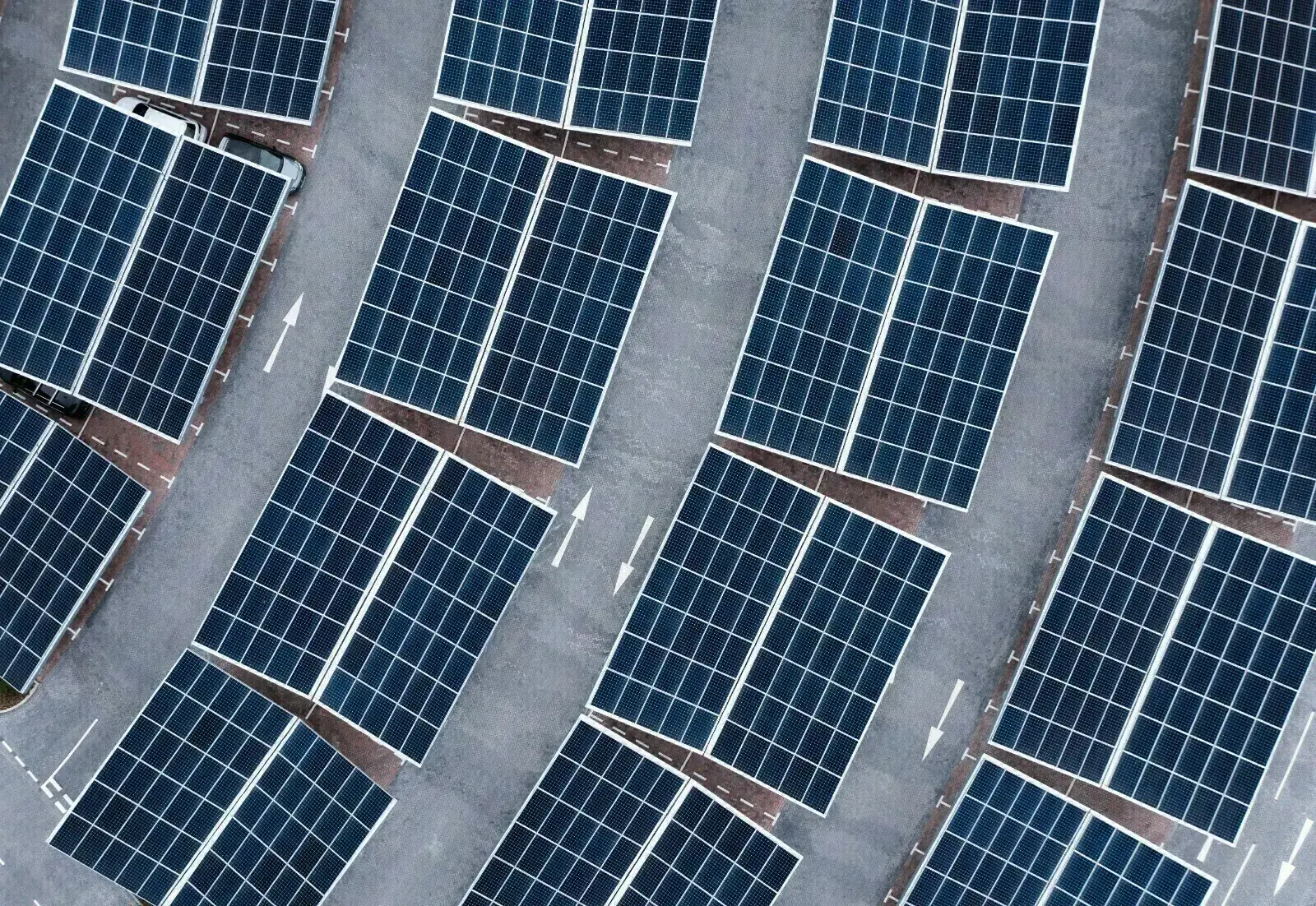
There is a growing tendency to view rooftop solar as a complication for the power sector: a source of revenue erosion for distribution companies, a contributor to grid instability, or an unfair advantage for higher-income consumers. But this framing misses the larger picture. In moments like these, solar is not a problem to be managed—it is a strategic asset to be deployed.
In fact, solar is already scaling rapidly. According to official data, Pakistan has installed over 2,800 MW of net-metered rooftop solar, while total distributed (net-metered and off-grid) solar capacity is estimated to exceed 6,500 MW. This expansion has begun to materially impact grid consumption patterns, with distribution companies reporting slower growth—and in some cases decline—in unit sales. Rather than resisting this shift, policymakers should seek to shape it.
Pakistan’s energy challenge is not merely one of generation; it is one of vulnerability. Our electricity tariffs are deeply tied to imported fuels and the exchange rate. When oil prices rise, the impact cascades through the system—fuel price adjustments increase, subsidies come under strain, and circular debt expands. The burden ultimately falls on consumers and the state. Rooftop solar, by contrast, offers a rare escape from this cycle: a one-time capital investment that displaces decades of imported energy costs.
This is why the current oil shock should be seen as an opportunity to accelerate distributed solar—not cautiously, but deliberately.
The first and most urgent requirement is policy stability. In recent years, uncertainty around net metering and the transition to net billing has created hesitation among households and businesses alike. While there are legitimate concerns about cross-subsidies and grid cost recovery, frequent policy shifts risk undermining investor confidence at precisely the moment when adoption should be accelerating. A clear, multi-year framework—transparent, predictable, and consistently applied—is essential.
Second, the focus must shift from volume to value. The objective should not be to maximize solar capacity indiscriminately, but to maximize its economic impact. This means prioritizing segments where solar displaces the most expensive marginal energy: industrial users, commercial buildings, and public-sector facilities with high daytime consumption. In these sectors, solar does not merely reduce bills—it improves competitiveness, preserves foreign exchange, and strengthens the economy’s productive base.
Third, the conversation must move beyond panels to systems. One of the central criticisms of rooftop solar is that it exports surplus power during the day while relying on the grid at night. The answer is not to discourage solar adoption, but to encourage storage. Batteries—still relatively expensive—are the missing piece that can transform rooftop solar from a private cost-saving tool into a grid-supporting asset. Targeted financing, time-of-use tariffs, and hybrid system incentives can accelerate this transition.
Fourth, Pakistan must rethink how it allocates its limited fiscal space. Each year, significant resources are spent cushioning the impact of rising fuel costs through subsidies. Yet these subsidies have often exceeded Rs 1–2 trillion annually in recent years when including power and petroleum support mechanisms. While politically expedient, this approach does little to address the underlying problem. Redirecting even a portion of these funds toward solar adoption—through concessional financing, credit guarantees, or targeted support for small and medium enterprises—would yield far more durable benefits. It would reduce future import dependence rather than simply delaying its impact.
Fifth, grid infrastructure cannot be an afterthought. As distributed generation scales, investments in smart metering, feeder upgrades, and system management become critical. Pakistan’s own renewable energy targets—30% of electricity generation from renewables by 2030—will not be achievable without parallel investment in transmission and distribution systems. Without these upgrades, solar growth risks triggering technical constraints and policy backlash. With them, it can enhance resilience and efficiency.
Finally, there is an industrial dimension that should not be overlooked. The global energy transition is not only reshaping how energy is produced—it is reshaping supply chains. Pakistan has an opportunity to build capabilities in solar assembly, components, and potentially storage systems. Done right, this could turn a defensive response to an oil shock into a broader strategy for industrial growth.
None of this requires a radical reinvention of policy. It requires a shift in perspective.
Rooftop solar should not be viewed through the narrow lens of utility revenues or short-term tariff impacts. It should be understood as part of a broader national strategy to reduce vulnerability to external shocks. Every unit of solar power generated domestically is a unit of fuel not imported, a dollar not spent, and a risk not taken.
Pakistan has faced repeated energy crises over the past two decades. Each time, the response has been reactive—focused on managing shortages, stabilizing prices, or securing new supply. This moment offers a chance to be proactive.
If we treat this oil shock as a temporary disruption, we will respond with temporary measures. If we recognize it as a signal of a deeper structural challenge, we can use it to drive lasting change.
Solar will not solve Pakistan’s energy problems on its own. But it can, if properly harnessed, reduce their severity, frequency, and cost.
The question is not whether Pakistan can afford to accelerate solar adoption.
It is whether, in a world of rising energy uncertainty, it can afford not to.

















Comments