


Indian rupee slumps to record low past 94/USD, set for worst fiscal in more
- Indian rupee declined 0.9% to end at 94.8125 after hitting an all-time low of 94.84 per dollar
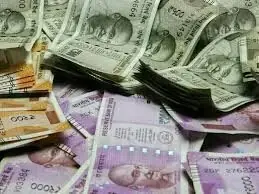
MUMBAI: The Indian rupee plunged to a record low on Friday, sliding past the 94-per-dollar mark, with mounting worries over the energy crisis sparked by the Middle East war putting the currency on track for its worst fiscal-year drop in more than a decade.
The Indian rupee declined 0.9% to end at 94.8125 after hitting an all-time low of 94.84 per dollar. The Asian currency has fallen about 4% since the Iran war began at February end, and is down 11% this fiscal year.
India’s fiscal year runs from April to March.
The last comparable drop was in 2011-12, when a global risk-off due to worries over euro zone debt levels alongside weakness in India’s current account and foreign capital flows yanked the Indian rupee 14% lower.
The Middle East conflict, the most severe energy supply disruption in decades, has sent oil prices soaring and curtailed key exports from the Middle East, with spillovers ranging from cooking gas to household plastics.
Markets were on tenterhooks after U.S. President Donald Trump’s extension of a deadline for Iran to open the Strait of Hormuz, a key artery for global energy supply, was unable to calm oil prices, which hovered near $110 per barrel.
The conflict has pummelled global equities and sent bond yields higher, with investors fretting over inflation and the hit to government finances.
Analysts have shaved growth forecasts for India, pencilled in weaker forecasts for the Indian rupee, and some expect rate hikes by the Reserve Bank of India over the next 12 months.
For India, the “problem is that neither the government nor households currently have much financial cushion,” Sanjay Mathur, chief economist for Southeast Asia and India at ANZ said in a note.
“This would necessitate a higher fiscal deficit or a reduction in capital spending. We think that the cuts are likely in capital spending, as in the other economies.”
India has slashed excise duties on petrol and diesel to protect consumers and rein in a potential spike in inflation and imposed windfall taxes on aviation fuel and diesel exports.
On Friday, India’s benchmark equity index, the Nifty 50, fell 2%, while the yield on the 10-year benchmark bond rose seven basis points to 6.94%.
Societe Generale recommends shorting the Indian rupee, with a target of 96 per dollar.
“RBI interventions look to be less aggressive, and market chatter is turning to the need for FX reserves to be drawn down sparingly. The RBI’s focus looks to have shifted towards capping the 10y IGB yield below 7% while letting FX gradually depreciate,” the firm said in a note.
State-run banks were spotted offering dollars on Friday but their presence was quite mild, a trader at a private bank said.

















Comments
Comments are closed for this article.