


China’s Sinopec will not buy Iranian oil, wants to tap state reserves
- The company is cutting runs by 5% because of the disruption
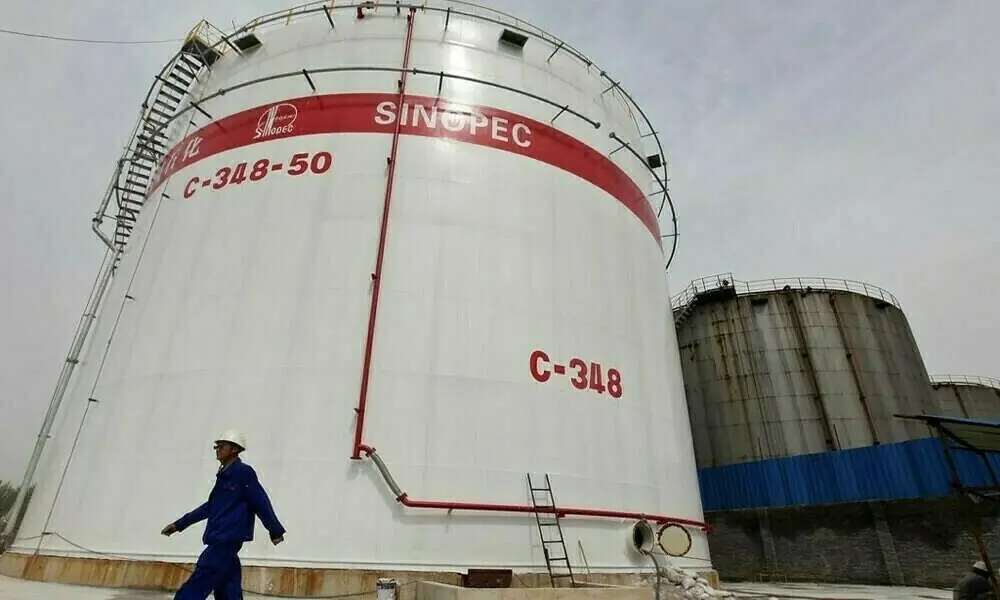
China’s state-run refiner Sinopec does not intend to buy Iranian oil but is pushing for permission to tap state reserves, a senior executive said on Monday, days after the United States waived sanctions for buyers of some Iranian crude.
The world’s largest refiner usually sources roughly half of its crude oil needs from the Middle East, making it particularly exposed to the near-closure of the Strait of Hormuz amid the U.S.-Israeli war on Iran.
Sinopec President Zhao Dong told a results briefing that this month the company is cutting runs by 5% because of the disruption. For April and May, Sinopec will make dynamic adjustments to refinery production and strive to boost refining yields to ensure domestic supply.
US allows 30-day sale of Iran oil at sea in bid to tame prices
Zhao said Sinopec is buying Saudi oil from the Red Sea port of Yanbu, receiving “far more” oil from Yanbu than its competitors, and sourcing from outside the Middle East.
US waiver complications
To ease the global supply crunch, U.S. Treasury Secretary Scott Bessent issued a 30-day sanctions waiver on Friday for any Iranian oil already at sea, hoping to bring about 140 million barrels of oil to global markets.
However, buying that crude is complicated due to questions about how to pay for it, given financial sanctions on Iran are still in place, as well as the fact that much of it is aboard aging shadow fleet vessels.
“We basically won’t buy Iranian oil, this is pretty clear,” Zhao said, adding though that Sinopec’s legal department was “conducting a thorough assessment” of the U.S. waivers of both Russian and Iranian oil for their potential use.
Oil whipsaws as war risks to energy facilities counter prospect of eased Iran sanctions
Chinese refiners already buy most Iranian oil, however only private players participate in the sanctioned trade.
The U.S. on March 12 also issued a 30-day waiver for countries to buy sanctioned Russian oil stranded at sea. Zhao said there was not much Russian oil available under the waiver.
China maintains massive oil reserves and Sinopec was proactively seeking government support to tap them, the executive said. Reuters reported earlier this month that Beijing had rejected a request to access 13 million tons.
“We believe the government is closely monitoring crude oil and refined fuel inventories and market situations, and will advance policies at the appropriate time to support refinery productions,” Zhao said.
The supply disruptions are the latest challenge for Sinopec which has faced falling profits due to competition from new energy sources and weak petrochemical margins. On Sunday, it reported a 36.5% decline in its 2025 profit.
















Comments
Comments are closed for this article.