


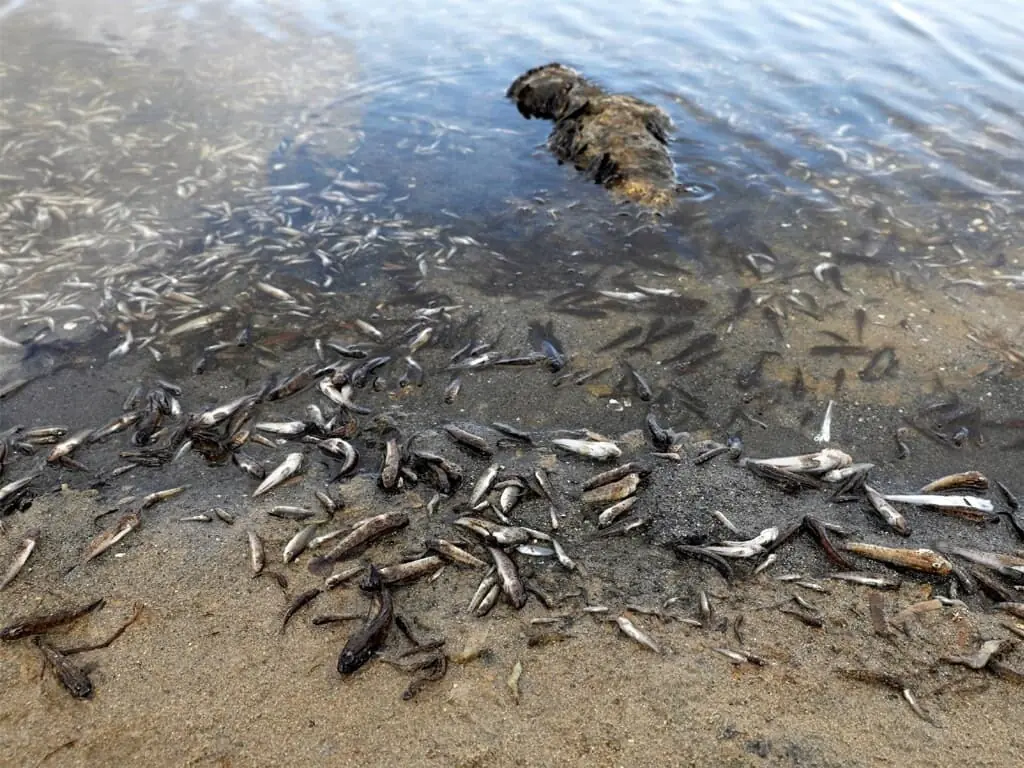
EDITORIAL: The findings from Cholistan University of Veterinary and Animal Sciences about microplastics in fish from southern Punjab’s rivers are deeply alarming and demand urgent public attention. The research led by Dr Qazi Adnan Ahmed highlights a growing environmental and public health issue that can no longer be ignored. The detection of microplastics in Rohu and Malli fish collected from Panjnad and Taunsa barrages is not merely a scientific observation; it is a warning about the invisible contamination of our food chain.
Microplastics, defined as synthetic polymer particles smaller than 5mm, originate from degraded plastic waste such as bottles, shopping bags, and industrial debris. Their presence in the stomach, gills, and even muscle tissues of fish is particularly concerning because it indicates not just external exposure but internal accumulation. It means that consumers are directly ingesting these microplastic particles. For communities in Bahawalpur, Rahim Yar Khan, and surrounding districts where fish is a common and affordable source of protein, this represents a significant health threat. The data from Taunsa Barrage is especially troubling. With water samples containing 0.202 plastic particles per square meter—higher than the 0.154 recorded at Panjnad—the area has effectively become a pollution hotspot. The study’s Pollution Risk Index categorising the contamination as “dangerous Level V” suggests a critical environmental threshold has been crossed. Such levels of contamination reflect systemic failures in waste management, unchecked industrial discharge, and increasing population pressure along riverbanks.
The Malli fish from Taunsa, containing an average of 13.67 microplastic particles, illustrates how pollution intensity correlates with biological contamination. Fish serve as bio-indicators of aquatic ecosystem’s health. When they are contaminated, it signals broader ecological damage to the entire riverine food web. Microplastics can also absorb toxic chemicals such as heavy metals and persistent organic pollutants, potentially amplifying their harmful effects when consumed by humans.
The present study underscores the urgent need for a coordinated action. The provincial Environment Protection Agency must strengthen monitoring of industrial effluents, ensuring compliance with environmental standards. Municipal authorities should improve solid waste management systems to prevent plastic leakage into waterways. Public awareness campaigns are equally essential to change consumption habits and promote responsible disposal practices. Furthermore, the fisheries department should expand research to assess contamination levels in more species and locations, enabling a comprehensive risk assessment.
Importantly, this issue extends beyond southern Punjab. Rivers being interconnected systems, plastic pollution travels across districts and provinces. Without upstream interventions, downstream communities will continue to suffer the consequences. The findings from Taunsa and Panjnad should serve as a wake-up call for policymakers at both provincial and national levels.
Copyright Business Recorder, 2026




















Comments
Comments are closed for this article.