


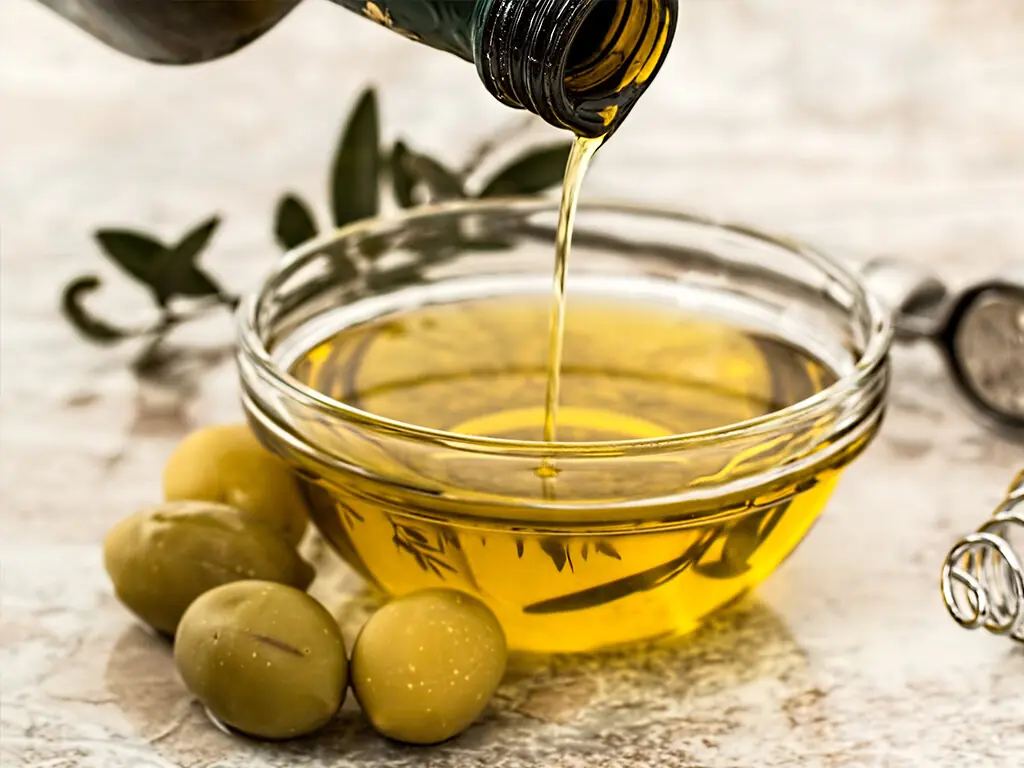

There are two kinds of oils; one is drilled and refined into petroleum products while the other is sown, cultivated, and refined into edible oil. Soyabean, canola, palm oil. Pakistanis cannot cook meals without at least using any one of these oils and that is why I refer to them as ‘Edible Oil Triad’. Pakistan imports about 90 percent of its edible oil needs and there are no substantial alternatives available.
Pakistan imports the majority of its oil needs, of both kinds, as local production, drilling and sowing merely meets a fraction of the total demand. In fact, collectively a heavy percentage of Pakistan’s export receipts and overseas remittances finance these oils. The sad story is that oil exploration is a tedious process, and, at the same time, there does not seem to be any critical urgency in going at full speed, while the farmers have this traditional attitude of not venturing into new crops.
Pakistan’s reliance on imports for edible oil and oilseed to meet domestic consumption has been increasing every year. Around 95 percent of domestic edible oil consumption for food purposes comes from imports. Within the edible oil and oilseeds category, palm and soybean imports form 90 percent of the total imports in value terms, and 87 percent in quantity terms. The import of these three edible oil and seeds in 2025 saw a significant increase reaching about 6.75 million tonnes, with the total food import bill hitting a record USD 8.14 billion during 2024–25 fiscal year.
Rasheed Janmuhammad, who is Pakistan’s leading trader of edible oil, especially palm oil, stated that per capita consumption is 18kg and total consumption around 4.50 million tonnes. The downside is that domestic production is merely 0.50 million tonnes. According to Pakistan Oilseed Department, local production of cotton seed, rapeseed, mustard, sunflower seed, and canola seed in 2024-25 was 2.5 million tonnes of oilseed and less than half a million tonnes of oil.
As Member of Board of Directors of Zarai Taraqiati Bank Ltd, I was part of the technical committee trying very hard to motivate farmers to at least grow soybean. The Committee, which included experts, proposed few pragmatic suggestions that would make local productions sustainable and profitable. It recommended that Pakistan Agricultural Research Council could facilitate Provincial soybean research institutes by providing suitable soybean germplasm, while Punjab Seed Corporation may provide Basic/Certified soybean seed on subsidized rate to the farmers. Punjab is ideal for soybean which can be grown in Barani areas, Central and Southern Punjab and the Riverine areas. Growers were assured that Solvent Oil Extractors Association (being major consumer) would be persuaded to procure all locally produced soybean. ZTBL would facilitate soybean growers with provision of inputs and even soybean machinery. Farmers were assured that there is a growing demand for soybean meal which is the by-product after extraction and which is an essential feed for poultry. Another downside. Pakistan grows not more than 10,000 tonnes of soybean. The mindset of farmers continue with whatever they are growing, what their fathers did, and what their grandfathers did.
Emily French who works out of Washington D.C. and is a much sought-after authority on edible oil calls the global market a Paradox of Abundance. She states that due to world geopolitics, a red alert has been sounded, and the global growth estimates are much lower than estimated. The world is shifting away from the US as much as possible, given current political landscape, while Chinese buying is only as much as necessary of soybeans, especially US origination.
She added that there is a global grain storage issue and this could be an opportunity for some importing countries to extract a good price, more so due to the looming US Dollar relationship vis-à-vis other currencies, which will be an important factor in the coming times. Argentina, Brazil and US exporters will not enjoy the expected outlook for world import demand growth.
Ms French mentioned that Brazil feeds the world and plays an increasingly critical role in food security that world importers, consumers and buyers are heavily reliant on. This gives Brazil the critical mass to export more, invest more, and extract premium prices. Pakistani farmers, at the least, should become enlightened and ensure reasonable food security for their 250 million compatriots so that the ever-rising import bill is positively addressed.
Pakistan imports palm oil primarily from Indonesia which has taken over from Malaysia as the principal exporter to Pakistan. Indonesia’s share is now 92 percent against just 8 percent from Malaysia. Recently, after four years, the first cargo of 66,000 tonnes of Canadian canola arrived in Pakistan. Tariq Ali Khan, the Canadian High Commissioner, and his team were at KPT to welcome the ship. Pakistan would be importing a huge quantity of Canadian canola in 2026.
Saudi Arabia aims to invest USD 2 billion in and expanding its activities and exposure in Pakistan’s agricultural sector with the objective to outsource agricultural production and possibly invest in corporate farming to bolster food security. Pakistan needs up to USD 6 billion investment from Saudi Arabia, the UAE, Qatar and Bahrain with the aim of cultivating 1.5 million acres of unfarmed land and mechanizing existing 50 million acres of agricultural lands. SIFC (Special Investment Facilitation Council) could invite these countries to invest in growing oilseeds, thus gradually reducing dependence on imports.
It is also imperative that Pakistani conglomerates look into massive investments in agriculture. The clock is ticking and demand for edible oil is zooming up. According to Shakil Ashfaq, leader of All Pakistan Solvent Extractors Association, the total edible oil imports in 2025 were 25 percent higher than the previous five-year average while share of edible oil from local crops remained very low at 11 percent.
There has been an increasing demand for soyabean oil and meal, and the projections are that even domestic consumers are using soybean oil for its healthy qualities. There are inherent benefits of soyabean oil, such as lowering cholesterol levels, nourishment for skin and nails, soothe irritated skins, high-heat cooking properties, and helpful during menopause, etc. Soybean oil is also used in many different applications in the food industry, including margarine, shortenings, dressings, and baked goods. It is also a key ingredient in poultry feed because it has the highest protein content among other oilseeds. It improves the quality of eggs and is used to balance dietary amino acid levels with cereal grains and their byproducts in poultry feeds. As I once remarked to an erstwhile US Ambassador: “Soybean is the King”.
Copyright Business Recorder, 2026
The writer is an industrialist


























Comments
Comments are closed for this article.