


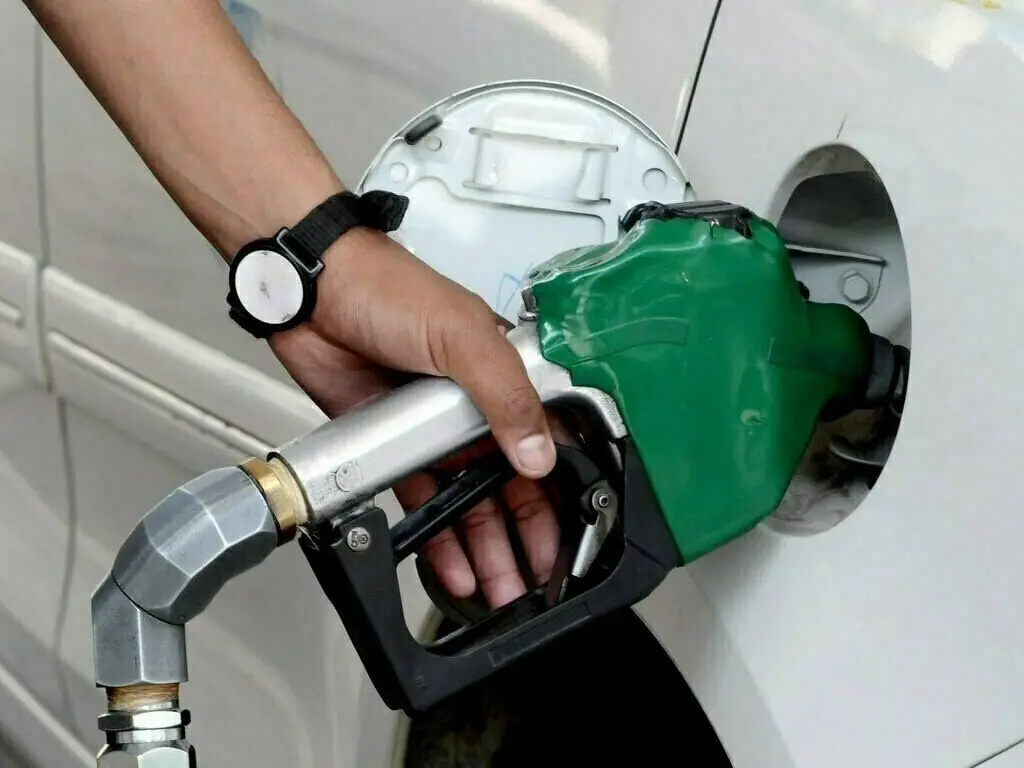

LAHORE: The Businessmen Panel (BMP) of the Federation of Pakistan Chambers of Commerce and Industry (FPCCI) has raised serious concerns over the sudden increase in petrol and diesel prices, questioning the timing of the decision.
BMP Chairman and former FPCCI president Mian Anjum Nisar said the fuel price hike appears premature, as no new oil imports have yet reached the country. He noted that since fuel rates are reviewed weekly, the government could have waited at least one more week before implementing such a steep increase, giving industries and consumers time to adjust.
“The decision to raise fuel prices by Rs 55 per litre while high-cost oil is still in transit puts an unnecessary burden on industries and ordinary citizens,” Anjum Nisar said. “It is difficult to understand why the government chose to pass on these costs now, when existing stock has yet to reach the market.”
Nisar warned that higher fuel costs could trigger a chain of economic challenges. The textile sector, one of Pakistan’s largest export earners, is particularly vulnerable, as rising energy prices directly erode competitiveness in global markets. Higher fuel costs are also likely to push up inflation, reduce consumer demand, and slow economic growth at a time when the country can least afford it.
The BMP has called for a phased approach to fuel price adjustments, accompanied by targeted subsidies for vulnerable sectors. “Policymakers must engage with the business community to find balanced solutions that protect consumers while ensuring the sustainability of production,” Nisar said.
Former chairman, North Zone, Pakistan Readymade Garments Manufacturers & Exporters Association (PRGMEA), Adeeb Iqbal Sheikh, has expressed grave concern over the government’s recent decision to raise fuel prices, warning that the move will have severe and far-reaching consequences for Pakistan’s export-oriented industries. He said the timing of the hike is particularly damaging, as it has effectively overshadowed and neutralised the energy relief package that the government had announced just days earlier with much fanfare.
“The government gave us relief with one hand and took it away with the other,” said Sheikh. “The energy package had raised the hopes of the industrial community, but the sudden and steep increase in fuel prices has wiped out whatever benefit was expected. The exporters are back to square one and in fact, the situation is now worse than before.”
Speaking to the Daily Business Recorder, Sheikh pointed out that fuel is a critical input cost across the entire export supply chain. The rise in petroleum prices directly pushes up transportation costs, which in turn increases the cost of raw material procurement, logistics, and finished goods delivery. For the garments and textile sector, which is the backbone of Pakistan’s export earnings, even a marginal increase in per-unit production cost can make Pakistani products less competitive against rival countries such as Bangladesh, India, Vietnam, and Cambodia.
He urged the government to provide direct fuel price relief to export-oriented industries and called for a coherent, long-term energy and fuel pricing policy aligned with the country’s export promotion agenda.
“If the government is serious about achieving its export targets, it must ensure the cost of doing business is reduced, not increased,” Sheikh concluded.
Copyright Business Recorder, 2026




















Comments
Comments are closed for this article.