


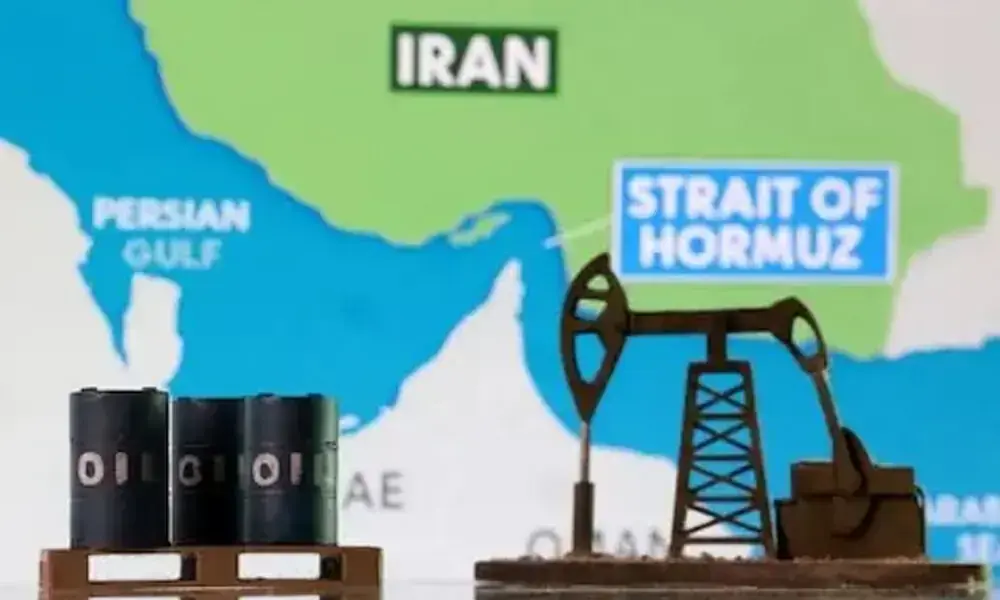
The energy crisis is brewing up fast. There are uncertainties about the continuation of the war and the closure of the Strait of Hormuz. Even if there is a ceasefire tomorrow, crude oil prices may tank immediately, but the overall energy supply chain and product prices (especially gas) may take time to normalize.
And if the war continues for a few weeks, be ready for a bigger economic crisis at home, which includes energy shortages and rising inflation.
The energy crisis is already visible. Pakistan gets the large majority of its crude oil, petroleum products, and RLNG from the Middle East, where the supply chain is completely disrupted. Qatar has stopped producing LNG. Kuwait Petroleum has closed its refineries, from where Pakistan gets most of its diesel. And other supplies are adversely affected too.
Refineries and oil marketing companies are trying to get crude and products from other routes, as our usual route through the Strait of Hormuz is closed. Getting supplies of Saudi crude through the Red Sea or UAE’s products from Fujairah, along with Cnergyico’s crude imports from the US or West Africa, may partially salvage the situation.
There might not be any shortages in the next couple of weeks, as the country has around three weeks of oil supplies, including commercial reserves of OMCs and crude reserves of refineries. Plus, other avenues may ensure some supply. However, in 3–4 weeks, without normalization of the Strait of Hormuz, there would surely be shortages of petrol and diesel along with 5–6 hours of load shedding (mainly in Punjab).
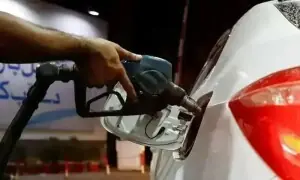
The other problem is pricing. Already, petrol and diesel prices are up by Rs55 per liter to the country’s highest-ever level. Today, the prices in dollar terms are the highest in the region — a stark difference from yesteryears when petroleum used to be the cheapest at home.
A 20 percent increase in prices will have a 1–1.5 percent direct impact on inflation, while its second round would be even more painful — as the majority of goods in Pakistan are transported through trucking fuelled by diesel. First, perishable food item prices increase, followed by almost every other item. Then, in two months, high fuel price surcharges will increase electricity prices. There might be slippages in the current account, resulting in a slight depreciation of the currency. Overall inflation may reach 11–12 percent before June 2026.
The crisis is real. The government needs to implement rationing policies and should absorb part of the price increase, as it is brutal to fully pass on the impact all at once. There are duties and taxes on the import of oil, and then there is a hefty levy (Rs105/liter on petrol and Rs55/liter on HSD). At today’s prices, including freight and other charges, expect another Rs20–30/liter increase next week at the same PL.
Then there is a shortage of gas, as no LNG is going to be imported. That may result in a few hours of load shedding and increase the reliance on furnace oil, where there is an absurdly high carbon levy. This will significantly increase the FCA on bills. The government must lower the levy on FO immediately.
The government should reduce levies on petroleum products for the time being and encourage reduced consumption. It should implement work-from-home or a four-day week along with expanded Eid holidays. However, the bigger problem is excess usage of diesel in transportation. Almost everything, including energy supplies, is transported on trucks. The use of railways is minimal and pipeline oil and gas transport is sub-optimal.
There is wastage of diesel in transporting petrol, diesel, and LPG. Some of these should be moved to pipelines. Some of this can be done immediately, while in other cases, upgrading some existing pipelines can reduce reliance on trucking.
The other element is to diversify the energy supply, as too much reliance on the Middle East is exposing us. India is getting a good chunk of its supply from Russia, but we are not. India has 75 days of strategic and commercial reserves while we have 20–25 days. Even if we cannot build reserves, we can get fuel from other areas — some of our refineries get light crude from the Middle East whereas they could get it at better pricing from Nigeria, but they don’t, as we cannot afford large shipments. We rely on expensive products from Kuwait, which charges a hefty premium, but do not diversify.
It is about time to learn from this crisis to avoid concentration of energy supply risk from the Middle East and to build relations with other African and American producers, build energy supply pipelines to lower the consumption of HSD, and work on building reserves. Anyhow, we only talk about these things in times of crisis.
The crisis management solution is to ration consumption and lower the levy, while the government should focus on real austerity. The point is that the flow of energy into the country cannot be controlled. Hence, whatever resources we have should be fully utilized.












Comments
Comments are closed for this article.