


Indian rupee set to rise after US court scraps Trump tariffs; new 15% duty tempers relief
- The 1-month non-deliverable forward indicated the rupee will open in the 90.78-90.82 range versus the US dollar, having settled at 90.9825 on Friday.
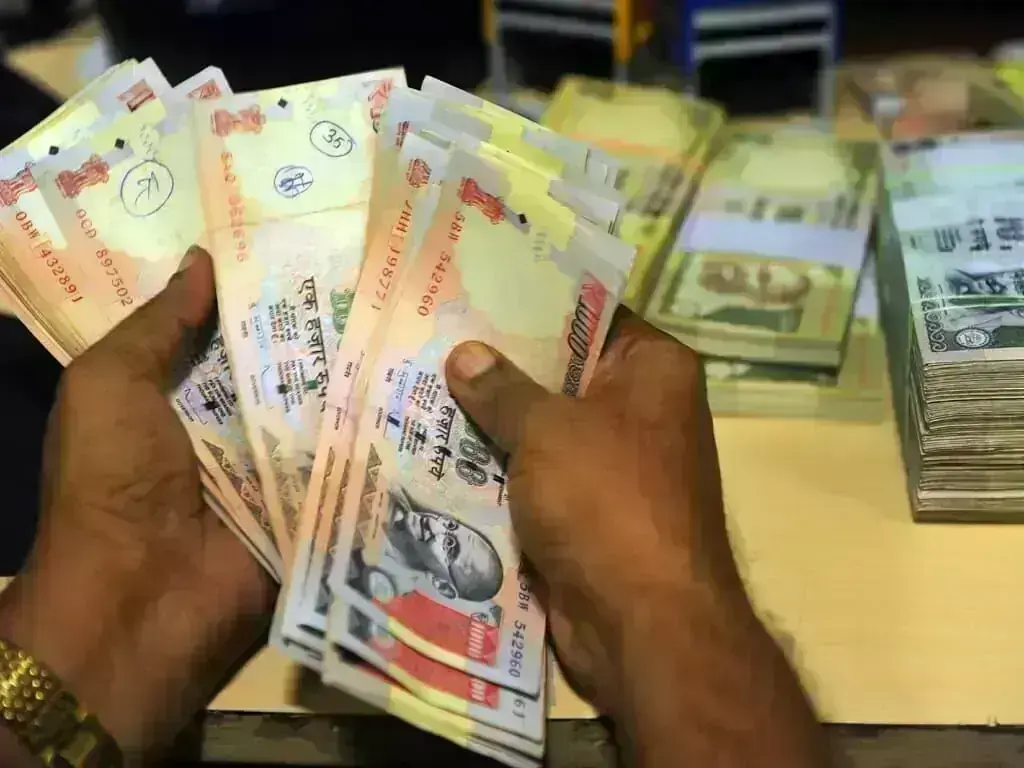
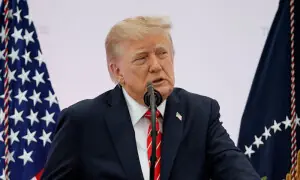
MUMBAI: The Indian rupee is set to open higher on Monday after the U.S. Supreme Court stuck down President Donald Trump’s emergency tariffs, though his subsequent 15% duty announcement is likely to limit follow-through.
The 1-month non-deliverable forward indicated the rupee will open in the 90.78-90.82 range versus the US dollar, having settled at 90.9825 on Friday.
Asian currencies and equities began the week firmer after the US Supreme Court’s ruling.
The optimism was tempered to an extent after Trump announced a new 10% levy on global imports, and later lifted it to 15%, reviving uncertainty around the trade outlook.
“The (Supreme Court) ruling dismantles the legal scaffolding, not the building itself,” ING Bank said.
No matter the ruling, tariffs “are here to stay”, the bank said.
The Supreme Court’s ruling offers immediate relief to countries facing steep duties imposed under the emergency powers provision that was struck down.
For India, that is significant. Exports that were earlier subject to 50% tariffs - and were set to decline to around 25% under a US-India trade deal - will now face the newly announced 15% levy.
While policy uncertainty persists, the effective tariff burden appears materially lower than previously feared, analysts said.
“India’s effective tariff rate in the U.S. is likely to be 11%-13%, which compares favourably with China (15%+), and is in-line with most Asian peers,” Madhavi Arora, lead economist at Emkay Global Financial Services, said.
India will likely reassess its U.S. trade deal, especially since the threat of punitive tariffs with respect to Russian oil purchases is no longer there, she said.
Meanwhile, a trade delegation scheduled to travel to Washington from New Delhi this week has been held back.









Comments
Comments are closed for this article.