


Oil heads for first weekly gain in three as US-Iran tensions rise
- Brent crude futures edged down 19 cents, or 0.3%, to $71.47
- US West Texas Intermediate crude declined by 13 cents, or 0.2%, to $66.30
LONDON: Oil prices hovered near six-month highs on Friday, headed for their first weekly gain in three on growing concerns a conflict may erupt after Washington said Tehran will suffer if it does not agree a deal on its nuclear activity in a matter of days.
Brent crude futures edged down 19 cents, or 0.3%, to $71.47, while US West Texas Intermediate crude declined by 13 cents, or 0.2%, to $66.30 as of 0900 GMT.
For the week, Brent was up 5.5% and WTI gained 5.4% so far.
“We’re waiting for a potential binary outcome, if we should take Trump’s words at face value,” said Ole Hansen, head of commodity strategy at Saxo Bank. “The market is nervous, it’s going to be a wait-and-see day.”
US President Donald Trump said on Thursday that “really bad things” would happen if Iran does not come to an agreement to curtail its nuclear programme. Trump set a deadline of 10 to 15 days.
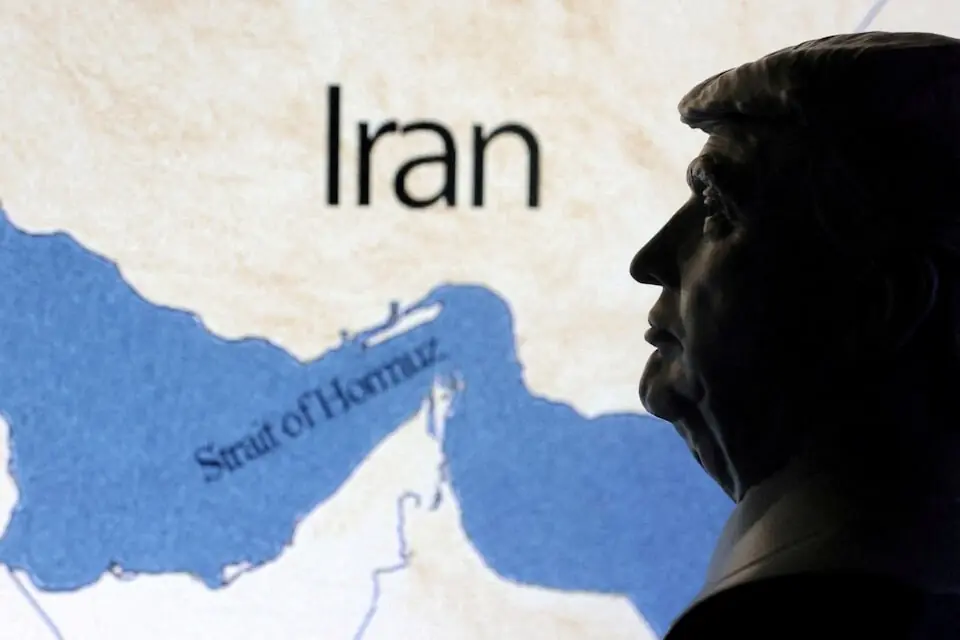
Iran, meanwhile, has planned a joint naval exercise with Russia, a local news agency reported, days after temporarily closing the Strait of Hormuz for military drills.
The major oil producer lies opposite the oil-rich Arabian Peninsula across the Strait of Hormuz, through which about 20% of global oil supply passes. Conflict in the area could limit oil supplies entering the global market and push up prices.
“Market focus has clearly shifted to escalating Middle East tensions after the failure of multiple rounds of U.S.-Iran nuclear talks, even as investors debate whether any actual disruption will materialise,” said Priyanka Sachdeva, senior market analyst at Phillip Nova.
Traders and investors ramped up purchases of call options on Brent crude in recent days, betting on higher prices, according to Saxo Bank analysis.
Also supporting oil prices were reports of falling crude oil stocks and limited exports in the world’s biggest oil producing and exporting countries.
US crude inventories dropped by 9 million barrels, as refining utilisation and exports climbed, an Energy Information Administration report showed on Thursday.
Worries about how interest rates in the US- the world’s largest oil consumer - could pan out, limited oil price gains.
“Recent Fed minutes pointing to steady rates or even the risk of further hikes if inflation stays sticky could cap demand,” said Phillip Nova’s Sachdeva.
Low interest rates are typically seen as supportive for crude prices.
Markets were also mulling the impact of ample supply on prices, with talks of OPEC+ leaning towards a resumption in oil output increases from April.
The oil surplus that was evident in the second half of 2025 continued in January and “is likely to persist”, JP Morgan analysts Natasha Kaneva and Lyuba Savinova said in a client note.
“Our balances continue to project sizable surpluses later this year,” they said, adding that meant output cuts of 2 million barrels per day would be needed to prevent excess inventory builds in 2027.



















Comments
Comments are closed for this article.