


25pc US tariff threat: Govt adopts cautious approach to trade with Iran
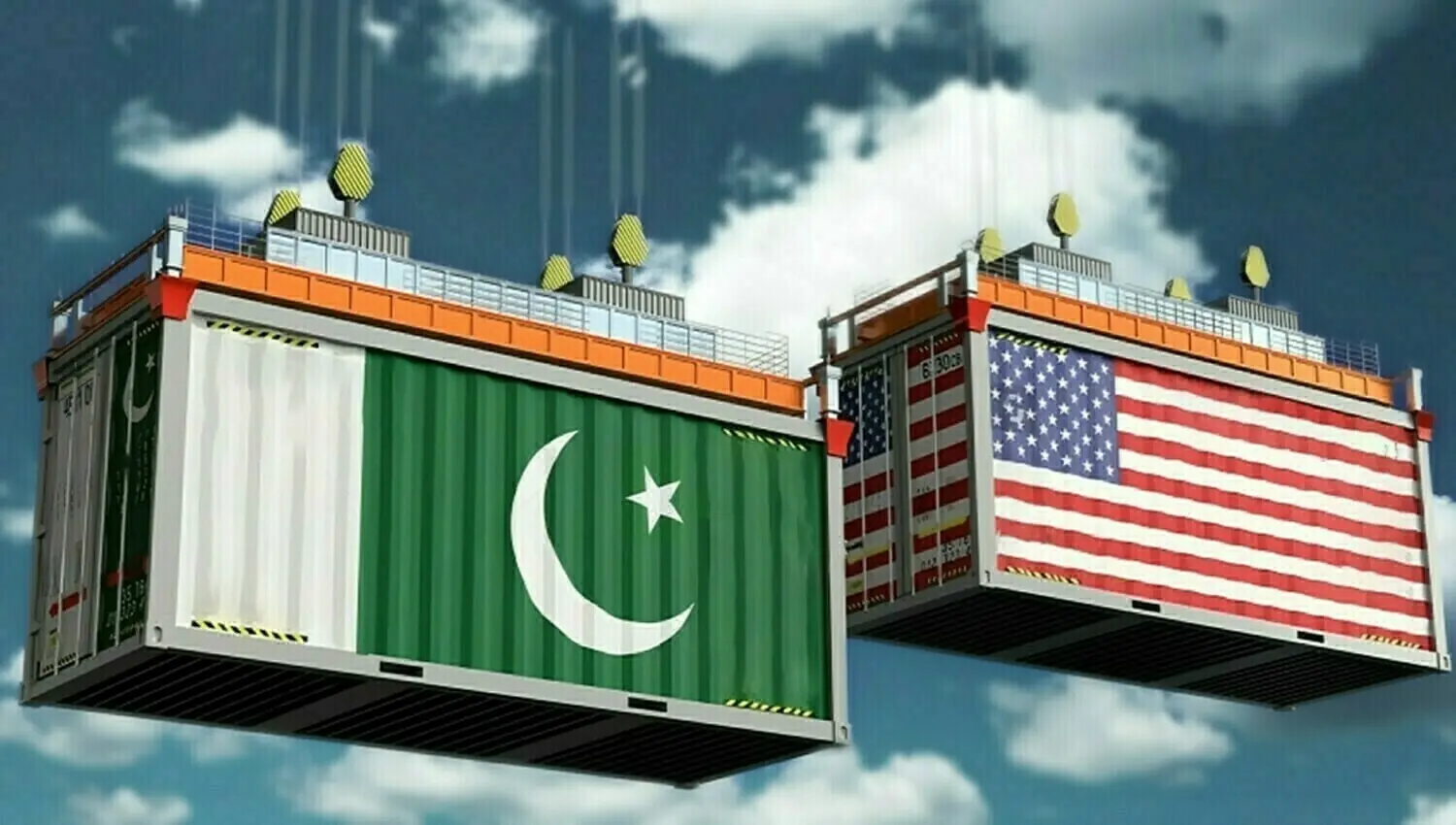

ISLAMABAD: The government has reportedly decided to adopt a cautious approach toward trade with Iran following the United States’ announcement of a potential 25 percent tariff on countries doing business with Tehran, well-informed sources told Business Recorder.
In this connection, the Commerce Ministry held an inter-ministerial meeting with relevant stakeholders on February 10, to formulate a coordinated strategy to address the emerging situation.
In its communication with line ministries and divisions, the Commerce Ministry referred to a letter from the Ministry of Foreign Affairs (MoFA) dated January 13, 2026 regarding the US President’s Executive Order dated February 6, 2026, stating:
“Beginning on the effective date of this order, an additional ad valorem rate of duty—for example, 25 percent—may be imposed on goods imported into the United States that are products of any country that directly or indirectly purchases, imports, or otherwise acquires any Iranian product.”
Pakistan’s bilateral trade with Iran remains limited, largely due to longstanding US sanctions. Most trade is conducted through barter arrangements or informal channels as formal trade remains negligible owing to the absence of banking channels. Iranian transport services, however, are used for exports to the Central Asian States (CIS).
READ MORE: US cuts Pakistan tariff to 19% from 29% after trade deal
The United States remains Pakistan’s largest single-country export destination, accounting for 18 percent of total exports—or approximately $5.8 billion—during FY2024-25, according to FBR data.
Textiles and garments constitute about 82 percent of Pakistan’s exports to the US market. This heavy dependence underscores Pakistan’s vulnerability to shifts in US trade policy and highlights the strategic importance of maintaining uninterrupted access to the American market.
Beyond goods, the US is also Pakistan’s largest market for IT and IT-enabled services (IT/ITeS), with exports of approximately USD2.2 billion in FY2024-25—representing 58 percent of Pakistan’s total IT/ITeS exports of USD3.8 billion. Pakistani exporters are also actively selling through Amazon and other online e-commerce platforms.
The Commerce Ministry further noted that the US administration imposed a 19 percent reciprocal tariff on Pakistan on July 31, 2025. Despite this measure, Pakistan’s exports to the US have remained stable and are showing an increasing trend.
However, officials cautioned that any additional tariff burden could significantly undermine Pakistan’s export competitiveness. It could also provide an advantage to competing countries such as India, Cambodia, Vietnam, Bangladesh, and Indonesia.
During the February 10 meeting, stakeholders discussed the potential impact of the proposed 25 percent tariff on countries engaging in trade with Iran. Participants emphasized the need for a careful and calibrated policy response to safeguard Pakistan’s export interests while managing regional trade considerations.
Sources indicated that given Pakistan’s heavy reliance on the US market—particularly in textiles and IT services—the government is inclined to proceed cautiously in its dealings with Tehran to avoid jeopardising access to its largest export destination.
Copyright Business Recorder, 2026


























Comments
Comments are closed for this article.