


Housing sector: Expert for efficient execution of fire safety reforms
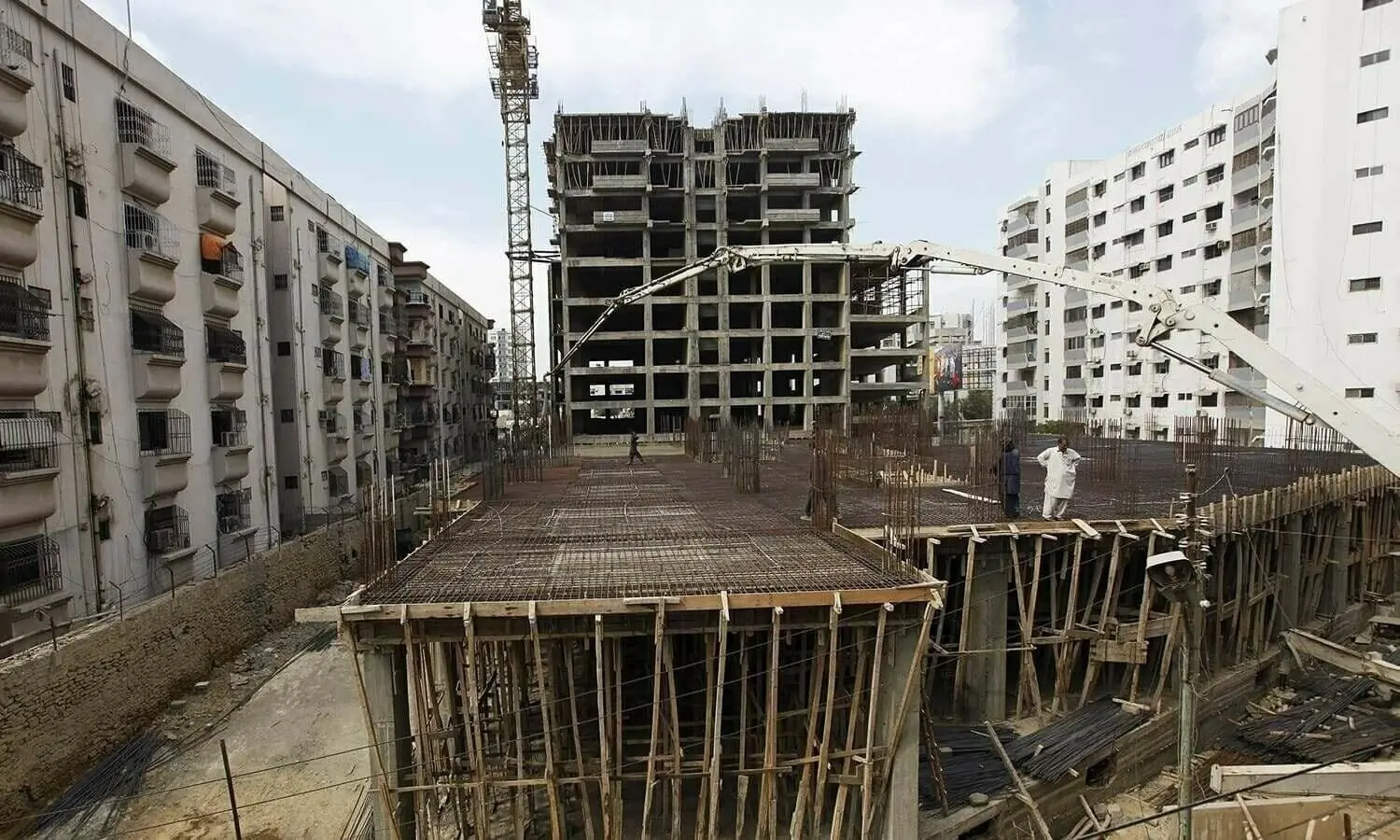

KARACHI: Saad Abdul Wahab, fire and life safety expert and CEO of Grow Safe (Private) Limited, has emphasized on a balanced and rational approach for efficient and sustainable execution of fire safety reforms in the housing sector.
In a statement, the fire expert cited that in the aftermath of the tragic Gul Plaza fire, the Sindh Building Control Authority has issued a strict three-day ultimatum to owners of commercial buildings in Karachi, including those represented by the Association of Builders and Developers, directing them to install fire safety systems or face sealing of their premises.
The intent behind this directive is commendable, as it underscores the urgency of preventing human or material loss in future. However, such a sweeping warning raises critical legal, technical, and practical concerns that must be addressed if fire true implementation of fire safety reforms in the country.
He mentioned that from a regulatory point of view, the established international practice requires authorities to issue improvement notices prior to imposing prohibition or sealing orders, unless an immediate and imminent danger exists.
Improvement notices allow deficiencies to be rectified within realistic timelines, ensuring compliance through due process rather than coercion. Issuing blanket ultimatums without accounting for feasibility, technical complexity, or existing building conditions risks undermining both safety objectives and regulatory credibility.
He said that International fire safety frameworks distinguish clearly between correction and corrective action. Corrections address visible deficiencies, such as missing extinguishers or alarms but are inherently temporary and unsustainable.
Whereas, the corrective actions, by contrast, require systematic risk assessments, identification of root causes, evaluation of occupancy hazards, and implementation of suitable and sufficient control measures based on foreseeable risks. Fire safety cannot be meaningfully improved through cosmetic fixes alone.
The CEO of Grow Safe said that before issuing such time-bound directives, several fundamental questions demand clear answers.
He questioned that whether SBCA has categorized buildings based on occupancy type and usage. Have comprehensive fire and structural risk assessments been conducted? Which legal or technical standard is being enforced—the Building Code of Pakistan (Fire Safety Provisions 2016), the Civil Defence Act 1952, the Sindh Occupational Safety and Health Act 2017, or internationally recognized standards such as NFPA 1, NFPA 101, or NFPA 5000?
Equally important are concerns regarding structural integrity. Have existing buildings undergone due-diligence checks, including core-cutting tests, to verify load-bearing capacity? Are they structurally capable of supporting additional fire-fighting infrastructure such as heavy piping systems and water reservoirs? Does SBCA possess verified data on existing and planned superimposed loads for these buildings?
He stated that fire safety extends beyond alarms and extinguishers. It encompasses safe electrical systems, adequate fire water supplies, lightning protection, emergency exits, evacuation routes, passive fire protection measures, and protection against external ignition sources such as transformers, overhead cables, and flammable advertising materials.
The absence of a unified, technically robust inspection checklist covering structural, electrical, chemical, and fire hazards further weakens enforcement efforts.
Moreover, regulatory effectiveness depends on institutional competence and integrity. Are SBCA inspectors and fire risk assessors professionally qualified and adequately trained to evaluate complex fire and life safety risks? Has the authority addressed internal accountability issues where non-compliant buildings have historically received approvals, stability certificates, or completion certificates without meeting safety requirements? The international best practices emphasize the importance of SMART objectives.
He suggested that for new developments, the authority must also strengthen requirements for passive fire protection, an area intrinsically linked to building design and construction materials. Without integrating fire safety at the design stage, enforcement at later stages becomes both costly and ineffective.
Fire safety is a science, not a slogan. It cannot be managed unless it is properly measured. Ultimatums issued without a coherent plan, technical groundwork, or expert engagement is unlikely to deliver meaningful results.
Sustainable fire safety in Karachi demands informed regulation, professional competence, institutional accountability, and a structured roadmap, not reactive measures driven by public pressure, the fire safety expert asserted.
Copyright Business Recorder, 2026




















Comments
Comments are closed for this article.