


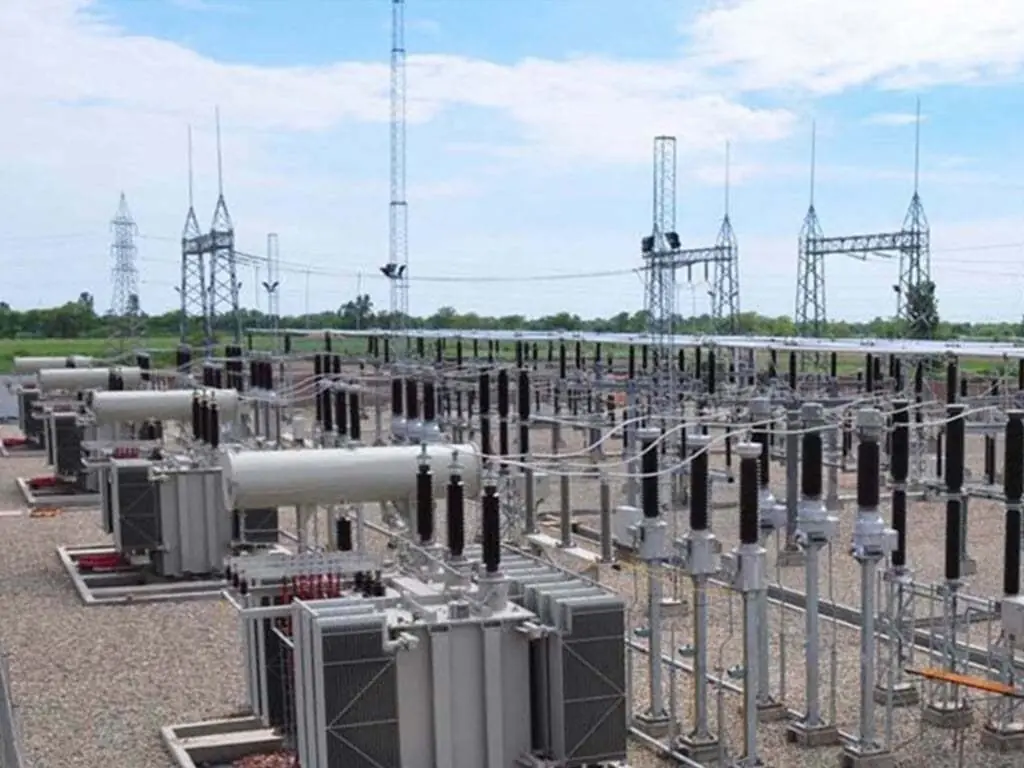

KARACHI: Mian Zahid Hussain, President Pakistan Businessmen and Intellectuals Forum & All Karachi Industrial Alliance, Chairman National Business Group Pakistan and Chairman Policy Advisory Board FPCCI, has urged the Power Division to restructure the tariff regime by separating “industrial cost of service” from “social subsidies.”
He proposed that the burden of subsidizing lifeline consumers should be borne by the Federal Budget or the Benazir Income Support Programme (BISP), rather than being loaded onto the energy bills of the productive sector.
He emphasized that the ‘Blue Passports’ announced for top exporters are a badge of honour, but the true reward for the sector would be a ‘Fair Energy Tariff’ that reflects the actual cost of generation and transmission, devoid of inefficiencies. Mian Zahid Hussain concluded that the business community stands with the Prime Minister in his efforts to pivot from stabilization to growth.
He expressed hope that this relief package is the first step toward a comprehensive ‘Industrial Energy Policy’ that permanently outlaws the practice of cross-subsidizing other sectors at the expense of national exports.
He termed Prime Minister Shehbaz Sharif’s industrial relief package a ‘bold and necessary intervention’ that has saved the export sector from immediate collapse.
Speaking to the business community, he welcomed the government’s decision to slash the Export Refinance Scheme (ERS) rate from 7.5 percent to 4.5 percent and the reduction of industrial electricity tariffs by Rs4.04 per unit.
He stated that these measures will inject much-needed liquidity into the SME sector and allow exporters to book orders that were previously unviable.
However, the veteran business leader warned that while this package acts as effective first-aid, the ‘cancer’“ eating away at Pakistan’s industrial competitiveness remains the Rs7 per unit cross-subsidy embedded in electricity bills.
Mian Zahid Hussain defined this cross-subsidy as a ‘hidden tax’ on exports, where efficient manufacturing units are forced to pay significantly higher rates to subsidize the theft, line losses, and under-recoveries of other sectors.
He argued that forcing the export industry to fund the government’s social welfare obligations is an economic anomaly that does not exist in rival economies like Vietnam, Bangladesh, or India.
Mian Zahid Hussain pointed out that even after the Rs4.04 relief, the effective industrial tariff hovers around 11.5 cents per unit, whereas regional competitors are operating between 7 and 9 cents. He highlighted that with India recently concluding a Free Trade Agreement (FTA) with the European Union, the ‘margin for error’ for Pakistani exporters has vanished. If Pakistan’s energy costs remain 20-30 percent higher than its neighbours due to this cross-subsidy, no amount of concessional financing can bridge the gap in the long run.
Copyright Business Recorder, 2026
















Comments
Comments are closed for this article.