


100pc screening of passengers made mandatory: Advisory issued amid Nipah virus outbreak in India
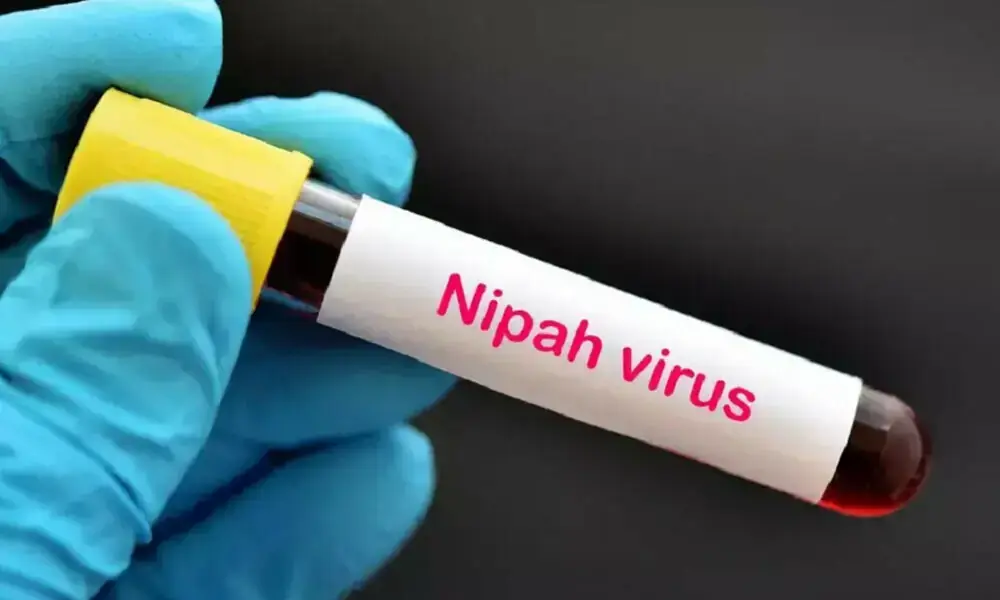

ISLAMABAD: Following the spread of the Nipah Virus in India, the federal government has issued an advisory, directing all relevant departments to implement strict screening at airports, seaports, and land borders.
According to officials of the Ministry of National Health Services and Regulations, the advisory has made 100 percent screening of passengers coming to Pakistan and transiting mandatory.
The Ministry of Health Services has directed that the complete travel history of the passengers for the last 21 days should be verified. Special surveillance should be done on passengers coming from Nipah-affected or high-risk areas.
The advisory states that thermal screening and a medical examination will be mandatory for all passengers. The affected person should be immediately isolated if there are any suspected symptoms of Nipah. No passenger will be allowed to enter Pakistan without clearance. The advisory states that all provinces should designate hospitals or ID units for potential Nipah patients. The advisory directs rapid response teams and emergency operations centres to be on watch mode.
According to officials, in the Indian state of West Bengal, over five cases of Nipah virus have been reported, but no confirmed case of Nipah has been reported in Pakistan so far.
Officials said that there is no approved vaccine or specific treatment available against Nipah virus. Timely surveillance and preparedness are essential to prevent Nipah virus. “The ministry remains vigilant against the risk of cross-border transmission following sporadic infections in several other countries,” the officials added.
The World Health Organization (WHO), which estimates Nipah’s fatality rate at 40 percent to 75 percent, ranks it as a priority pathogen for its potential to trigger an epidemic. There is no vaccine to prevent infection and no treatment to cure it.
Meanwhile, Federal Minister for National Health Services and Regulations Mustafa Kamal on Wednesday highlighting the rapid population growth in Pakistan has said that that uncontrolled population growth is a major hurdle to national development and stressed the need to manage population growth in accordance with available resources. He shared that approximately 6.1 million children are born in the country every year.
Addressing a ceremony here, Mustafa Kamal while appreciating the Sultana Foundation’s services in health and education sector said it was rendering valuable services in the fields of education and health for a long time.
He emphasized that nursing plays a vital role in the healthcare sector, as doctors interact with patients for a limited period, whereas nurses and paramedical staff remain engaged in patient care for nearly 23 hours a day.
He urged healthcare staff to treat patients with compassion and kindness, highlighting that hospitals are places where people turn in times of severe pain and distress. He remarked that serving suffering humanity is among the noblest acts, and the reward for good deeds continues even after death.
Mustafa Kamal stressed that collective efforts are required to bring meaningful improvements in the health sector, adding that alongside the government, the private sector is also playing an important role in healthcare delivery.
He explained that healthcare is not only about treating illness but also about preventing people from falling sick. Drawing attention to public health challenges, he noted that the country lacks a comprehensive sewage treatment system and cited experts who state that nearly 70 percent of diseases spread through contaminated water. He said that providing clean drinking water could reduce diseases by up to 70 percent.
Emphasizing preventive healthcare, Mustafa Kamal urged parents to ensure vaccination of their children against thirteen diseases, stating that the government is providing free vaccines to protect children. He said that misconceptions and concerns related to vaccination must be addressed through awareness and education.
Referring to polio eradication, he stated that Pakistan is among the two countries in the world where polio has not yet been eliminated. He emphasized the need to educate and convince people to ensure their children are vaccinated and protected against polio. He concluded by saying that improving the health sector is a shared responsibility of both the government and the public, and that concerted efforts are essential to safeguard communities from preventable diseases.
Copyright Business Recorder, 2026


























Comments
Comments are closed for this article.