


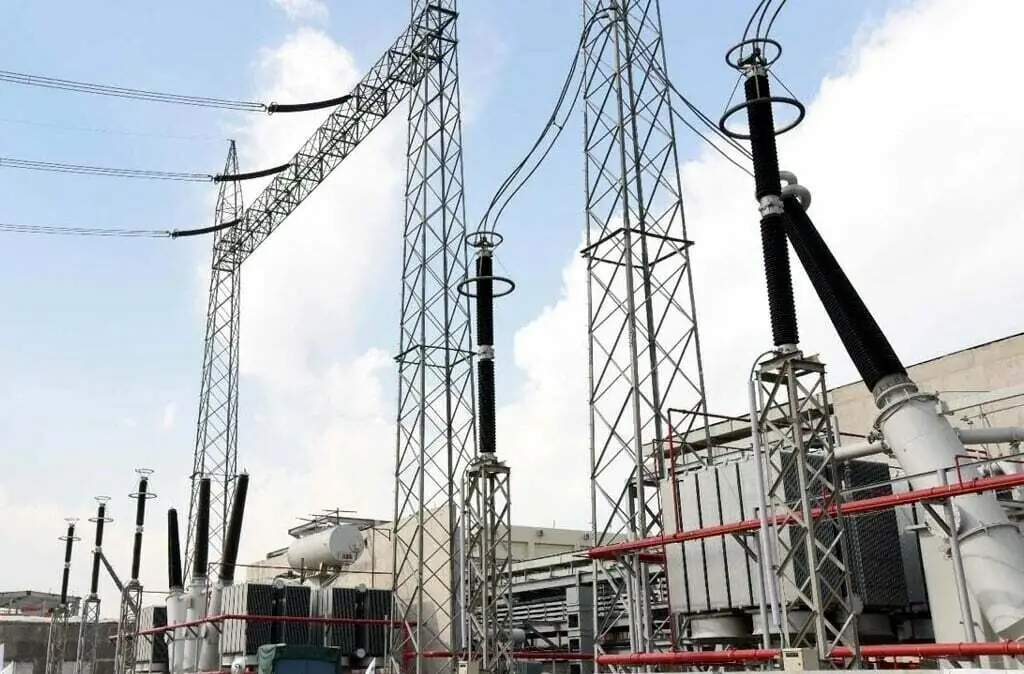
EDITORIAL: National Electric Power Regulatory Authority (Nepra) has released a damning report on the performance of the power sector in spite of several structural and policy level interventions that included renegotiating the Independent Power Producers (IPPs) contracts signed by previous administrations (though the 2014 contracts signed under the China Pakistan Economic Corridor remain effective to this day) that inordinately favoured the producers with the take-or-pay option envisaging capacity payments which, in turn, escalated as and when solar panels were encouraged as part of the government’s efforts to shift towards renewables as part of reforms to withstand the climate change impacts.
In addition, Nepra noted that distribution companies continued to suffer from poor governance with transmission and distribution losses exceeding allowable limits, low bill recovery and load-shedding based on Aggregate Technical and Commercial losses. Reference was also made to Debt Service Surcharge sourced to poor governance of the power sub-sectors that accounts for higher utility tariffs with industry lamenting the fact that cross subsidies have made the cost of energy as an input into their production process much higher than the regional average, which is the reason behind the decline in exports. Circular debt, the report further noted, has risen.
The report undermines Prime Minister Shehbaz Sharif’s repeated appreciation of the power sector team that perhaps prompted the Federal Minister for Power Awais Leghari to publicly reject the report maintaining that it is “based on incomplete and inaccurate data which has led to widespread misunderstandings…circular debt has not increased, instead for the first time a significant reduction is recorded…it (circular debt) declined from 2.4 trillion rupees to 1.6 trillion rupees.” The government, he said, is embarked on a six-year programme to completely eliminate circular debt which includes cancellation of 8,000MW costly projects that saved the country USD 17 billion (a saving that is not realised because the project never got off the ground) and to exclude commercial losses-based load-shedding was incorrect.
It has been widely reported that the government has taken 1.25 trillion rupee loans from the commercial banking sector at rates below the amount parked in the Holding Company, given the decline in the discount rate from 22 percent in 2022 to 10.5 percent today. Borrowing at lower rates to retire previous loans incurred at higher rates is welcome though ignored is the fact that borrowing that reflects poor performance and is to be payable by the hapless consumers is hardly likely to provide a comfort level to the general public.
READ MORE: Weak DISCO performance added Rs397bn to circular debt in FY25: NEPRA report
The Power Minister lamented the fact that Nepra did not take into account the data provided by his Ministry — a claim that is baffling given that regulatory authorities, like Nepra and Ogra (Oil and Gas Regulatory Authority), are set up to protect the consumers and not to synchronise their data with that released by the political government. Additionally, regulatory bodies safeguard public welfare and ensure quality product service while preventing fraud and anti-competitive practices.
Regulatory authorities provide crucial benefits by safeguarding public welfare through consumer protection, ensuring product/service quality, promoting fair competition, preventing fraud/anti-competitive practices, and establishing clear frameworks for industries, leading to greater trust, market efficiency, innovation, and economic stability. It is therefore very concerning from a consumer perspective that the government has reportedly finalised amendments to the Nepra Act 1997 aimed at making Nepra subordinate to the Power Division — a report that has not been denied by the government to-date.
To conclude, regulatory bodies like Nepra perform a very critical function and must be allowed to continue to protect consumer interests. The incumbent government’s muzzling of several entities tasked to provide a service to the general public through legislation must be abandoned in favour of a more open and participatory discharge of functions that can lay the foundation of a system capable of evolving into one where borrowing would no longer be required.
Copyright Business Recorder, 2026




















Comments
Comments are closed for this article.