


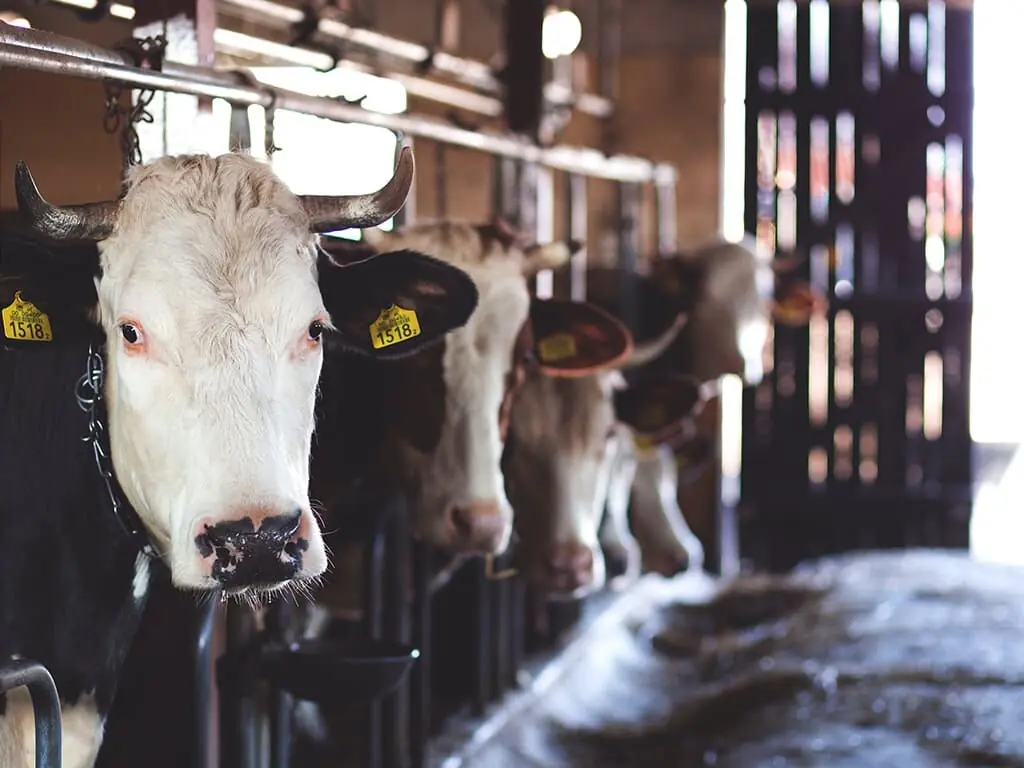

Pakistan’s livestock sector stands at a critical economic and social junction. As of 2025, the sub-sector has reiterated itself as the single most dynamic component of agriculture, contributing an estimated 63.6 percent to agricultural value added and nearly 15 percent to national GDP, according to government statistics from the Economic Survey of Pakistan 2024–25.
Livestock growth outpaced many crops sub-sectors, expanding by 4.72 percent in fiscal year 2025 even as overall agricultural output grew only 0.56 percent, underscoring its resilience and potential as a driver of rural incomes and national food security.
Beyond numbers, livestock underpins rural livelihoods in a way few other sectors do. Millions of smallholders and landless families depend on cattle, buffaloes, goats, sheep and poultry for daily income, nutrition, and as fallback assets during lean seasons. Agriculture employs more than 37 percent of Pakistan’s workforce, with livestock accounting for most of that labor absorption.
Yet, despite its structural importance, the sector remains mired in low productivity, weak market linkages, vulnerable disease management and limited access to formal finance conditions that keep rural producers trapped in low-return cycles. This is where information and communication technologies (ICTs) present a revolutionary opportunity. Despite altering conventional agricultural practices, ICTs can amplify smallholders’ ability to make early, data-driven decisions, diversify access to services, and open formal agribusiness value chains that have long avoided smallholders.
Mainly, agriculture in Pakistan and livestock has been attributed by information asymmetry. Small producers often lacked reliable access to market dynamics, contemporary husbandry practices, veterinary guidance, and finance history. Without timely evidence, farmers were resigned to selling livestock at low prices, managing disease reactively rather than proactively, and financing production through informal and expensive financing. Recently, mobile connectivity and internet access are changing that narrative. Telecom statistics show that more than 200 million mobile subscriptions and over 150 million broadband connections now exist in the country, enabling widespread diffusion of digital services even into rural areas previously off the digital grid.
The main domain of impact is animal health. Infectious diseases such as foot-and-mouth disease or emerging illnesses as lumpy skin diseases,
which may devastate herds and hurt incomes. Basically, diagnosis and treatment are affected due to long distances to veterinary hospitals and unpredictable communication. Mobile-based veterinary advisory services, sometimes facilitated by government extension workers, permit livestock farmers to relay images, translate symptoms and receive professional guidance quickly. In addition, SMS-based early warning systems can notify communities of local disease outbreaks, prompting preemptive action that limits spread. This transformation from reactive to preemptive livestock health management is especially vital in a country where animal health infrastructure remains thin and veterinary resources are concentrated in urban localities.
Digital technology also improves productivity through better record-keeping. Small dairy producers, for instance, often keep milk and breeding records casually if at all losing opportunities to optimize feeding systems, select for higher yield animals, or align reproduction schedules for peak productivity. Simple smartphone applications that log daily milk revenues, weight changes, vaccination schedules and reproductive cycles offer producers with a dashboard of performance metrics. Over time, these digital records not only improve herd management but also develop noticeable data streams that may strengthen credit scoring and insurance products customized to livestock cycles.
The most visible impact of ICTs in the livestock economy is on market access and market dynamics. In the absence of real-time market information, livestock farmers conventionally depended on stringers and actors who controlled access to information and influenced farmgate prices. Digital platforms now push daily price feeds to smart phones, enabling farmers to compare livestock and milk prices across local and regional markets before deciding when and where to sell. Some digital marketplaces now connect buyers and sellers directly, reducing layers of intermediation and assisting farmers to capture a higher share of value. This is especially relevant for high-value products like superior dairy, breeding stock, and processed meat products that may command profoundly better prices when sold through organized market channels.
Finance has always been a sticking point for livestock keepers. Conventional banks have largely ignored small producers due to lack of guarantee and formal finance histories. Branchless banking and mobile wallet services are starting to fill this gap by permitting farmers to make and receive digital payments safely and form transaction histories. ICT-enabled finance record, which employs digital payment patterns and production records, is initiating to unlock tailored microcredit products that match livestock production cycles rather than rigid crop calendars. Such financial inclusion is an essential source of investment in better breeds, food, housing and health services.
Another borderline where ICTs are controlled to make a strategic difference is food safety and export competitiveness through traceability. Global markets increasingly demand verifiable histories of animal origin, health status and movement. Digital tagging systems, whether based on QR codes, RFID tags or smartphone-readable chips may log into each animal’s unique history from birth through production, enabling value chains that meet international sanitary and phytosanitary standards. This type of traceability not only opens doors to export markets but also establishes consumer trust in domestic markets where quality concerns often reduce prices.
Pakistan is not without experience in digital agriculture innovations. Programmes such as mobile advisory services and provincial digital platforms for agricultural information have laid groundwork that livestock-focused solutions can affect. Research from Punjab depicts that the adoption of ICTs among dairy farmers has enhanced awareness and use of suggested practices, even as challenges remain in translating information into productivity gains on a broader scale.
However, challenges remain intact. First, among these is digital literacy and equitable access. While connectivity has expanded, smartphone ownership and digital fluency are still uneven, especially among women, a group that plays a pivotal role in regular livestock care but often has lower access to ICTs. Linking this gap requires intentionally designed interfaces, native language content, voice-based services, and community-based facilitators who assist producers adopt digital tools.
Infrastructure limitations also matter. Even though broad coverage, rural internet speeds and reliability may hamper the effectiveness of sophisticated ICT tools. Investments in rural connectivity and renewable electricity sources will enhance the feasibility of digital services at the village level. At the same time, many digital interventions are broken or pilot-oriented, lacking interoperability and measures that would permit them to scale into national systems. Without common data protocols and secure livestock smallholders’ identifiers, valuable information remains trapped in isolated grain storage.
Effective data monitoring is another major concern. Livestock producers, mainly smallholders, require guarantees that their data will be employed fairly, that privacy has prevailed, and that digital platforms will not manipulate them. Transparent regulatory frameworks around data ownership and benefit sharing are crucial to building trust and sustainable diffusion.
Notwithstanding these blocks, the path for adoption of digital technology in livestock is increasingly positive. Public and private actors alike are realizing that technology must be part of any serious strategy to raise competitiveness and improve rural incomes. When digital tools are designed for local experiences, integrated with market and health systems, and supported by general policies, they have the potential to boost productivity and income on scale.
Pakistan’s livestock sector is far more than a social safety net; it is an engine of economic resilience. With Digital Technologies, that engine can be turbocharged, enabling small-scale producers to compete, innovate and tap into regional and global opportunities that have remained out of reach for periods. The task now is to move from remote pilots to national-scale systems that deliver consistent, measurable impact for the millions of rural households who depend on livestock for their livelihoods.
Copyright Business Recorder, 2026
The writer is affiliated with the School of Management, Jiangsu University, P.R. China, and the Department of Agribusiness and Entrepreneurship Development, MNS-University of Agriculture, Multan, Pakistan. Connect with him on LinkedIn: linkedin.com/in/mananaslam
Muhammad Saad is affiliated with Government College University, Faisalabad, Department of Computer Science, Faisalabad, Pakistan and Manan Aslam is affiliated with the School of Management, Jiangsu University, Zhenjiang, Jiangsu P.R. China, and the Department of Agribusiness and Entrepreneurship Development, MNS-University of Agriculture, Multan, Pakistan




















Comments
Comments are closed for this article.